
Duracell — overview, products, history and uses
Duracell is a major consumer battery brand best known for copper-top alkaline cells in common sizes. This article covers its products, history, ownership, applications and environmental considerations.
Duracell is a well-known brand of consumer batteries and power solutions. Recognized by its copper-colored top on many cells, the name is commonly associated with household alkaline batteries used in everyday devices. For official product details and specifications see Duracell product information.
Image gallery
6 Images


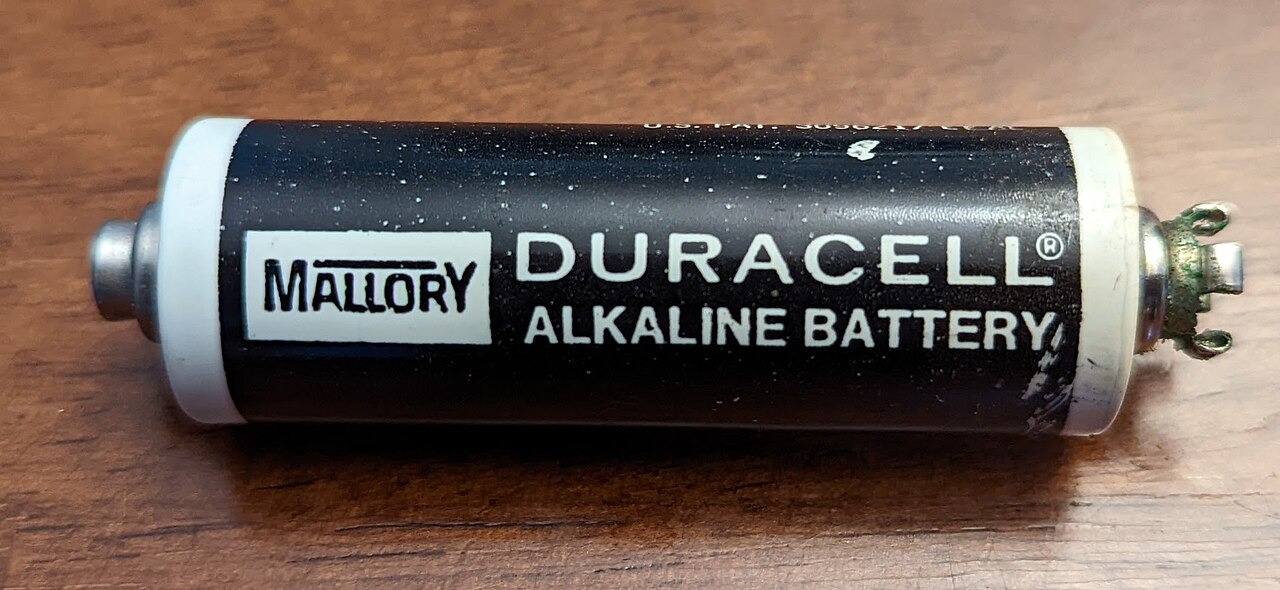


Products and characteristics
Duracell produces a range of primary and rechargeable cells engineered for portable electronics. Its most familiar offerings are alkaline batteries with relatively long shelf life and steady voltage under typical load. The brand also markets rechargeable NiMH cells, specialty coin and button cells for watches and calculators, and lithium batteries for high-drain devices.
- Common sizes: AA, AAA, C, D, 9V
- Formats: alkaline, lithium, rechargeable (NiMH), specialty button cells
- Traits: reliable discharge profile, long storage life, broad retail availability
History and ownership
Duracell grew into a leading battery brand during the 20th century and was long associated with major consumer goods companies. It was owned by Procter & Gamble for many years before a corporate reorganization in the 2010s placed it under the ownership of Berkshire Hathaway. The change in ownership reflected strategic moves by large conglomerates to focus on core businesses; see Berkshire Hathaway for more on the acquiring company.
Uses and importance
Duracell batteries are used in a wide variety of consumer products: remote controls, flashlights, toys, smoke detectors, portable audio players, and many small household electronics. The brand is valued for dependable performance in intermittent-to-moderate power draws and for widespread retail and institutional availability.
Environmental considerations and alternatives
Like all disposable batteries, alkaline and lithium primary cells require responsible disposal and, where available, recycling. To reduce waste and long-term cost, many users choose rechargeable NiMH cells for frequently used devices. Manufacturers and retailers increasingly provide guidance and collection points for safe battery recycling.
Related articles
Author
AlegsaOnline.com Duracell — overview, products, history and uses Leandro Alegsa
URL: https://en.alegsaonline.com/art/29280