
East Lancashire Coachbuilders
British bus and coach bodybuilder founded in Blackburn, Lancashire in 1934, noted for regional manufacturing, a range of single- and double-deck bodies and a long service to public and private transport operators.
Overview
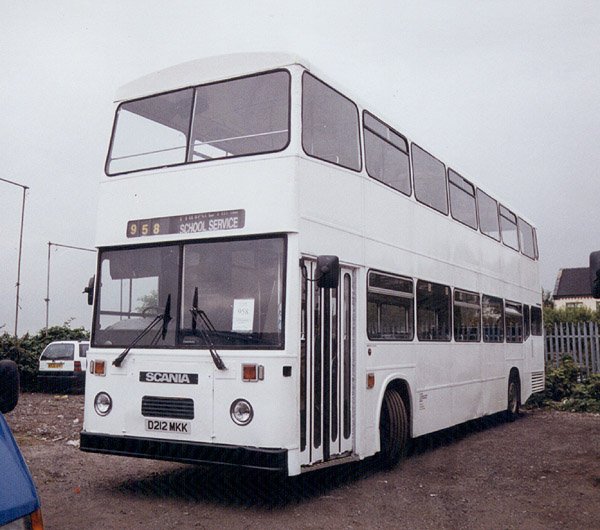
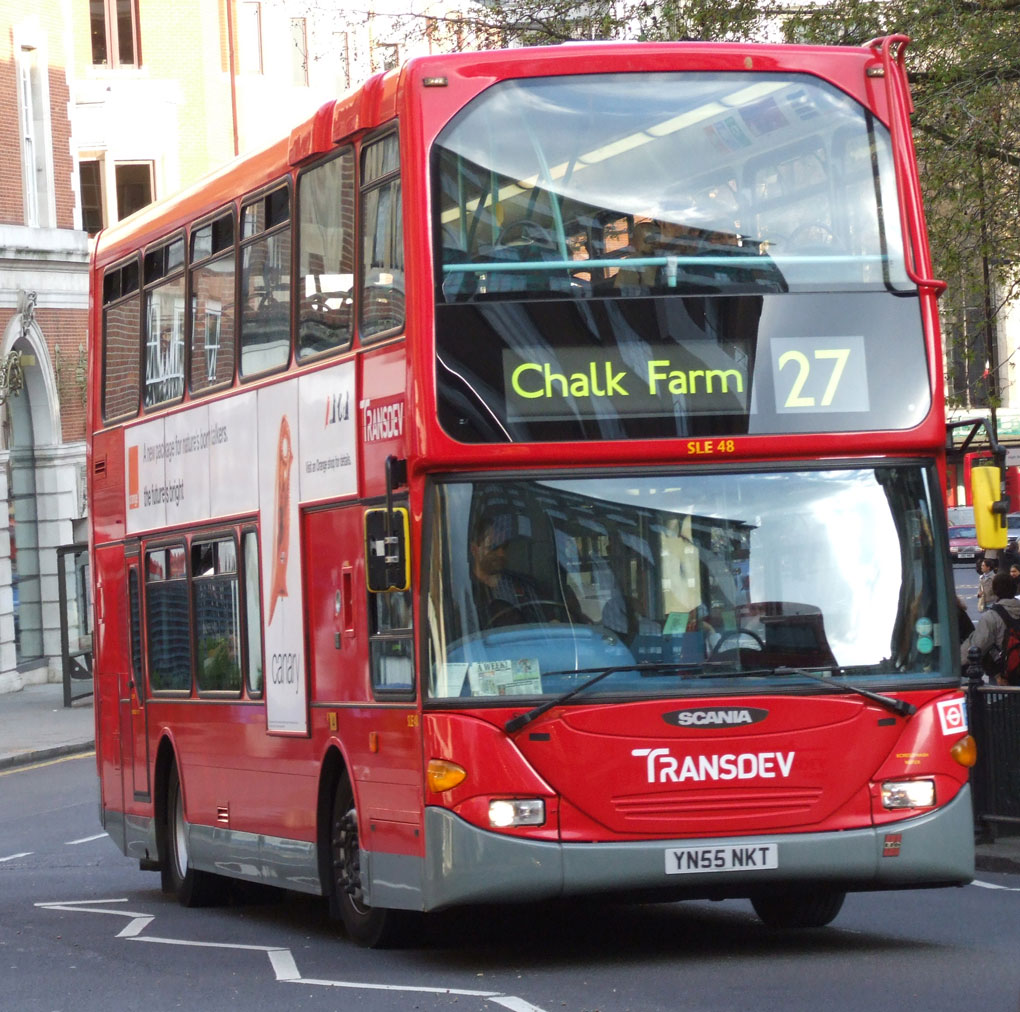
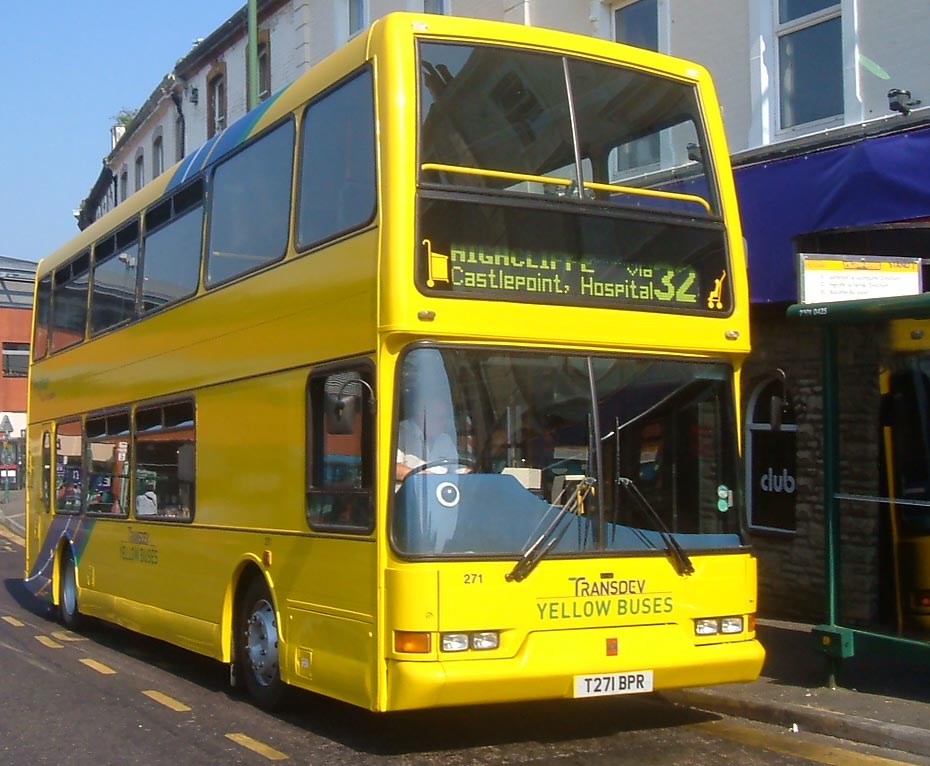
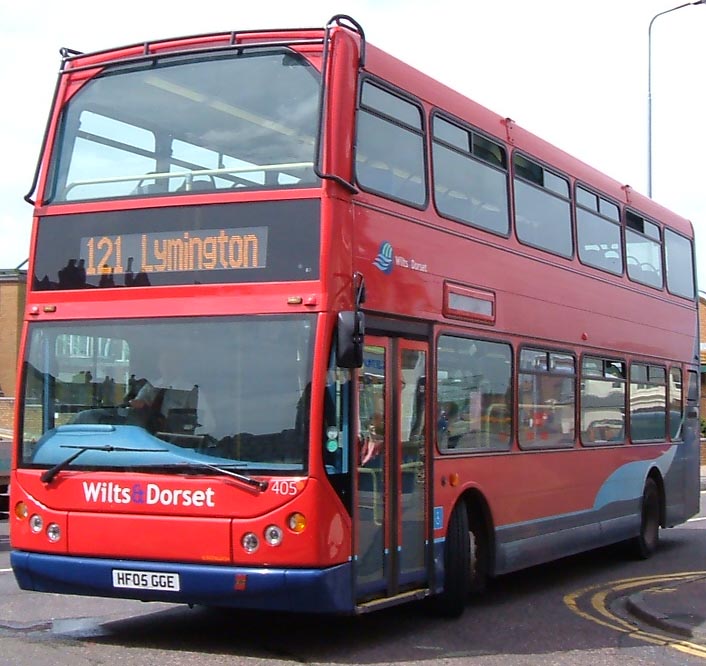
East Lancashire Coachbuilders was a British manufacturer of bus and coach bodies founded in 1934 in Blackburn, Lancashire. Commonly abbreviated as East Lancs, the company produced bodies for a wide variety of chassis used across the United Kingdom and in export markets. Its products ranged from urban single-deckers to large double-deck coaches and were fitted for municipal services, private operators and tour work.
Image gallery
6 Images

Design and construction
The firm built complete body shells that combined structural framing with exterior panels, glazing and interior fittings. Over time these adopted contemporary standards such as low-floor entrances for accessibility and modular interiors for different seating arrangements. Typical characteristics included robust steel or aluminium framing, composite or alloy panels, and configurable door and window layouts to match operator requirements.
- Body types: single-deck, double-deck and coach-style layouts
- Accessibility features: low-floor designs and wheelchair provision
- Custom interiors: seating, luggage and driver ergonomics
The company supplied bodies to chassis manufacturers and to operators wanting bespoke solutions rather than finished buses from a single vendor. In trade and technical literature this work is often described simply as building "bus bodies".
History and legacy
Starting as a regional coachbuilder, East Lancs grew through mid-20th century demand for public transport vehicles, maintaining a manufacturing base in Lancashire that supported local employment and supply chains. In later decades the business underwent restructuring and changes of ownership as the UK bus industry consolidated; the original marque eventually ceased trading as an independent company. Nevertheless, many of its bodies remained in service for years and examples survive in preservation.
Its legacy includes a reputation for practical, operator-focused designs and a contribution to local industrial history in England. Enthusiast groups and transport museums continue to document and maintain East Lancs vehicles, and preserved examples are sometimes seen at rallies and heritage services.
Notable aspects:
- Longstanding regional manufacturing heritage
- Adaptation to accessibility and regulatory changes
- Presence in both public and private transport fleets
Related articles
Author
AlegsaOnline.com East Lancashire Coachbuilders Leandro Alegsa
URL: https://en.alegsaonline.com/art/29666