
Dünserberg: small mountain municipality in Vorarlberg, Austria
Dünserberg is a small mountain municipality in the Feldkirch district of Vorarlberg, Austria, known for its rural character, alpine scenery and status as the least populous municipality in the state.
Overview
Dünserberg is a small municipality in the district of Feldkirch within the western Austrian state of Vorarlberg. Located in Austria's alpine west, the community lies in a predominantly mountainous landscape in the country of Austria. It is notable for being the municipality with the smallest resident population in Vorarlberg, and it preserves a distinctly rural and low-density settlement pattern.
Image gallery
2 Images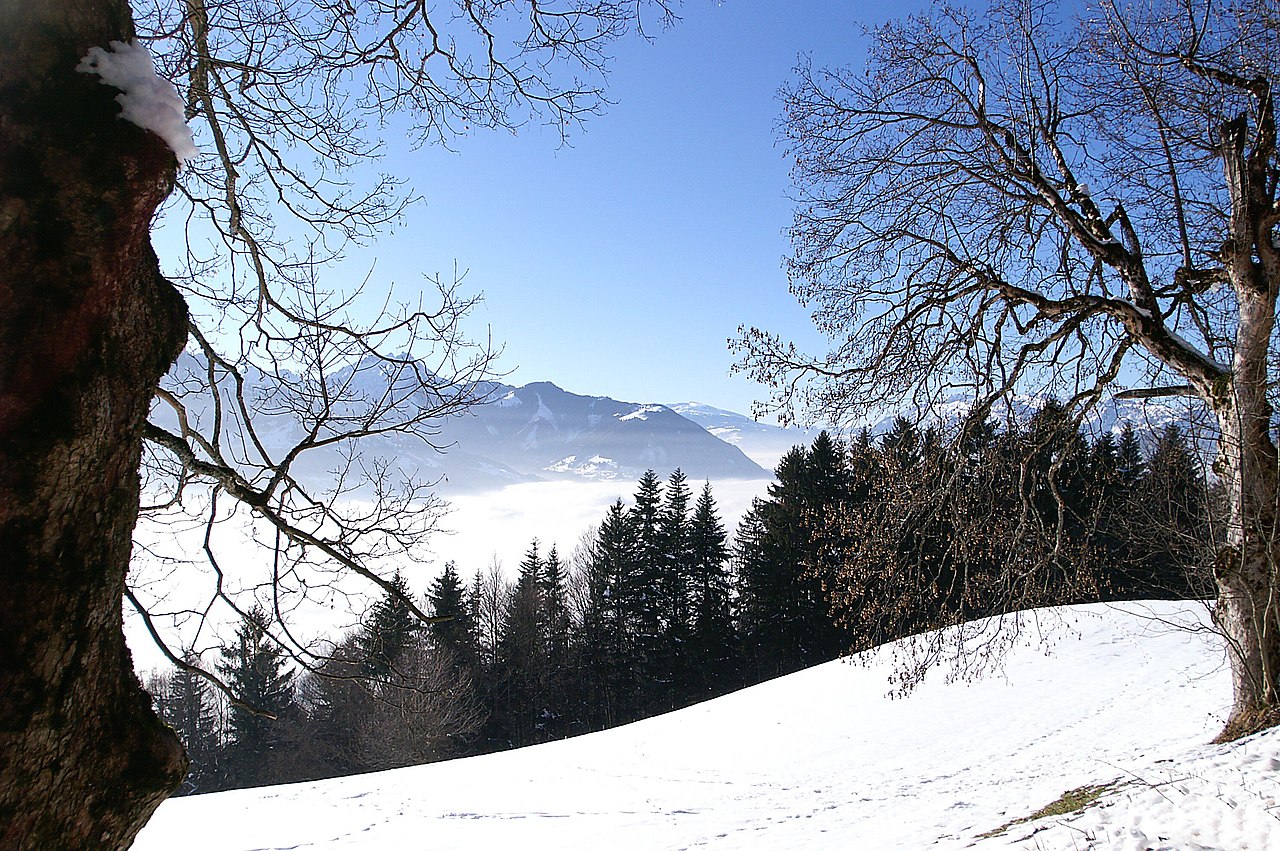

Geography and character
The municipality occupies a compact area of steep slopes and forested ridges typical of the northern Alps. Settlements tend to be scattered hamlets and isolated farms rather than a single dense town centre. The natural environment includes mixed woodland, alpine meadows and small stream valleys, which shape local land use and recreation opportunities.
- Mountainous terrain and elevated viewpoints
- Forestry and pastureland dominate the landscape
- Limited built-up area and small residential clusters
History and development
The history of Dünserberg follows the broader patterns of the Vorarlberg region: small agricultural communities, long-standing ties to nearby market towns, and integration into modern Austrian municipal administration. While it never grew into a larger urban centre, local records and traditions reflect centuries of mountain farming, seasonal grazing and community life adapted to alpine conditions.
Economy, services and daily life
Economic activity in Dünserberg is principally rural: small-scale farming, forestry and services that support local residents. Many inhabitants commute to larger towns in the Feldkirch district for work, education and specialized services. Outdoor recreation such as hiking and nature observation provides additional value and occasional visitors from the region.
Administrative and notable facts
As a municipal unit (Gemeinde), Dünserberg has its own local council and mayor responsible for community affairs, but it relies on district-level institutions for many public services. Its most commonly cited distinction is its small population size within Vorarlberg, which shapes municipal priorities toward maintaining infrastructure and preserving the natural landscape rather than expansion or urban development.
Related articles
Author
AlegsaOnline.com Dünserberg: small mountain municipality in Vorarlberg, Austria Leandro Alegsa
URL: https://en.alegsaonline.com/art/29266