
Duecento: Italian 13th-Century Culture and the Pre-Renaissance
Duecento denotes the Italian cultural moment of the 1200s, a formative era of art, literature, urban growth and the early shift toward Renaissance ideas in Italy.
The term Duecento literally means "two hundred" and in Italian historiography refers to the 13th century. It designates a period of dynamic change across the peninsula when local languages and civic institutions matured. The era is closely tied to developments in the Italian language and is often described as part of the broader Pre-Renaissance that prepared Europe for the later flourishing of the 14th and 15th centuries.
Image gallery
10 Images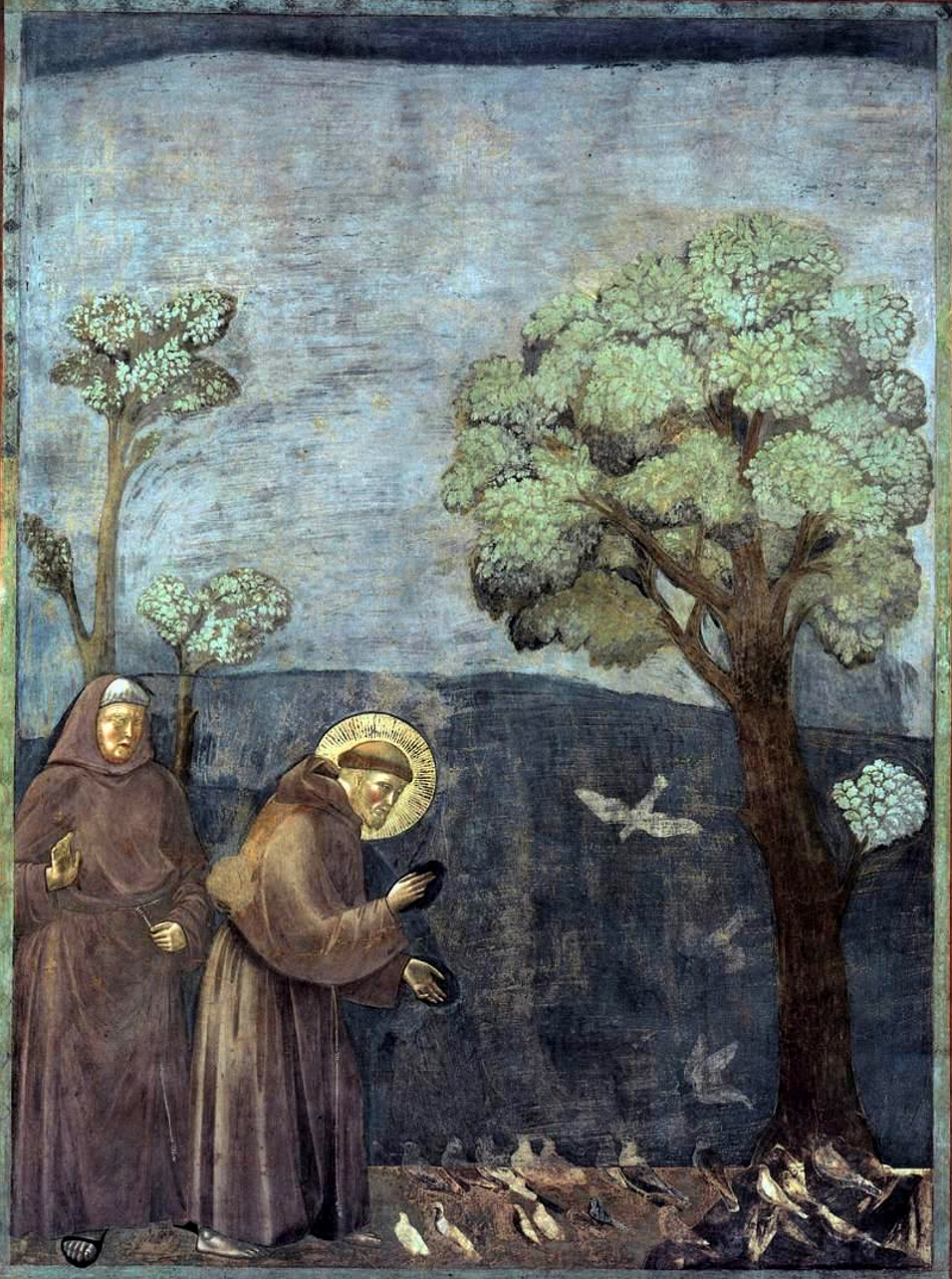


Characteristics and major developments
Duecento culture combined continued medieval traditions with new impulses: religious patronage remained central, but artists and writers increasingly explored naturalism and individual expression. Urban growth produced wealth that funded cathedrals, city halls and communal art. Intellectual life expanded as universities and schools spread scholastic learning and vernacular writing gained prestige.
Art, architecture and literature
- Painting and mosaics: artists moved away from strictly Byzantine formulas toward greater realism and emotional presence; panel painting and fresco techniques advanced.
- Architecture: Gothic elements and innovations—pointed arches, taller naves, and richer sculpture—began to appear alongside Romanesque forms in Italian cathedrals and civic buildings.
- Literature: the rise of lyric poetry in the vernacular, including movements such as the Dolce Stil Novo, made Italian a literary language and prepared for later masters.
Notable figures
Several artists and writers associated with the Duecento are pivotal in art history. Painters like Cimabue and Duccio worked in the late 1200s and introduced new approaches to composition and human representation. The early career of Giotto at the very end of the century marks a turning point toward more naturalistic depiction. Poets such as Guido Guinizzelli and Guido Cavalcanti anticipated the innovations later realized by Dante Alighieri, who was born in 1265 and whose work bridges the Duecento and the following century.
Historical significance and legacy
The Duecento is important as a transitional moment: economic expansion of merchant cities, the consolidation of communal institutions, and renewed interest in classical models all set cultural conditions for the Renaissance. While still medieval in many respects, the period's experiments in art, language and civic life created foundations that 14th- and 15th-century Italy would build upon.
Distinctions matter: scholars use "Duecento" to emphasize Italian developments specific to the 1200s, distinguishing them from the Trecento (1300s) when many of the earlier experiments matured into fully fledged Renaissance forms.
For further background on chronology, language and the Pre-Renaissance context see general overviews linked here: 13th century, Italian language, Pre-Renaissance.
Related articles
Author
AlegsaOnline.com Duecento: Italian 13th-Century Culture and the Pre-Renaissance Leandro Alegsa
URL: https://en.alegsaonline.com/art/29138