
Duke of Devonshire
A hereditary title in the Peerage of England held by the Cavendish family, historically associated with major estates, political influence in the Whig tradition, and cultural patronage from the 17th century onward.
Overview
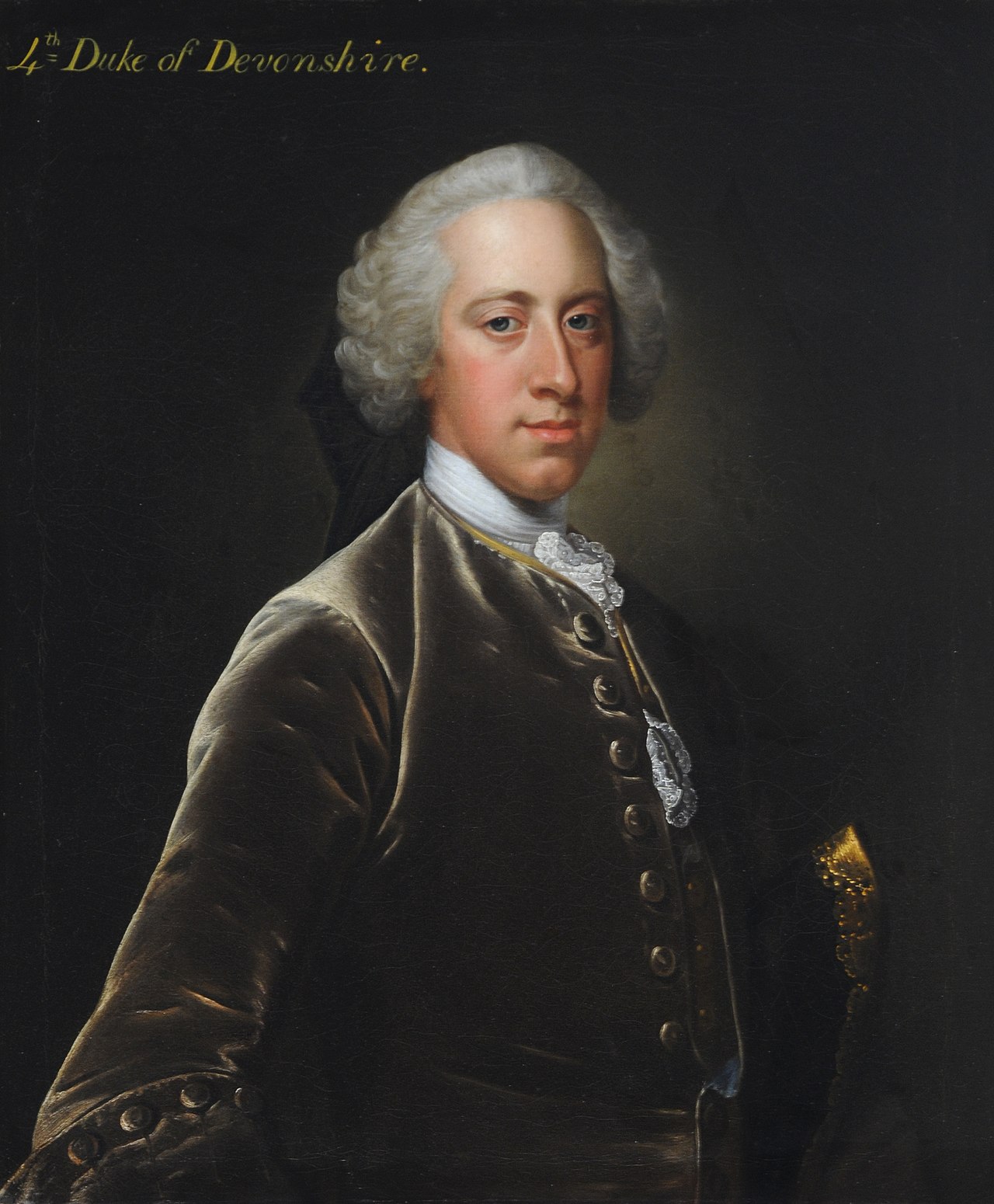
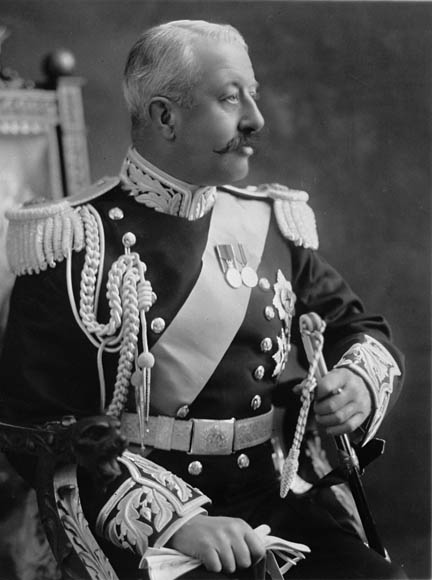
The Duke of Devonshire is a hereditary title in the Peerage of England borne by members of the aristocratic Cavendish family. Created in the late 17th century, the dukedom ranks among the senior noble titles of Britain and long signified substantial landed wealth, social prominence, and a central role in national and regional affairs.
Image gallery
6 Images


History and origins
The Cavendish family rose to prominence in the 16th and 17th centuries through landholding, marriages and service at court. The dukedom was established for a leading member of this lineage during the restoration and consolidation of the English peerage. Over succeeding generations the family accumulated estates and influence, and several dukes and duchesses played visible roles in the political life of Britain, particularly in alignment with the Whig party and its successors.
Estates and residences
The dukes are closely associated with large country houses and parklands that exemplify aristocratic taste and estate management. Their principal seat has long been a grand house noted for architecture, gardens and collections of art and furniture. These residences functioned as private homes, administrative centres for estate lands, and venues for public hospitality and cultural patronage.
Political, social and cultural role
Historically, holders of the title exerted influence as landowners, parliamentarians and local magnates. Members of the family served in various governmental and ceremonial offices, supported political causes, and acted as patrons of the arts, horticulture and charitable ventures. The duchy’s prominence was reinforced by high-profile marriages and by the public presence of notable duchesses who engaged in fashion, philanthropy and political campaigning.
Notable facts and distinctions
- The title belongs to the Peerage of England, one of several ranks that define British hereditary nobility.
- The family name and the dukedom have become associated with a particular set of estates, a distinguished art collection and a long record of public service.
- Over centuries the dukedom has continued as a private estate with evolving roles in conservation, tourism and community engagement.
Legacy and contemporary relevance
While the formal political power of hereditary peers has changed, the Duke of Devonshire remains a recognizable symbol of Britain’s landed heritage. The family’s houses and grounds attract visitors, and their historic collections and conservation work contribute to public education and regional identity. The dukedom thus bridges historical privilege and modern stewardship of cultural and natural assets.
Related articles
Author
AlegsaOnline.com Duke of Devonshire Leandro Alegsa
URL: https://en.alegsaonline.com/art/29158
Sources
- thepeerage.com : www.thepeerage.com