
Duke of York — British royal dukedom
A senior British royal title traditionally granted to the monarch's second son; long history from medieval England to the present, with distinctive rank, protocols, and historical notes.
Overview
The Duke of York is a royal dukedom in the British peerage traditionally associated with the second son of a reigning monarch. As a dukedom it ranks immediately below the sovereign and above other peerage ranks. The holder uses the style and precedence of a duke; the wife of a Duke of York is styled the Duchess of York. The title has appeared in several creations over the centuries and remains one of the best known royal courtesy titles in the United Kingdom. For general information about noble titles see this reference and for context within the British nobility see this overview.
Image gallery
10 Images






Characteristics and protocol
A royal dukedom differs from non-royal peerages by its connection to the royal family and by customary assignment. The Duke of York traditionally receives court precedence, certain ceremonial roles and may be granted patronages. Succession of the title follows the rules of the peerage under which it was created, which historically meant male-preference primogeniture; when the holder accedes to the crown the dukedom merges with the crown and ceases to be a separate peerage. Because of these factors the title has often not been inherited in a straightforward way. For broader rules about succession and precedence see succession resources and material relating to the reigning monarch.
History and notable holders
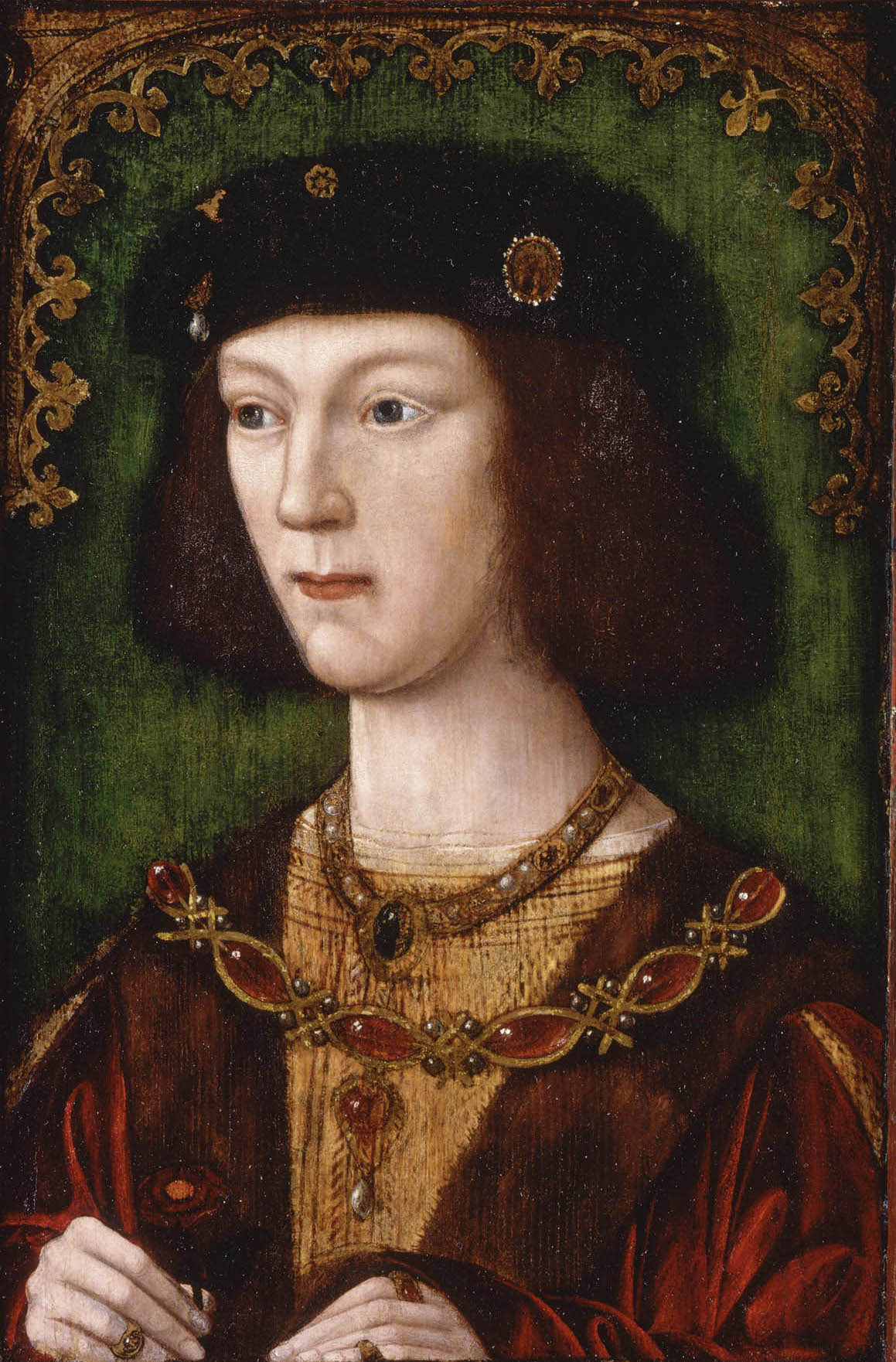
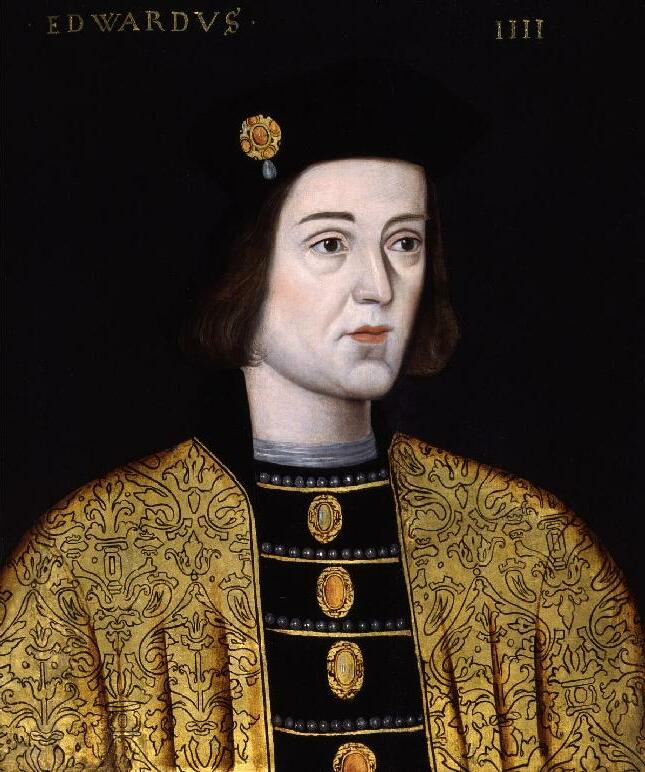
The title dates back to medieval England. The first creation was conferred upon Edmund of Langley in the late 14th century; he is widely regarded as the founder of the House of York. Since the 15th century the office has frequently been awarded to a monarch's second son as a princely dukedom. Over successive creations, several Dukes of York either died without legitimate male heirs or later became king themselves; in those cases the dukedom did not pass in the ordinary hereditary manner. For a modern example and contemporary context see information connected to current royal family members and historical summaries at royal archives.
Importance and cultural footprint
Beyond its place in court hierarchy, the Duke of York title has left a visible imprint on public life and geography. Monuments, military units, regimental names, buildings and public spaces in Britain and across former parts of the British Empire have borne the name, reflecting the historical prominence of the office. The title also figures in ceremonial occasions, public patronage and charitable activities when held by active members of the royal family. For examples of named places and institutions see related cultural references.
Key points and distinctions
- Rank: A dukedom is the highest rank in the peerage below the monarch and is styled with special ceremonial precedence.
- Customary holder: Since the 15th century it has commonly been granted to the sovereign's second son, though this is a convention rather than a fixed rule.
- Inheritance and merger: The title follows the terms of its creation and can merge with the crown or become extinct if there are no eligible heirs.
- Cultural legacy: The name appears in monuments, place names and institutions reflecting its long-standing public profile.
The Duke of York remains a prominent and historically resonant title within the United Kingdom's system of royal honours and peerage. For readers seeking primary documents, official histories or lists of individual holders, consult institutional archives and reputable reference works linked above.
Related articles
Author
AlegsaOnline.com Duke of York — British royal dukedom Leandro Alegsa
URL: https://en.alegsaonline.com/art/29168