
Ealdorman (Anglo-Saxon royal official)
Ealdorman: a senior Anglo-Saxon royal official who governed shires as administrator, judge and military leader. Predecessor to the later English earls, active from early medieval times through the pre-Conquest era.
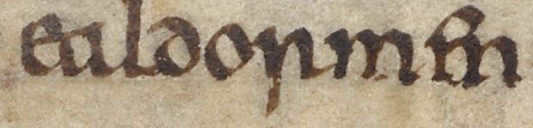
Ealdorman (Old English ealdorman, literally "elder man"; plural: ealdormen) was the name given in Anglo-Saxon England to a senior royal official charged with governing one or more shires. The post combined civil, legal and military responsibilities and formed a key element of early English government. The term and office date back into the early medieval period and remained prominent through the later Anglo-Saxon kings, including the era of King Cnut.
Image gallery
2 Images
Typical duties and powers
Ealdormen served as the king's principal representatives in the provinces. Their functions generally included:
- Administration of the shire or region, overseeing royal estates and local officials.
- Presiding at local courts and ensuring royal law was applied.
- Commanding local military forces in war, leading the fyrd and coordinating with household troops.
- Acting as intermediaries between the king and local magnates, collecting levies and taxes.
Appointment, status and resources
Ealdormen were normally appointed by the king and came from the leading aristocratic families. They often controlled substantial lands and maintained retinues of warriors. Their authority depended on royal favour and personal influence; some became powerful regional magnates in their own right while others remained closely tied to central government. The office combined elements of an administrator, judge and military commander.
Origins and historical development
The title is attested from early medieval times, with origins in post-Roman and Anglo-Saxon political structures that divided territory into shires. Over several centuries the role evolved in response to changes in royal power, military organisation and social hierarchy. By the later Anglo-Saxon period the ealdorman stood alongside other leading officials and bishops as a pillar of government. Historians regard ealdormen as the direct forerunners of the later English earls, a transition reflected in language and function as regional lordship became more formalised.
Legacy and distinctions
Although the office changed name and form, its core functions—regional governance, legal authority and military leadership—persisted into the medieval English system. In some sources the title appears interchangeably with regional magnate names; in others the later term earls becomes dominant. Scholarly studies often use the word ealdorman to describe pre-Conquest provincial rulers and to trace the development of English noble ranks.
For further introductory material and primary-source references, see standard surveys of Anglo-Saxon administration and law, and sources discussing the role of the ealdorman in relation to the crown and local society. Additional contextual reading can be found via general histories of early England and entries on related offices and institutions such as the sixth-century period governance structures.
Questions and answers
Q: What is an ealdorman?
A: An ealdorman is a high-ranking royal official responsible for one or more shires.
Q: What is the origin of the term "ealdorman"?
A: The term "ealdorman" comes from Old English, meaning "elder man".
Q: What was the role of ealdormen in ancient English society?
A: Ealdormen were tasked with being administrators, judges, and military commanders.
Q: When was the title of ealdorman in use?
A: The title of ealdorman was in use from the sixth century until the time of King Canute.
Q: What was the predecessor to English earls?
A: Ealdormen were the predecessors to English earls.
Q: What is the plural of "ealdorman"?
A: The plural of "ealdorman" is "ealdormen".
Q: What was the primary responsibility of ealdormen?
A: The primary responsibility of ealdormen was to oversee the administration and governance of one or more shires.
Related articles
Author
AlegsaOnline.com Ealdorman (Anglo-Saxon royal official) Leandro Alegsa
URL: https://en.alegsaonline.com/art/29516