
Dr. Evil (Douglas "Dougie" Powers): fictional supervillain from Austin Powers
Dr. Evil is the comic arch‑villain created and played by Mike Myers for the Austin Powers films. A parody of Cold War and James Bond antagonists, he is known for absurd schemes, catchphrases and cultural impact.
Dr. Evil, given the name Douglas "Dougie" Powers in the films, is a fictional supervillain portrayed by Mike Myers in the Austin Powers motion picture series. As the primary adversary and foil of Austin Powers, the character is crafted as a broad, affectionate mockery of mid‑20th century spy‑film antagonists and popular villain archetypes.
Image gallery
2 Images
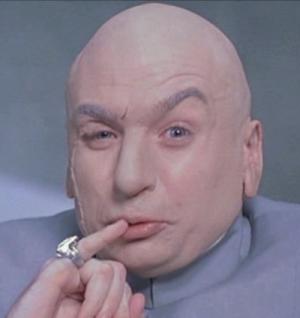
Character overview
On screen, Dr. Evil combines visual caricature and comic timing: a shaved head, tailored grey suit, distinctive gestures and exaggerated facial expressions. His schemes—demanding ludicrous ransom amounts, building secret lairs, and proposing elaborate doomsday devices—are intentionally impractical, exposing the conventions of the genre to ridicule. His dialogue often relies on timing, repetition and catchphrases that became familiar to audiences after the films' release.
Supporting characters and comic devices
Dr. Evil is surrounded by a rotating ensemble of henchmen and lieutenants who serve as both aides and punchlines. The diminutive clone known as Mini‑Me is presented as a literal, silent echo of Dr. Evil and functions as a recurring visual gag; press references sometimes describe the clone with the term dwarf in summary accounts. Other figures, such as the obsequious Number Two and assorted henchmen, complete the stock‑villain roster while contributing to the films' comic dynamics.
Origins and influences
The character was developed as a direct parody of archetypal film villains. Critics and creators alike point to the Bond series as a primary source of inspiration; the monied, globe‑spanning antagonist model is especially reminiscent of James Bond adversaries. In particular, the isolated mastermind trope and certain mannerisms echo figures such as Ernst Stavro Blofeld, a character associated with players including Donald Pleasence. Dr. Evil amplifies these elements for comic effect rather than offering a one‑to‑one imitation.
Satire and themes
As a piece of satire, Dr. Evil skewers the self‑importance of cinematic villainy and the melodrama of spy fiction. The films use the character to lampoon cultural attitudes—from Cold War paranoia to corporate boardroom posturing—and to explore sibling rivalry, identity, and narcissism through exaggerated interpersonal dynamics. The humor often depends on audience familiarity with the tropes being parodied, so recognition of the source material deepens the joke.
Appearances beyond the films
Although introduced in the Austin Powers feature films, Dr. Evil has appeared in a variety of other media and promotional contexts. The character was revived for brief television sketches, including a short sketch on Saturday Night Live, and a comedic appearance on The Tonight Show Starring Jimmy Fallon. The role has also been used in advertising and promotional materials, illustrating how a memorable parody character can be repurposed in different cultural moments.
Cultural reception and legacy
Dr. Evil rapidly became one of Mike Myers's best‑known creations, cited frequently in discussions of film parody and comic pastiche. Reviewers and commentators often emphasize the character's affectionate rather than purely derisive tone: the films both mock and celebrate the cinematic traditions they reference. The figure is invoked in popular culture when satirists or commentators seek a recognizable shorthand for overblown villainy or theatrical incompetence.
Notable facts
- Dr. Evil's exaggerated demands for sums of money are played as a running gag that comments on cinematic hyperbole.
- The sibling relationship and shared family name with Austin are used for comedic contrast and narrative twists.
- Mini‑Me functions as both comic relief and a visual commentary on self‑obsession.
- The films explicitly position the character as a parody of spy and supervillain conventions.
- The character's stated ambitions to terrorize or rule the world are part of the satirical conceit and are not presented as realistic threats.
Use in topical satire
Because of his recognizability, Dr. Evil has been adapted to comment on contemporary politics and celebrity. Sketch writers have placed the character into imagined modern settings—once even suggesting an absurd workplace scenario involving figures from recent public life—and these appearances have been used to lampoon real‑world power dynamics, including references to political figures such as President Trump. Such revivals underline the flexibility of parody characters to address new subjects while retaining their original comic identity.
For readers seeking primary sources and production details, the Austin Powers series pages provide film credits and background material; the films themselves remain the best source for Dr. Evil's dialogue, visual style and narrative role. General discussion of spy tropes and parody can be found in film studies surveys that examine how pastiche and homage function in comedy and popular media.
Additional historic mentions and brief cameo appearances are noted in contemporary coverage of television and advertising, and the character continues to serve as a touchstone in popular references to Bond‑style villainy. For more on the films and cast, see the Austin Powers series entry and related coverage at film reference sources and press archives (Austin Powers series).
The enduring popularity of Dr. Evil illustrates how a well‑crafted parody can achieve independent cultural currency: it lampoons recognizable targets while becoming a memorable figure in its own right.
Further reading and media references include interviews with the creators and critical essays that trace the lineage of spy‑film satire; for broad context on the Bond influences cited above, consult discussions of James Bond villains and the archetypal traits embodied by characters like Ernst Stavro Blofeld.
Selected on‑screen revivals and mentions have included sketches and advertisements that reintroduce the character to new audiences and reaffirm his place in comic parody history.
Related articles
Author
AlegsaOnline.com Dr. Evil (Douglas "Dougie" Powers): fictional supervillain from Austin Powers Leandro Alegsa
URL: https://en.alegsaonline.com/art/28811