
Alluvial fan
Fan-shaped sediment deposit formed where high-energy streams spread onto flatter ground; common at mountain fronts and important for groundwater, agriculture, debris flows and flood hazards.
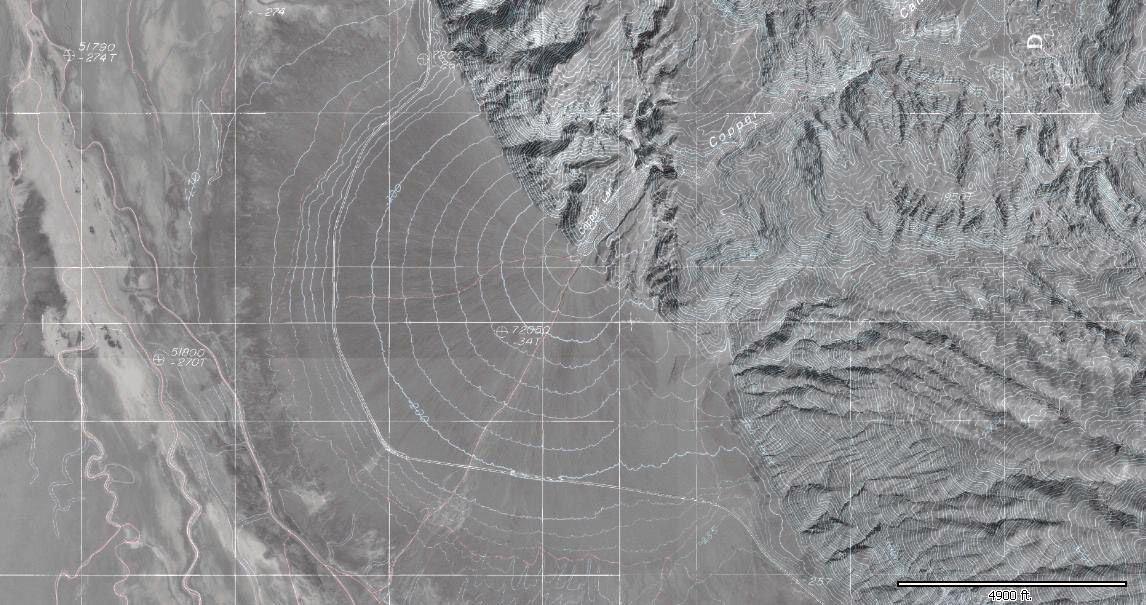
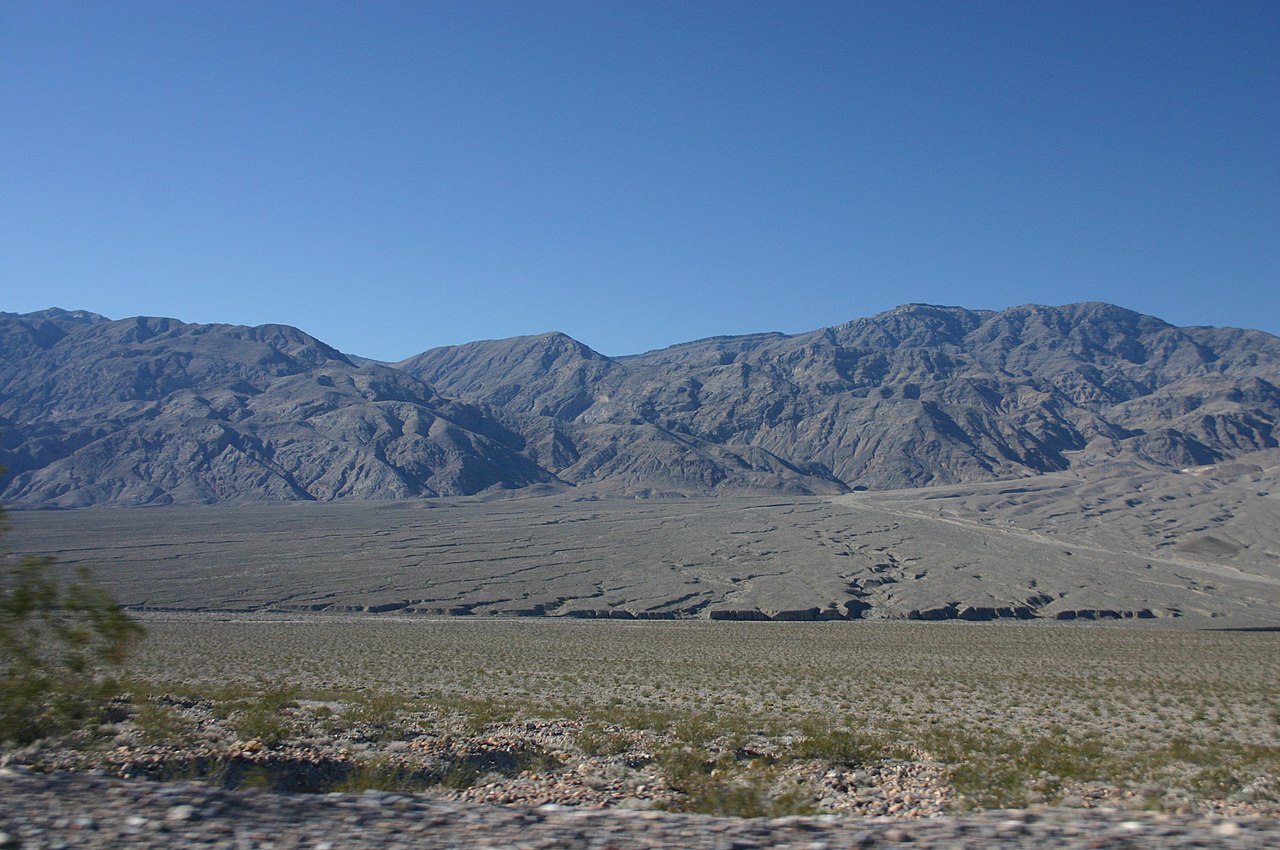
An alluvial fan is a broadly fan-shaped accumulation of sediments—gravel, sand, silt and finer material—deposited where a confined, steep stream exits a valley and spreads across a flatter surface. The deposit builds outward from a narrow upstream point and typically grades from coarser material near its source to finer sediment at the distal edge. Geologists describe these features as natural sedimentary aprons that record changes in water flow, sediment supply and landscape evolution. Fan-shaped deposit and its constituent soil and rock layers preserve evidence of past floods and debris flows.
Image gallery
8 Images




Formation and structure
Alluvial fans form when a fast-moving stream or flash flood leaves the confines of a mountain channel and rapidly loses its carrying capacity. As flow spreads laterally, velocity drops and the heaviest particles drop out first, producing a characteristic sorting of sediments. Repeated flow events create a network of shifting distributary channels that braid and abandon parts of the fan, producing small ridges, levees and scoured depressions across the surface. The active zone near the channel mouth is called the apex, and farther away the surface becomes more gently sloping and finer grained. The stream or river behavior that builds a fan can be episodic, with long quiet intervals punctuated by intense deposition during storms.
Typical settings and appearance
Alluvial fans are most conspicuous where steep mountain ranges abut broad, low-relief plains or basins. They are common in arid and semi-arid climates but occur wherever topography and sediment supply permit. The receiving surface may be a dry plain, playa or an incised valley; the point of transition to flat ground is often called the fan-plain boundary. In many landscapes multiple fans from adjacent valleys coalesce into an extensive apron called a bajada. Fans vary in size from small aprons at the mouth of a single canyon to large systems extending many kilometers over a plain.
Uses, hazards and management
People have long used fan deposits for agriculture and settlement because they can provide well-drained soils and seasonally replenished groundwater. However, fans carry risks: rapid sediment-laden floods and debris flows can bury fields, roadways and structures. Management and planning must account for the fan’s active channels and potential for sudden flood events. Typical considerations include mapping flow paths, restricting development near the apex, and engineering measures to divert or slow debris flows.
- Hazards: channel migration, debris flows, sudden flooding and sediment burial.
- Benefits: groundwater recharge, fertile deposits for some crops, construction aggregate.
- Human influence: road crossings, grading and flood-control structures can alter fan behavior and increase downstream risk.
Related terms and notable distinctions
Alluvial fans are related to, but distinct from, deltas (which form where rivers enter standing water) and alluvial plains (broad flat areas built by many rivers). A cone is a similar form produced by volcanic or talus deposits in some contexts, while a bajada results when neighboring fans merge. Short-term processes such as crumbling of steep slopes supply sediment to fans, and long-term climate or tectonic change controls their growth. Scientists combine field observation, remote sensing and sediment analysis to interpret fan history and guide safe land use. Fan-shaped landforms remain key records of landscape dynamics and natural hazards.
Related articles
Author
AlegsaOnline.com Alluvial fan Leandro Alegsa
URL: https://en.alegsaonline.com/art/2875
Sources
- doi.org : 10.1061/(ASCE)0733-9429(2002)128:3(322)