
Alpine Fault — major plate boundary fault in New Zealand
The Alpine Fault is the principal active geological fault on New Zealand's South Island, marking the Pacific–Indo-Australian plate boundary and responsible for uplift of the Southern Alps.
Overview
The Alpine Fault is a major geological fault that runs along much of New Zealand's South Island. It forms the onshore portion of the plate boundary between the Pacific Plate and the Indo-Australian Plate. Because it lies on land and is highly active, the fault is a primary focus for geological research and public earthquake preparedness in New Zealand.
Image gallery
6 Images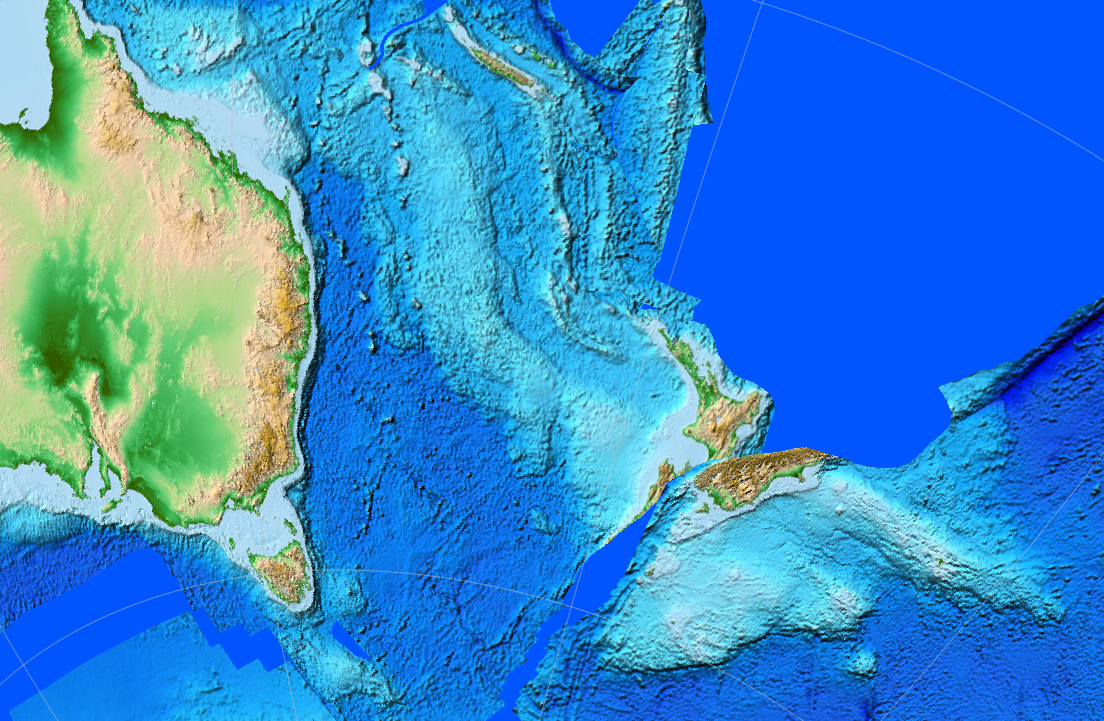


Characteristics
The fault is best described as a predominantly right-lateral strike-slip structure with a component of uplift. Key characteristics include:
- Location and extent: it follows a roughly continuous trace for most of the length of the South Island, separating distinct tectonic blocks.
- Movement style: lateral (horizontal) motion dominates, while oblique uplift has raised the mountain chain along its eastern side.
- Rate and effects: plate motions produce slip on the fault at a rate measurable in millimetres to centimetres per year, and repeated ruptures have driven the growth of the Southern Alps over geological time.
History and seismicity
Geological and paleoseismic studies show the Alpine Fault has ruptured repeatedly in past centuries and millennia. Large earthquakes on the fault have shaped the landscape and triggered landslides and river diversions. While the exact timing of past events and the next rupture cannot be predicted precisely, the fault is known to produce major earthquakes during irregular intervals and is closely monitored by scientists.
Importance and hazard
Beyond its scientific value as an accessible, active plate boundary, the Alpine Fault represents a significant seismic hazard. Large ruptures would affect infrastructure, communities and ecosystems across much of the South Island. As a result, New Zealand maintains monitoring networks, conducts rupture-history research and promotes preparedness measures for regions that could be impacted.
Notable facts
- The Alpine Fault is a prominent example of an active transform/oblique fault system exposed on land, allowing detailed study of plate-boundary processes.
- Ongoing research combines field mapping, trenching, GPS observations and drilling to refine knowledge of its behaviour and risks.
For further introductory information, see general resources on plate boundaries and regional geology (fault basics, New Zealand geology), or regional summaries of the South Island and Southern Alps (South Island, Southern Alps).
Questions and answers
Q: What is the Alpine Fault?
A: The Alpine Fault is a geological fault that runs entirely through New Zealand's South Island.
Q: What does the Alpine Fault form a boundary between?
A: The Alpine Fault forms a boundary between the Pacific Plate and the Indo-Australian Plate.
Q: What have earthquakes along the fault formed?
A: Earthquakes along the fault have formed the Southern Alps.
Q: Where does the Alpine Fault run?
A: The Alpine Fault runs entirely through New Zealand's South Island.
Q: What type of fault is the Alpine Fault?
A: The Alpine Fault is a geological fault.
Q: How has the Alpine Fault affected the landscape of New Zealand's South Island?
A: Earthquakes along the Alpine Fault have formed the Southern Alps in New Zealand's South Island.
Q: What are the plates that the Alpine Fault forms a boundary between?
A: The Alpine Fault forms a boundary between the Pacific Plate and the Indo-Australian Plate.
Related articles
Author
AlegsaOnline.com Alpine Fault — major plate boundary fault in New Zealand Leandro Alegsa
URL: https://en.alegsaonline.com/art/2981