
Double reed instruments
Overview of double reed woodwinds: construction, common instruments (oboe, bassoon, cor anglais), playing technique, historical development and practical uses in music.
Double reed instruments are a subgroup of woodwinds that produce sound when two narrow strips of material vibrate against one another. Rather than blowing into a mouthpiece fitted with a single reed, the performer blows directly into or across a small assembly of two reeds bound together. The resulting tone is distinctive: often penetrating, expressive, and capable of fine dynamic shading.
Image gallery
9 Images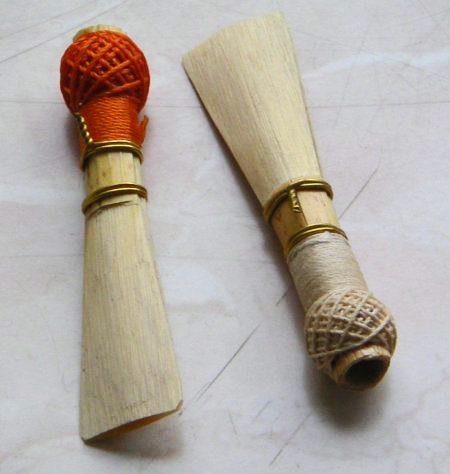
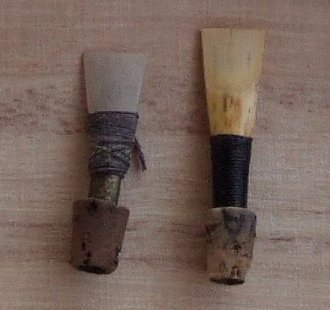


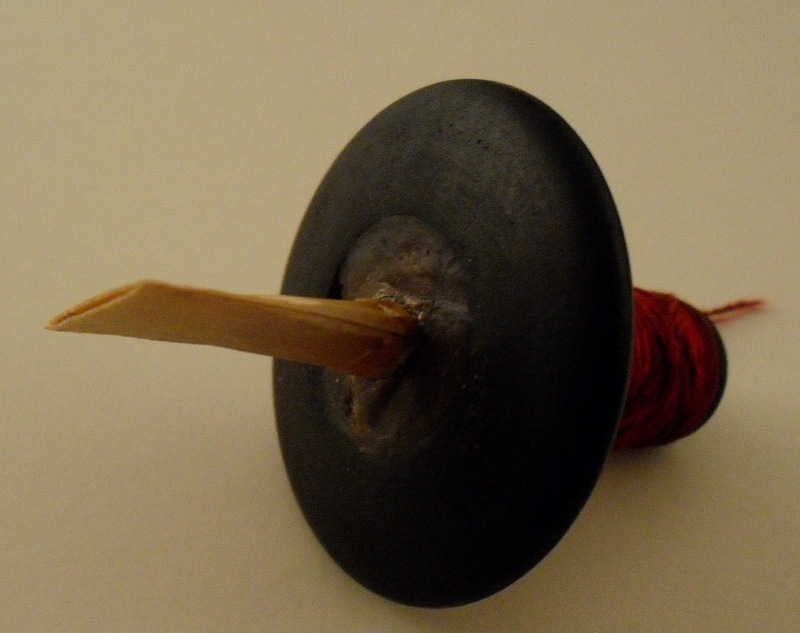


Characteristics and construction
Reeds are commonly made from cane (Arundo donax) or synthetic materials and are shaped by scraping, folding, or tying to create two vibrating blades. The exact shape and stiffness of the reed have a major effect on intonation, response, and timbre. The instrument body, keywork and bore together with the reed determine range and tone; players frequently adjust or make their own reeds to suit repertoire and acoustics. For a general introduction see reed construction and descriptions of double‑reed instruments.
Common instruments
- Oboe — a soprano-range orchestral instrument noted for its clear, nasal timbre.
- Cor anglais (English horn) — an alto member of the oboe family, pitched lower and with a more mellow sound.
- Bassoon — a bass-range double reed with a wide range and characteristic reedy tone.
Other relatives include the contrabassoon and several historical and folk instruments derived from the same principle. The list above highlights instruments most often heard in Western orchestral and chamber music.
History and development
Double‑reed instruments have ancient and multicultural roots. In Europe, the medieval shawm and Renaissance instruments evolved into the modern orchestral oboe and bassoon during the 17th and 18th centuries as makers refined bore profiles and keywork. Similar double‑reed traditions developed outside Europe in the Middle East and Asia, where local materials and playing styles produced a range of regional timbres.
Playing technique and role
Players place the reed between the lips rather than gripping a mouthpiece with the teeth, requiring careful embouchure and breath control. Double‑reed instruments are used for solo repertoire, chamber music, orchestral color, and to provide tuning reference (the oboe frequently gives the concert A in orchestras). Because of the reed’s influence, many double‑reed players learn to craft and adjust reeds themselves to achieve desired response and intonation.
Notable practical facts: reed condition strongly affects performance; small adjustments alter pitch and tone; and makers continue to experiment with synthetic reeds and bore designs. For further reading consult specialist sources and instrument makers’ guides (overview, reed making, bassoon resources, oboe information, cor anglais notes).
Related articles
Author
AlegsaOnline.com Double reed instruments Leandro Alegsa
URL: https://en.alegsaonline.com/art/28643