
Dorothy Height: Civil Rights and Women's Rights Leader
Dorothy Height (1912–2010) was a leading American civil rights and women's rights activist who led the National Council of Negro Women and championed voter, literacy, and employment programs.
Dorothy Irene Height (March 24, 1912 – April 20, 2010) was a prominent American activist who spent decades advancing civil rights and women’s rights, especially for African American women. Her public work combined organizational leadership, grassroots programs, and national advocacy. She is best known for her long tenure with the National Council of Negro Women and for bringing attention to unemployment, illiteracy, and voter awareness among Black women.
Image gallery
5 Images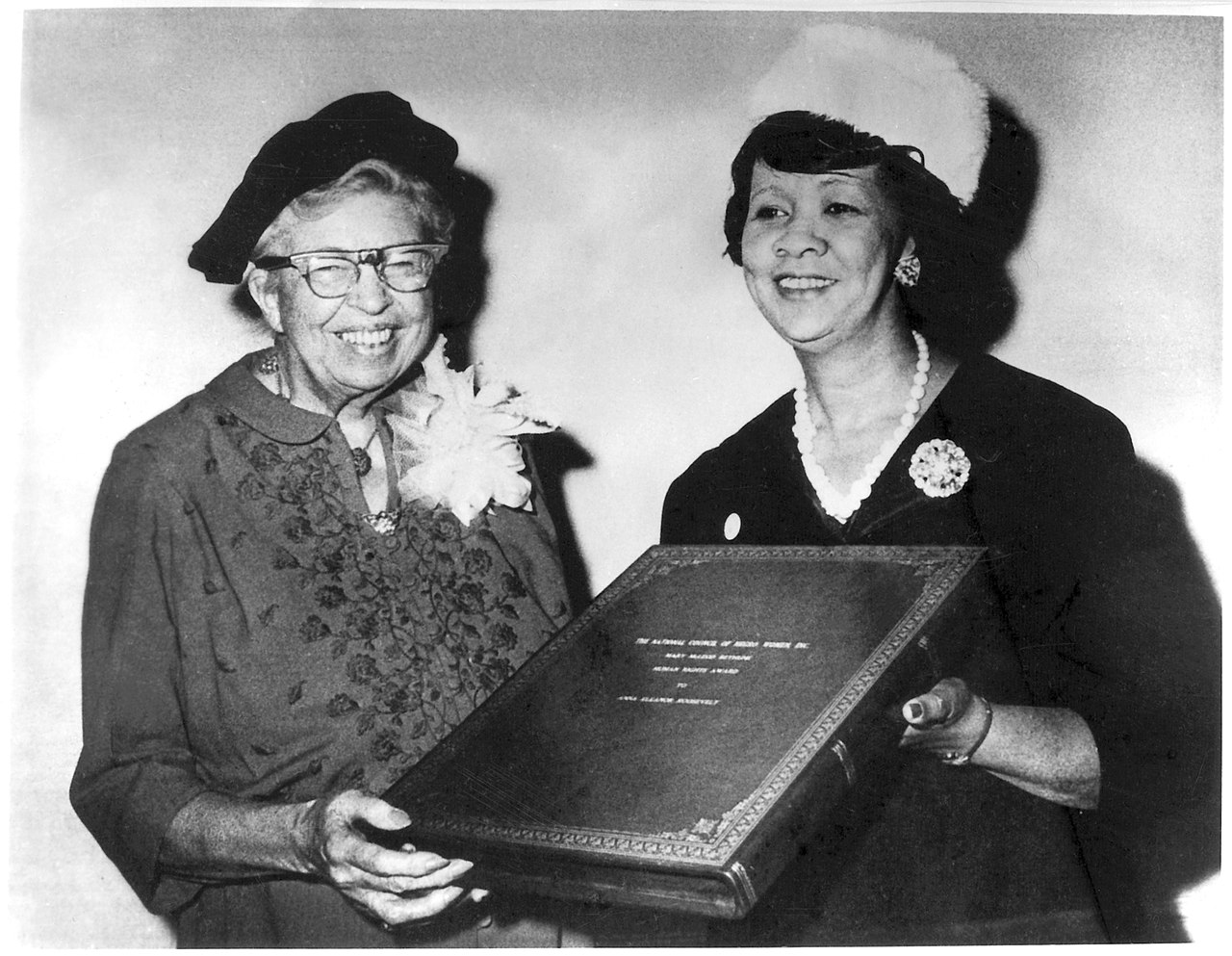


Early life and formation
Height was born in Richmond, Virginia and raised in Pittsburgh, where she completed her secondary education in high school. Her upbringing in a segregated society shaped a lifelong commitment to equality and opportunity. She moved into national activism as she joined and helped organize efforts that focused on the social and economic needs of African American women across the United States and beyond.
Leadership and work
For four decades Height served as a leader of the National Council of Negro Women, guiding the organization through the mid-20th century’s major civil rights and women’s rights struggles. She combined practical programs — literacy classes, job-placement efforts, and voter education drives — with public advocacy aimed at federal and local policy makers. Her approach bridged community-based service and national-level influence, earning her respect among activists of many generations.
Causes and methods
Height concentrated on expanding opportunities where race and gender intersected: combating unemployment, reducing illiteracy, and increasing civic participation through voter awareness campaigns. She often worked in coalitions with other civil rights and women’s organizations and served in advisory roles to government and nonprofit institutions. Her work exemplified a pragmatic mix of direct service, leadership training, and policy advocacy.
Awards, legacy and recognition
Her long public career drew high honors, including the Presidential Medal of Freedom in 1994 and the Congressional Gold Medal in 2004. Colleagues and historians frequently describe her as a central figure in 20th-century social reform, a leader who kept attention on the particular needs of women of color within broader movements for justice. She lived her later years in and around Washington, D.C., and she died there at the age of 98.
Context and continuing relevance
Height’s career illustrates how sustained organizational leadership can shape civic life: she worked to translate broad ideals of equality into programs that increased voting participation, improved adult literacy, and helped people find stable employment. Her story is often cited when discussing the intersections of race, gender, and public policy in American history. For introductions and further reading, see general resources on the civil rights movement, the history of the civil rights leadership, and accounts of the women’s rights movement. Additional regional and biographical materials can be found through archives and historical collections in Pennsylvania.
Related articles
Author
AlegsaOnline.com Dorothy Height: Civil Rights and Women's Rights Leader Leandro Alegsa
URL: https://en.alegsaonline.com/art/28590