
Dorothy Parker: American writer, critic, and sharp-witted satirist
Dorothy Parker (1893–1967) was an American poet, short-story writer, critic and satirist noted for razor-sharp epigrams, New Yorker journalism, Algonquin Round Table membership, Hollywood screenwriting and political controversy.
Dorothy Parker emerged in the early 20th century as a prominent voice of urbane criticism and incisive humor. She is widely remembered as a poet, a short-story writer, a theatrical and literary critic, and an energetic satirist. Her work combined economy of language with a keen ear for social pretensions, producing memorable epigrams and aphorisms that circulated broadly in popular culture. Parker wrote for prominent magazines of her era and developed a public persona that blended glamour, caustic wit, and personal vulnerability.
Image gallery
4 Images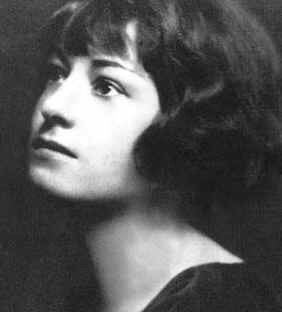


Career and writing
Parker's verse and short prose were notable for brevity and ironical observation. Her early poetry collections and short stories established a reputation for pointed one-liners and scenes of modern urban life. She worked as a critic for national periodicals and contributed to outlets that shaped literary taste in the 1920s and 1930s, often reviewing theater, books, and social trends. She was a frequent contributor to magazines and used her platform to shape conversations about contemporary culture and manners.
Communal life and Hollywood
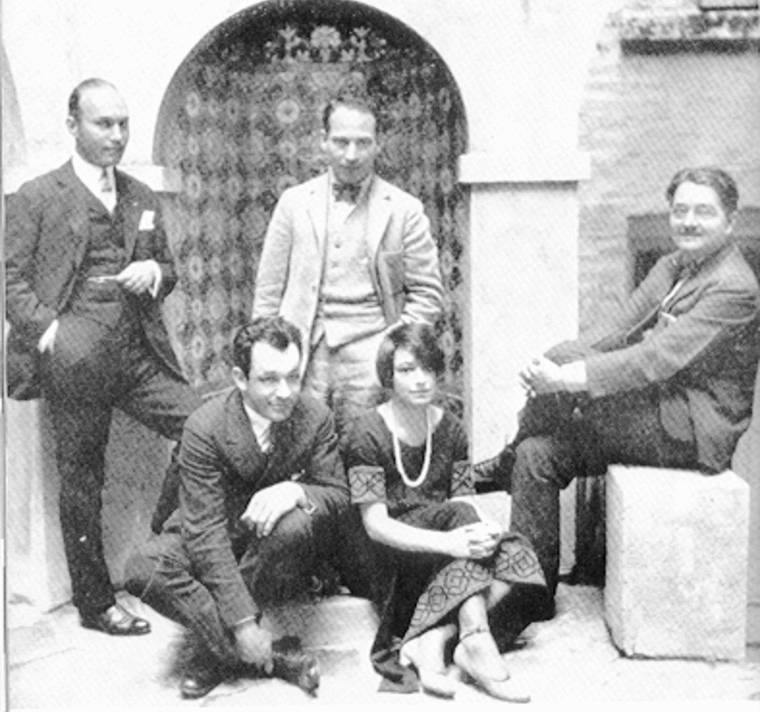
In New York she was a central figure in a circle of writers and actors known as the Algonquin Round Table, a group that mixed conviviality with competitive wit. Parker later moved to Hollywood to pursue screenwriting and adaptation work; her efforts there led to recognition in the film industry, including award nominations and collaboration with other screen professionals. Despite success in commercial writing, she retained the merciless critical tone that marked her magazine pieces and fiction.
Politics, controversy, and later years
Parker's political sympathies included support for progressive and left-leaning causes of her time. During the era of heightened anti-Communist investigations in American entertainment, her political activities and associations contributed to scrutiny and practical obstacles to her work in Hollywood, including a period commonly described as being on the blacklist. She continued to write and publish while managing personal struggles with health and dependence that affected many public figures of the period.
Style, influence, and notable facts
Parker is remembered most for a compact, aphoristic style that could be playful or withering. Critics and readers praised her for distilling complex social observations into a line or two, and her epigrams remain frequently quoted. Beyond journalism and poetry, she produced many short stories that explored relationships, loneliness, and social maneuvering. Her life and work have been the subject of biographies, anthologies, and retrospective appreciation in literary histories.
Selected themes and legacy
- Urban modernism: Portraits of 20th-century city life and manners.
- Wit as critique: Use of humor to expose pretension and affectation.
- Cross-genre work: Poetry, short fiction, reviews, and screenplay writing.
- Enduring reputation: Influence on later humorists and cultural critics.
For further reading about her poems, stories, and critical pieces, consult collections and biographical studies that trace her magazine work and Hollywood period. Her presence in the interwar literary scene and the mid-century politics of American entertainment make her both a significant literary figure and a symbol of the tensions between public persona and private hardship. See related entries on literary salons, periodical criticism, and 20th-century American humor for broader context (context, collections, screenwriting, politics, blacklisting).
Questions and answers
Q: Who was Dorothy Parker?
A: Dorothy Parker was an American poet, short story writer, critic, and satirist.
Q: What was Dorothy Parker known for?
A: Dorothy Parker was known for her epigrams, wit, wisecracks, and her eye for 20th century fads and conceits.
Q: How did Dorothy Parker rise to fame?
A: Dorothy Parker rose to fame for her writing in The New Yorker and as a founding member of the Algonquin Round Table.
Q: What did Dorothy Parker do after the breakup of the Algonquin Round Table?
A: After the breakup of the circle, Dorothy Parker went to Hollywood to do screenwriting.
Q: Did Dorothy Parker receive any Academy Award nominations for her screenwriting?
A: Yes, Dorothy Parker received two Academy Award nominations for her screenwriting.
Q: Why was Dorothy Parker blacklisted in Hollywood during the 1950s?
A: Dorothy Parker was blacklisted in Hollywood during the 1950s because of her involvement in left-wing politics.
Q: Did Dorothy Parker like her reputation as a "wisecracker"?
A: No, Dorothy Parker disliked her reputation as a "wisecracker".
Related articles
Author
AlegsaOnline.com Dorothy Parker: American writer, critic, and sharp-witted satirist Leandro Alegsa
URL: https://en.alegsaonline.com/art/28594