
Dorothy Thompson (1893–1961) — American journalist and broadcaster
Dorothy Thompson was a prominent American journalist and radio broadcaster, noted for her Berlin reporting, outspoken criticism of Nazism (she was expelled in 1934), and widely syndicated columns and broadcasts.
Overview
Dorothy Thompson (July 9, 1893 – January 30, 1961) was an influential American journalist, columnist and radio broadcaster. She gained national attention in the 1920s and 1930s for reporting from Europe, for her plainspoken analysis of politics, and for using the new medium of radio to reach a broad audience. Thompson was one of the best-known female public intellectuals of her era and played a notable role in shaping American views of developments in interwar Europe.
Image gallery
5 Images


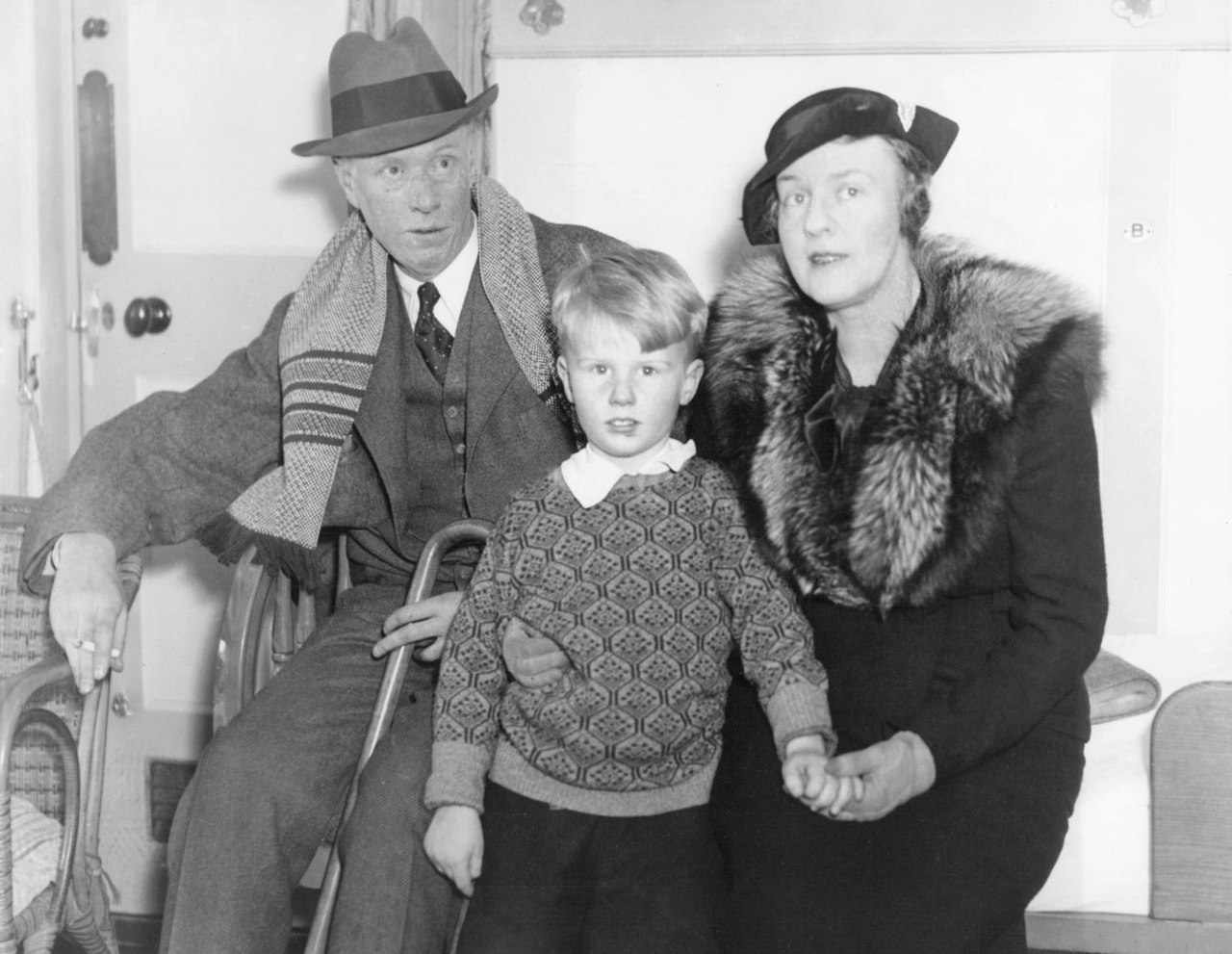

Career and reporting
Trained as a journalist, Thompson worked for American newspapers and spent important years in Berlin as a foreign correspondent. Her dispatches from Germany and other parts of Europe were syndicated widely in the United States. At a time when few women held such posts, she combined feature reporting, political commentary and public speaking. She also became a regular voice on radio, one of the relatively small number of women broadcasting news and opinion in the 1930s.
Views, influence and exile
Thompson was an outspoken critic of totalitarian movements and was particularly forthright in her warnings about the dangers of Nazism. Her reporting and commentary attracted the attention of German authorities; in 1934 she was expelled from Nazi Germany, an event often cited as a symbol of the regime's intolerance of independent foreign press. Back in the United States, Thompson continued to write columns and speak on radio about foreign policy, civil liberties and the international crises of the 1930s and 1940s.
Public role and legacy
Beyond reporting, Thompson had been active earlier in the women’s suffrage movement and remained engaged on public issues throughout her life. She published books and essays, maintained a widely read syndicated column, and used broadcasting to bring international affairs to American listeners. Her career helped open doors for women in journalism and broadcasting and left a legacy as a prominent female commentator during a transformational era in media and politics.
Notable facts
- She worked in Berlin for an American newspaper's foreign bureau and later wrote widely syndicated columns.
- Her expulsion from Germany in 1934 made headlines and underscored tensions between the Nazi regime and the foreign press.
- She was among the early women to gain prominence on radio as a commentator and interviewer.
- Dorothy Thompson married novelist Sinclair Lewis; they were a high-profile couple for a time and both had public careers.
Further reading and archival resources
For primary sources, biographies and archived broadcasts consult collections and trusted summaries at these repositories and guides:
- Dorothy Thompson archival collection
- Selected columns and papers
- Radio broadcasts and transcripts
- Accounts of reporting from Berlin
- Materials on women’s suffrage involvement
- Contextual essays on interwar journalism
- Biographical overview and timelines
- Contemporary reviews and commentary
- Obituaries and memorials
Dorothy Thompson was born in Lancaster, New York, and died in Lisbon, Portugal, in 1961. Her work remains a reference point for studies of journalism, gender and the transatlantic media culture of the twentieth century.
Related articles
Author
AlegsaOnline.com Dorothy Thompson (1893–1961) — American journalist and broadcaster Leandro Alegsa
URL: https://en.alegsaonline.com/art/28597