
Doping in Sport: Definition, Methods, Testing and Consequences
An overview of doping in sport: what it is, common substances and methods, how testing and regulation work, health and ethical consequences, and measures to prevent it.
Overview
Doping in sport refers to the use of substances or methods by competitors to enhance performance in ways prohibited by sport governing bodies. It covers a range of chemical agents, biological procedures and techniques intended to increase strength, endurance, recovery or oxygen delivery. The practice undermines fair play and can endanger the health of participants. For a basic introduction to organized athletics and regulation see sport.
Image gallery
7 Images




Common substances and methods
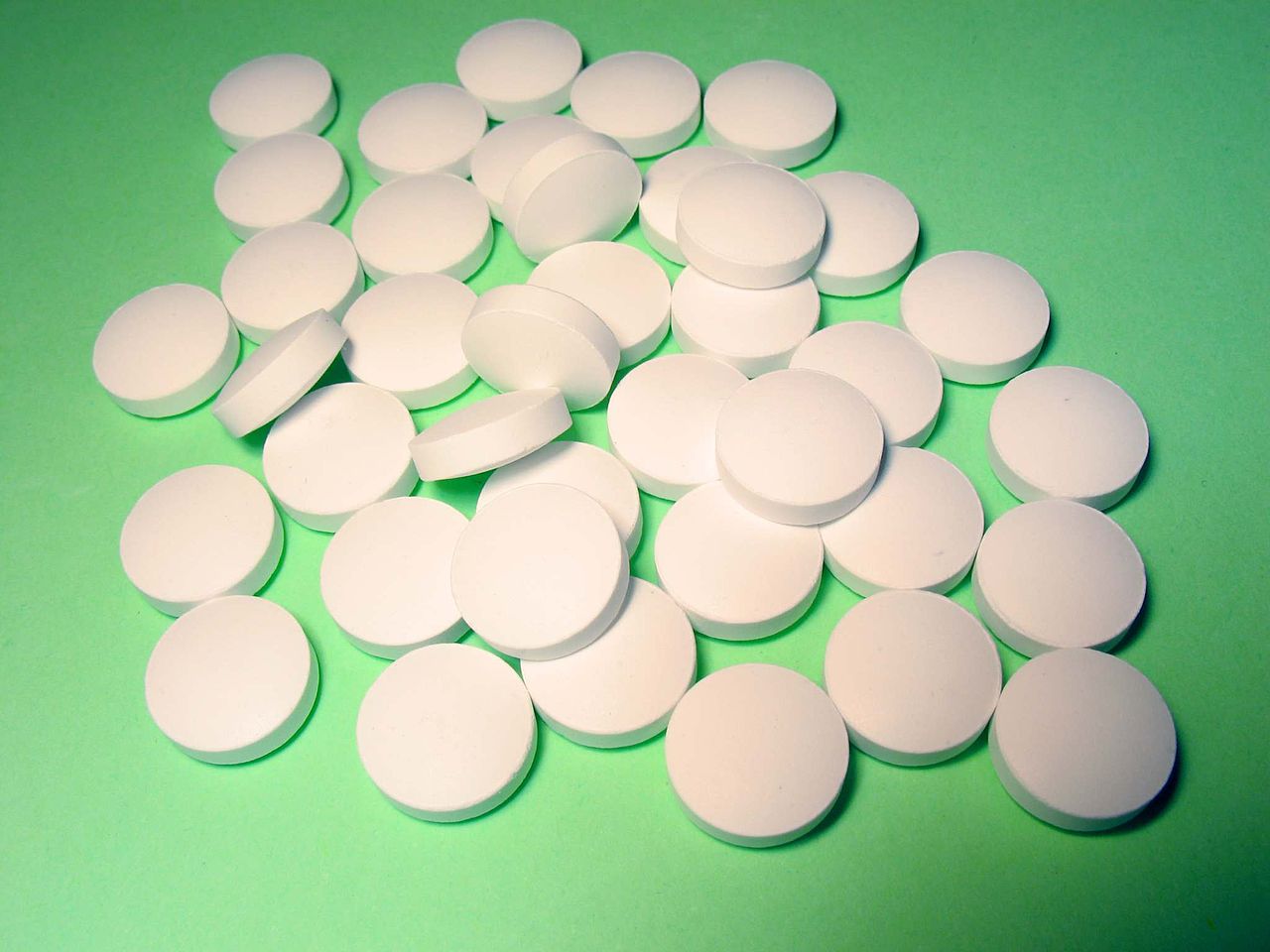
Prohibited items include anabolic steroids, hormones, stimulants, blood boosters and masking agents. Typical examples are anabolic agents that promote muscle growth, erythropoiesis-stimulating agents that raise red blood cell counts, blood transfusions or other forms of blood doping, and peptide hormones that influence metabolism. Even legally prescribed medicines can be banned in competition if they enhance performance or hide use of other substances; consult authoritative guidance on banned substances such as information about drugs in sport.
Testing, rules and enforcement
Anti-doping rules are established by international bodies and individual sports federations. Testing occurs in-competition and out-of-competition and uses urine and blood analysis alongside biological passport programs that monitor markers over time. Athletes, coaches and teams may face provisional suspensions, sanctions and loss of results when violations are confirmed. Rules are applied to all participants, including professional and amateur athletes.
History and development
Doping has existed in various forms for more than a century, but modern testing and formal prohibition expanded during the late 20th century as sport organizations responded to advances in pharmacology. The establishment of unified codes and testing standards aimed to create consistent enforcement across sports and countries.
Health, ethics and consequences
Beyond competitive unfairness, prohibited methods can cause cardiovascular, hormonal and psychological harm. Sanctions for confirmed use range from disqualification to multi-year bans and reputational damage. The ethical debate centers on athlete welfare, integrity of competition and the balance between medical use and enhancement.
Prevention and ongoing challenges
Anti-doping efforts combine education, testing, intelligence-led investigations and research into new detection methods. Sport authorities, medical teams and national anti-doping organizations work together to deter use and to protect clean competitors. For more technical or regulatory resources consult agencies and guidance on topics such as anabolic steroids.
- Key issues: fairness, health risks, detection limits
- Typical measures: testing protocols, biological passports, sanctions
- Continued challenges: novel substances, availability of performance aids
Related articles
Author
AlegsaOnline.com Doping in Sport: Definition, Methods, Testing and Consequences Leandro Alegsa
URL: https://en.alegsaonline.com/art/28519