
Domleschg (municipality in Graubünden, Switzerland)
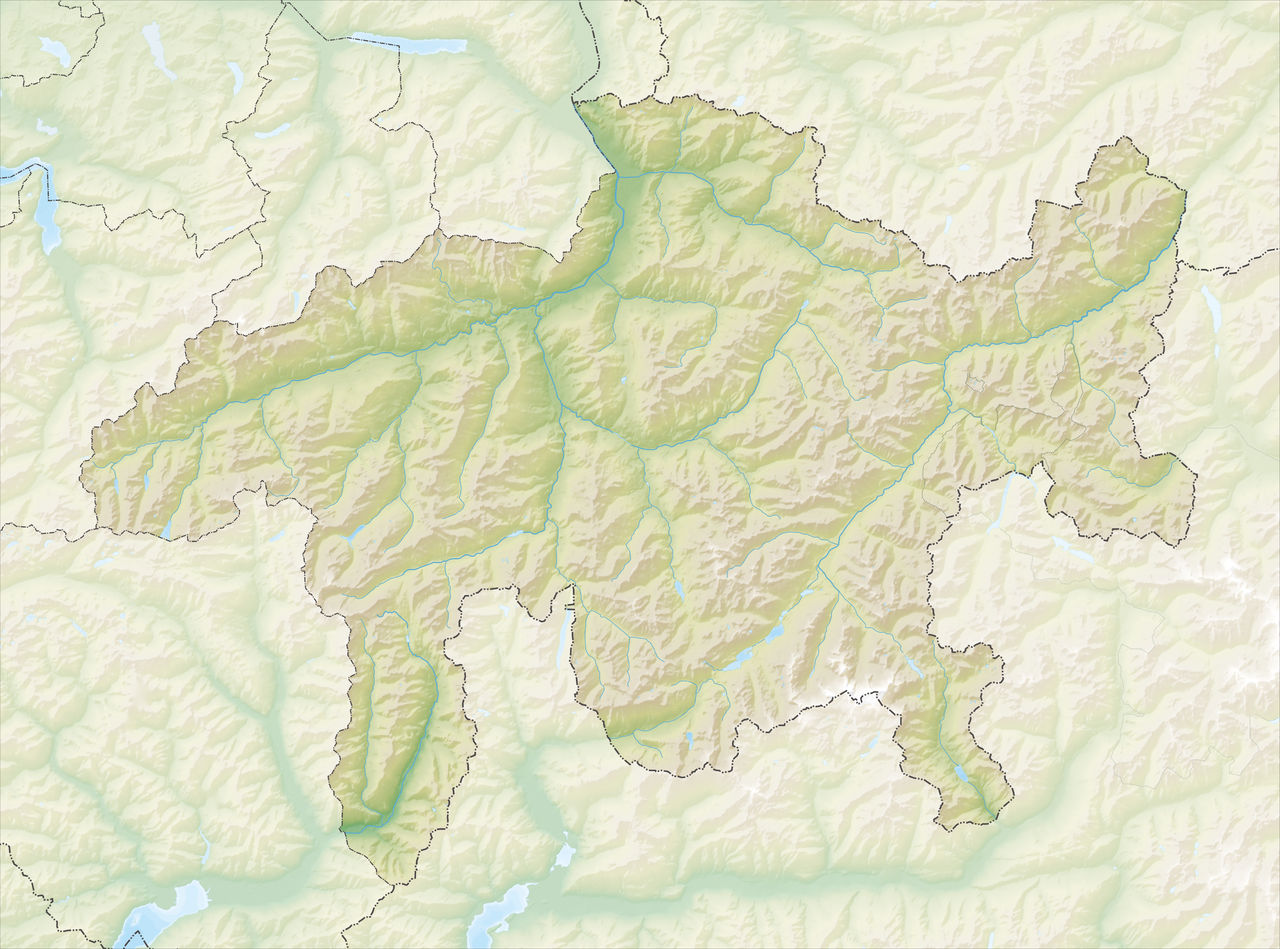
Domleschg is a municipality in the Hinterrhein district of Graubünden, Switzerland, created on 1 January 2015 by merging five former municipalities in the Domleschg valley.
Overview
Domleschg is a Swiss municipality in the district of Hinterrhein, located in the canton of Graubünden (Grisons), in the country of Switzerland. The present municipality was established on 1 January 2015 as part of a local consolidation process intended to streamline administration and services. The new entity is often referred to by the valley name, Domleschg, and information about its municipal organization and public services can be found on the municipal portal website.
Image gallery
9 Images


Constituent communities
Domleschg was created by the merger of five formerly independent municipalities. These constituent communities retain local identity and are frequently mentioned in guides and records:
Geography and landscape
Domleschg lies in a narrow valley carved by the Posterior Rhine. The landscape combines river terraces, agricultural land, and wooded slopes. Its setting has long shaped local livelihoods and settlement patterns, with villages clustered along transport routes and cultivable land. The valley is known regionally for its scenic views and cultural landmarks.
History and development
The area of Domleschg has a layered history typical of Graubünden: small rural communities, medieval estates and trade routes that crossed Alpine passes. Over time, administrative reforms and demographic shifts prompted the consolidation of smaller municipalities into larger units to improve governance and public services; the 2015 merger that created Domleschg is an example of that trend.
Economy, culture and services
The local economy mixes agriculture, small businesses, tourism and commuter activity toward larger towns. Cultural life reflects the multilingual heritage of Graubünden, with traditions, festivals and local architecture that attract visitors. Municipal services now operate at the unified level, coordinating schooling, planning and infrastructure across the former municipalities.
Points of interest and transport
The Domleschg valley contains numerous historical sites and walking routes typical of the region. Visitors and residents use regional roads and public transport connections to reach neighboring valleys and urban centers. For administrative matters, tourism information and current events, consult the municipal resources available through the linked municipal and regional portals above.
Related articles
Author
AlegsaOnline.com Domleschg (municipality in Graubünden, Switzerland) Leandro Alegsa
URL: https://en.alegsaonline.com/art/28315
Sources
- bfs.admin.ch : "Arealstatistik Standard - Gemeinden nach 4 Hauptbereichen"
- bfs.admin.ch : "Ständige Wohnbevölkerung nach Staatsangehörigkeitskategorie Geschlecht und Gemeinde; Provisorische Jahresergebnisse; 2018"