
Dominance (ethology)
Dominance in ethology describes repeated asymmetrical relationships in which one animal gains priority access to resources and influences interactions with conspecifics.
Dominance in ethology describes a recurring pattern of social relationships by which one individual reliably gains priority access to resources, mates or preferred locations over another. It is a property of interactions between individuals rather than an intrinsic label: dominance exists as a relationship that can be traced across multiple encounters. Researchers study dominance to understand how social order reduces conflict, organizes groups, and affects individual fitness.
Image gallery
5 Images


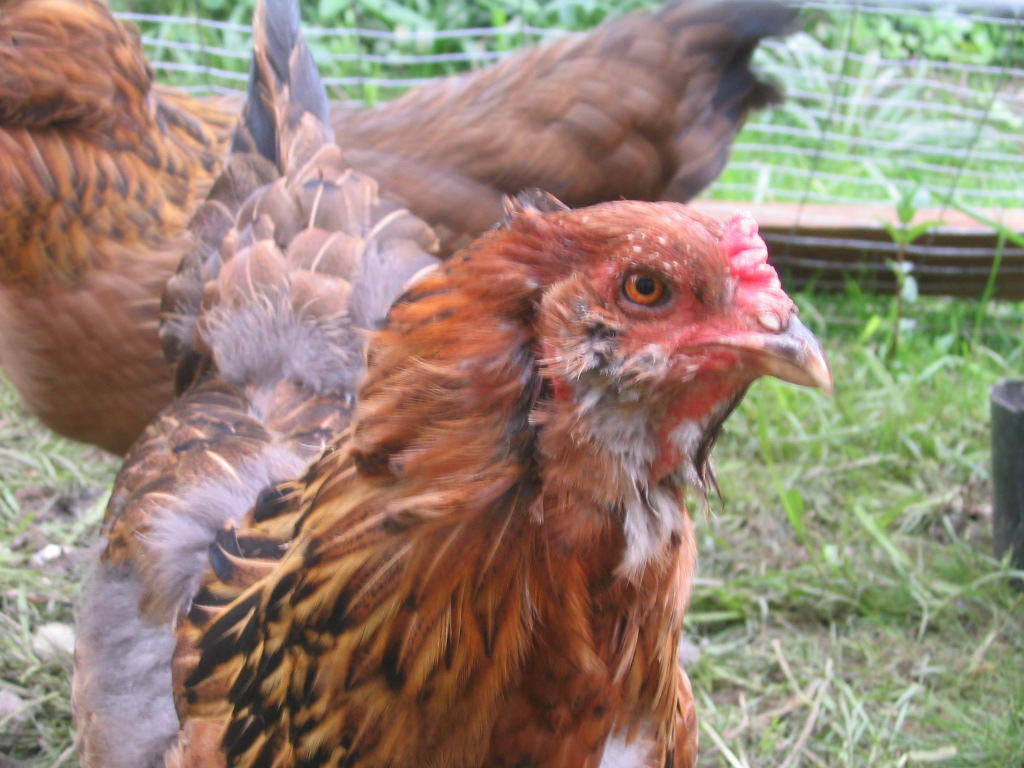

Key characteristics
Dominance relationships are typically asymmetric and often stable over time, but they can change with age, season, or social context. They are expressed through behavior: access to food, priority of movement, winning contests, or receiving affiliative actions. Subordinate animals often display specific submissive signals or avoidant behaviors that reduce the need for repeated fights.
How dominance is established and signaled
Animals use a variety of cues to establish rank, from direct aggression and physical contests to ritualized displays, vocalizations, scent marking, or postural signals. These interactions fall within the broader study of behavior in many animal species. Long-term observation allows ethologists to build dominance matrices and hierarchies that summarize who tends to prevail in dyadic encounters.
Functions and examples
Dominance reduces the frequency and severity of fights by creating predictable expectations about who will yield. It can structure pairings and alliances, influence reproductive opportunities, and affect access to resting sites or shelter. Examples are familiar in many taxa: hierarchical packs of canids, linear hierarchies in some bird flocks, and complex dominance systems among primates where coalitions and social bonds matter.
- Priority access: dominant individuals often feed or mate first.
- Conflict management: dominance lowers the cost of repeated fighting.
- Social influence: high-status animals can shape group movements and decisions.
Variations, limitations and common misconceptions
Dominance is context dependent. An animal dominant in feeding may be subordinate in mating or parental contexts; thus rank is not a single absolute quality. The popular term "alpha" oversimplifies many systems and can mislead when applied without nuance. Dominance is distinct from leadership, territoriality, or cooperation, though it often interacts with these processes. Scholars emphasize careful observation and clear operational definitions when describing social status and rank in studies.
Understanding dominance helps explain patterns of aggression, cooperation and social structure across species and provides insight into how animals balance competition and stability in social life.
Related articles
Author
AlegsaOnline.com Dominance (ethology) Leandro Alegsa
URL: https://en.alegsaonline.com/art/28289