
Dodge Durango
American mid-size to full-size SUV introduced in 1998; known for three-row seating, V6/V8 powertrains, towing capacity, and later platform sharing with the Jeep Grand Cherokee.
Overview
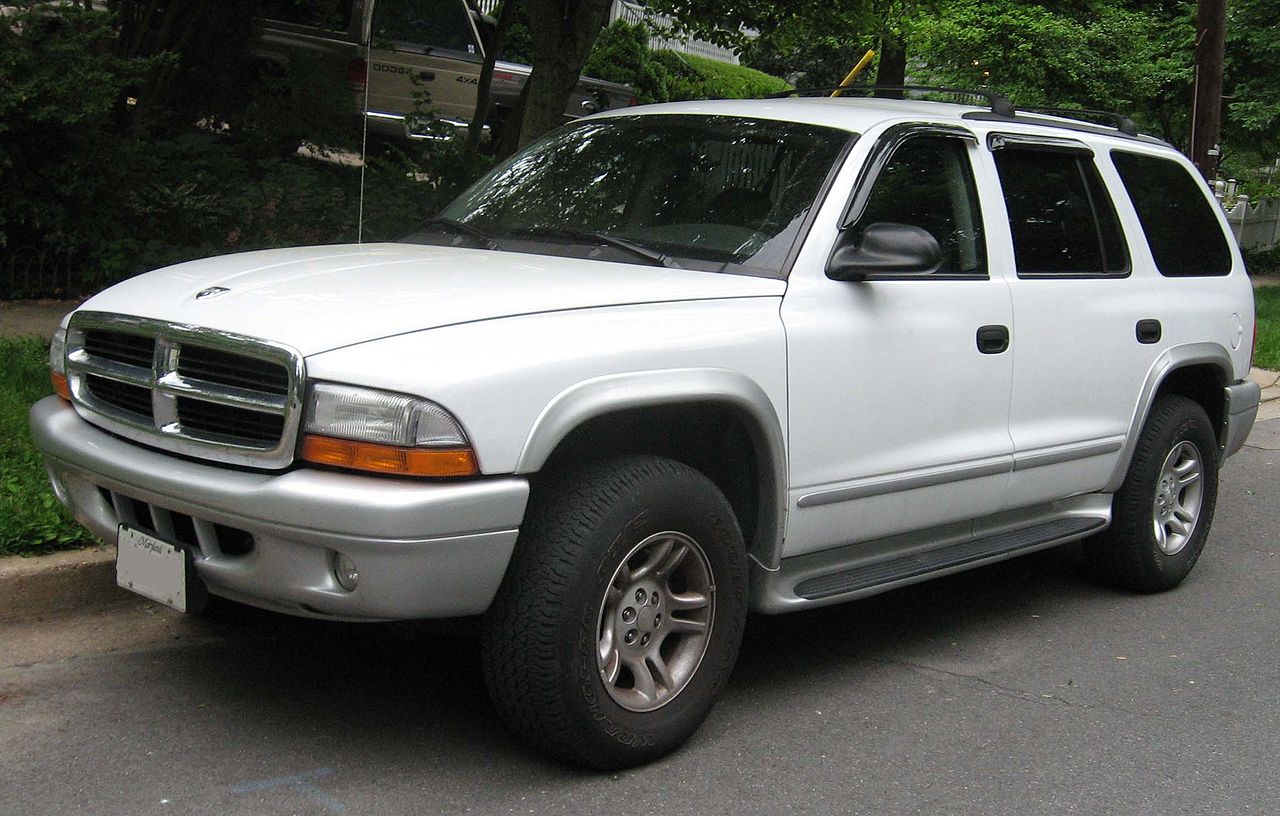
The Dodge Durango is an American sport utility vehicle marketed by Dodge, a division of Chrysler. Launched in 1998, the Durango has been produced in multiple generations that shifted in size and construction over time. It is best known as a three-row SUV offered with both V6 and V8 engines, a focus on towing ability, and a variety of trims from family-oriented models to high-performance versions. For manufacturer information see Chrysler and the brand page at Dodge.
Image gallery
10 Images




Design and characteristics
Early Durangos were built on a truck-derived platform and combined pickup-truck durability with SUV passenger space. They typically offer seating for up to seven, an available third row, and a cargo area suited to family and utility use. Powertrain options have included naturally aspirated V6 engines and several V8s; higher-performance trims have been offered under Dodge's sport-tuned subbrands. Common attributes across generations include rear-wheel-drive architecture (with optional all-wheel or four-wheel drive), substantial towing capacity, and a range of safety and convenience equipment depending on trim level.
History and development
The Durango arrived in the late 1990s during a period of rapid SUV growth. The first generation emphasized a mid-size footprint with truck-based underpinnings. Later generations grew in scale and capability as consumer demand shifted toward larger, more car-like SUVs. Production paused after the late 2000s as the company reorganized, and the model was reintroduced in the early 2010s on a platform shared with the Jeep Grand Cherokee; this later architecture moved toward more monocoque-like construction while retaining strong towing and performance options. For a timeline reference see the model years at historical listings.
Uses, trims and notable variants
- Family transport: common as a three-row family vehicle with flexible seating and cargo arrangements.
- Towing and utility: marketed with trailer towing capacities that appeal to recreational and light-commercial users.
- Performance models: Dodge offered sport-focused editions combining larger V8s, upgraded suspensions and distinctive styling cues.
- Fleet and law enforcement: modified Durangos have been used in police and fleet roles in some jurisdictions.
Distinctions and legacy
The Durango is notable for evolving from a truck-based mid-size SUV into a larger vehicle that, in later life, shared engineering with the Jeep Grand Cherokee platform. This shift reflected broader industry trends toward improving on-road comfort and efficiency while preserving towing and performance capabilities. The model has been a recognizable part of Dodge's SUV lineup and remains a familiar choice where a balance of passenger space and drivetrain strength is required. Manufacturer pages and additional resources can be consulted at brand overview and technical or press materials at platform details.
Note: The Durango has appeared in multiple trim levels and configurations over its production life; specifics such as horsepower, towing figures, and exact model-year changes vary by market and year.
Related articles
Author
AlegsaOnline.com Dodge Durango Leandro Alegsa
URL: https://en.alegsaonline.com/art/28166