
Chrysler (American automobile manufacturer)
Chrysler is a long-established U.S. automobile marque known for passenger cars, minivans and trucks; it has undergone multiple ownership changes and is linked to brands such as Dodge and Jeep.

Chrysler is an American automobile manufacturer with a long history in passenger cars, vans and light trucks. Founded from the Maxwell Motor Company and reorganized under Walter P. Chrysler in the mid-1920s, the company grew into one of the major U.S. automakers. Over the decades it launched notable vehicle types, developed performance and engineering innovations, and became the parent of several well-known marques. For corporate information and current product lines, see Chrysler.
Image gallery
10 Images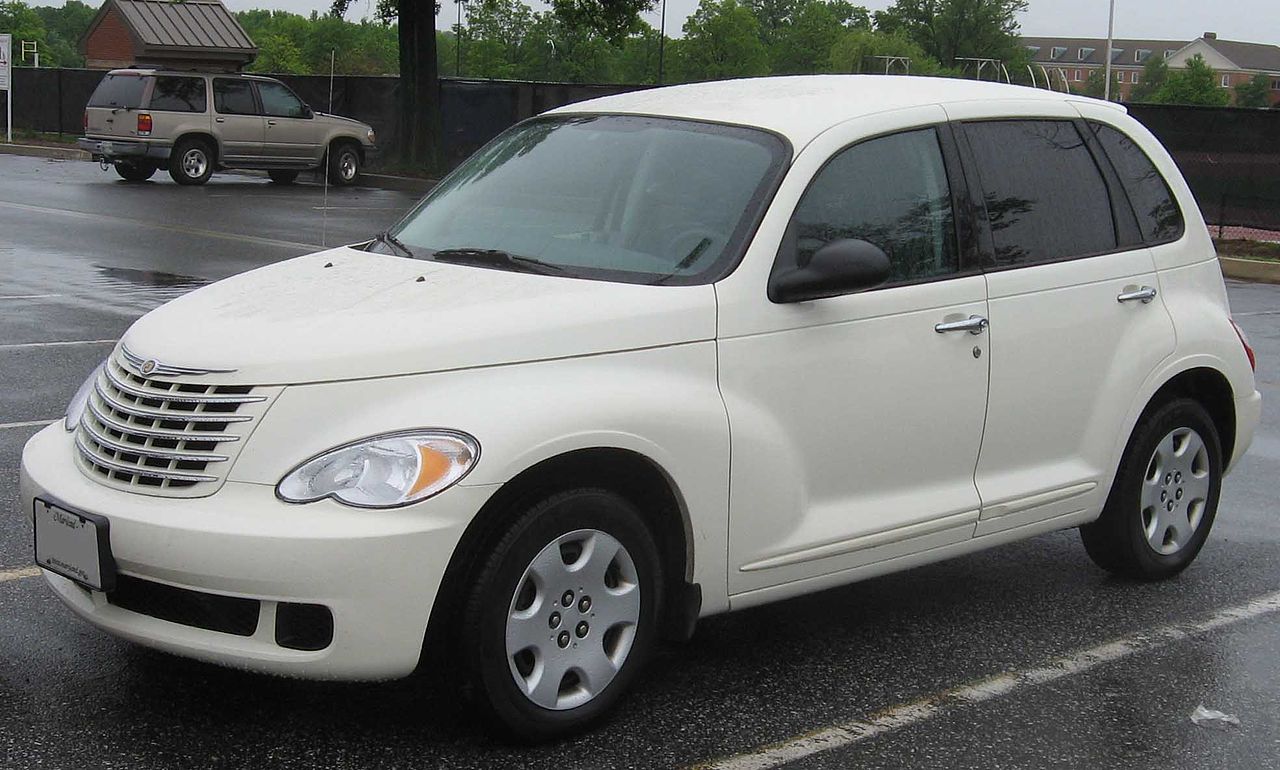


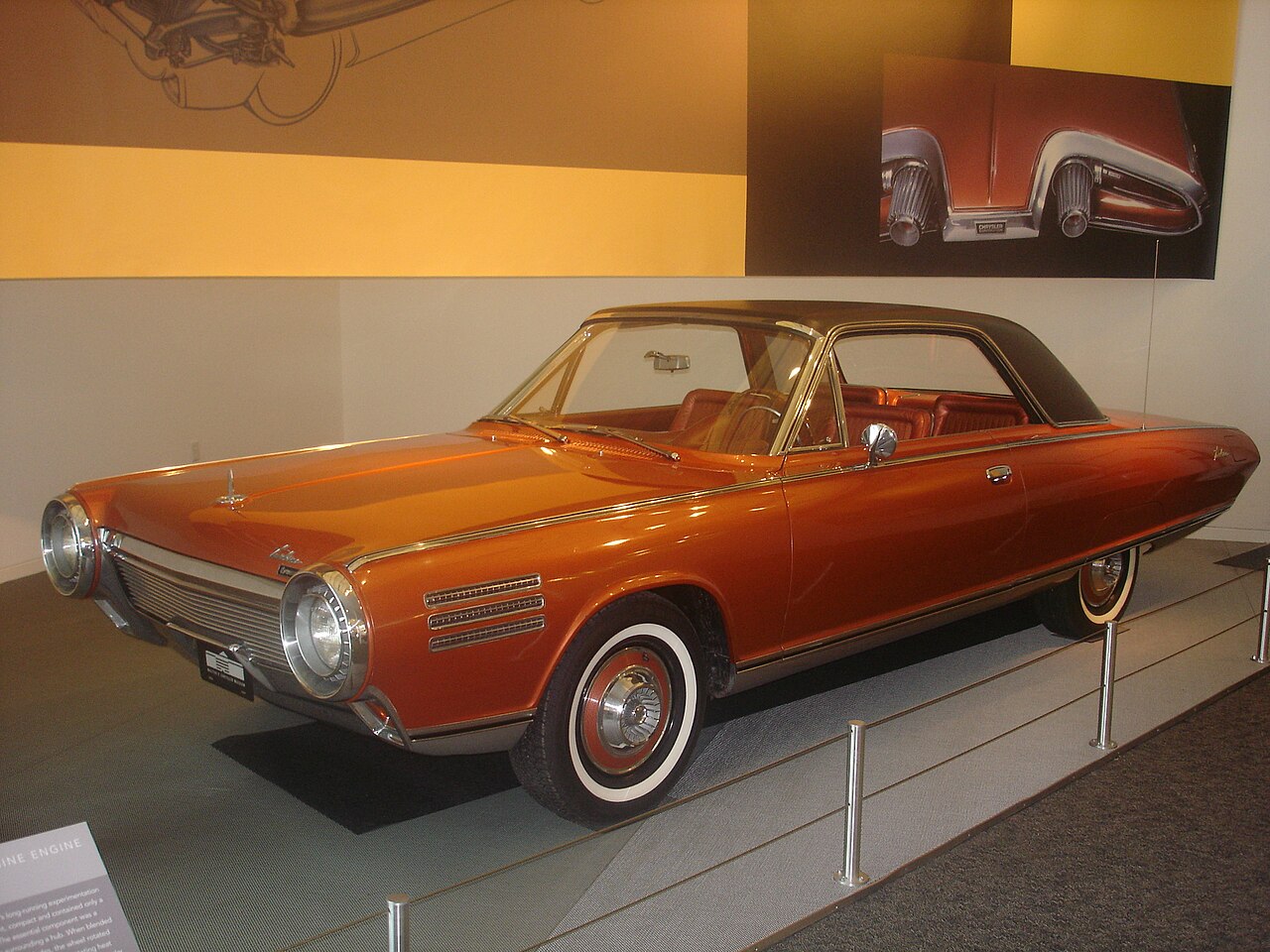


History and development
The company that became Chrysler was built around the engineering and management legacy of Walter P. Chrysler in the 1920s. Through the 20th century Chrysler expanded by introducing new vehicle platforms and by acquiring other firms. It weathered severe financial difficulties more than once, including a near-collapse in the late 1970s that led to a government-backed rescue and revitalization under leaders such as Lee Iacocca. In the late 20th century the firm pursued consolidation and alliances: it acquired assets from the American Motors Company in the late 1980s and later entered a transatlantic merger with Daimler-Benz to form DaimlerChrysler in 1998. That partnership ended in the 2000s, and the company experienced ownership by private investors and a widely publicized bankruptcy restructuring in 2009.
Brands, products and organization
Chrysler historically operated or controlled multiple marques. At various times the group included names such as Plymouth, DeSoto, Imperial and Valiant; many of these were discontinued over the years. Today the Chrysler name sits alongside two major North American brands: Dodge, known for cars and performance models, and Jeep, an iconic off-road and SUV brand. Following corporate reorganizations, Ram became a distinct truck brand focusing on pickup trucks and commercial vehicles. Chrysler vehicles have ranged from compact cars and family sedans to minivans and crossover SUVs.
Innovations and market impact
Chrysler's product and engineering contributions include the popularization of the minivan in the United States and the development of efficient front-wheel‑drive platforms such as the K‑car architecture, which aided the company's recovery in earlier decades. The firm has also been associated with performance engineering—Hemi engines and muscle-era vehicles remain notable parts of its legacy—and with the Mopar parts and service identity that supports enthusiasts and owners. These contributions influenced vehicle packaging, family transportation, and performance niches in the U.S. market.
Corporate changes and ownership
After the breakup of the Daimler partnership, Chrysler was controlled by private equity before restructuring in the late 2000s. The 2009 bankruptcy and subsequent alliance with Fiat of Italy led to a close operational relationship and ultimately to the creation of a combined corporate group often referred to by the abbreviation FCA. Today Chrysler operates within a larger multinational structure; for historical and corporate details see materials from Fiat and related corporate sources.
Notable facts and legacy
- Chrysler played a central role in creating vehicle segments such as the American minivan and in reviving U.S. auto manufacturing at several points in the 20th century.
- Its collection of brands has shifted repeatedly; survivors include Chrysler, Dodge and Jeep, while Ram now functions as a separate truck division.
- The company's complex corporate history—mergers, acquisitions, bankruptcies and alliances—illustrates broader trends in the global automotive industry in the late 20th and early 21st centuries.
Although the Chrysler name today represents a smaller slice of a multinational enterprise than at its peak, it remains a recognizable American automotive marque with a legacy of engineering, product innovation and memorable vehicles that continue to influence the industry.
Related articles
Author
AlegsaOnline.com Chrysler (American automobile manufacturer) Leandro Alegsa
URL: https://en.alegsaonline.com/art/20239