
Don Juan (Byron): a satirical epic poem
Don Juan is Lord Byron's long, ironic narrative poem that reverses the legendary seducer into a passive hero. It blends satire, digression, and ottava rima across an unfinished sequence of cantos.
Don Juan is a long narrative poem by George Gordon Byron that transforms the famous legend into a vehicle for satire and social commentary. Byron adopts a playful, conversational narrator who frequently digresses, mixing comic episodes with serious reflection. The poem treats its protagonist not as a triumphant seducer but as a young man often seduced by women, reversing expectations to expose social hypocrisy.
Image gallery
10 Images


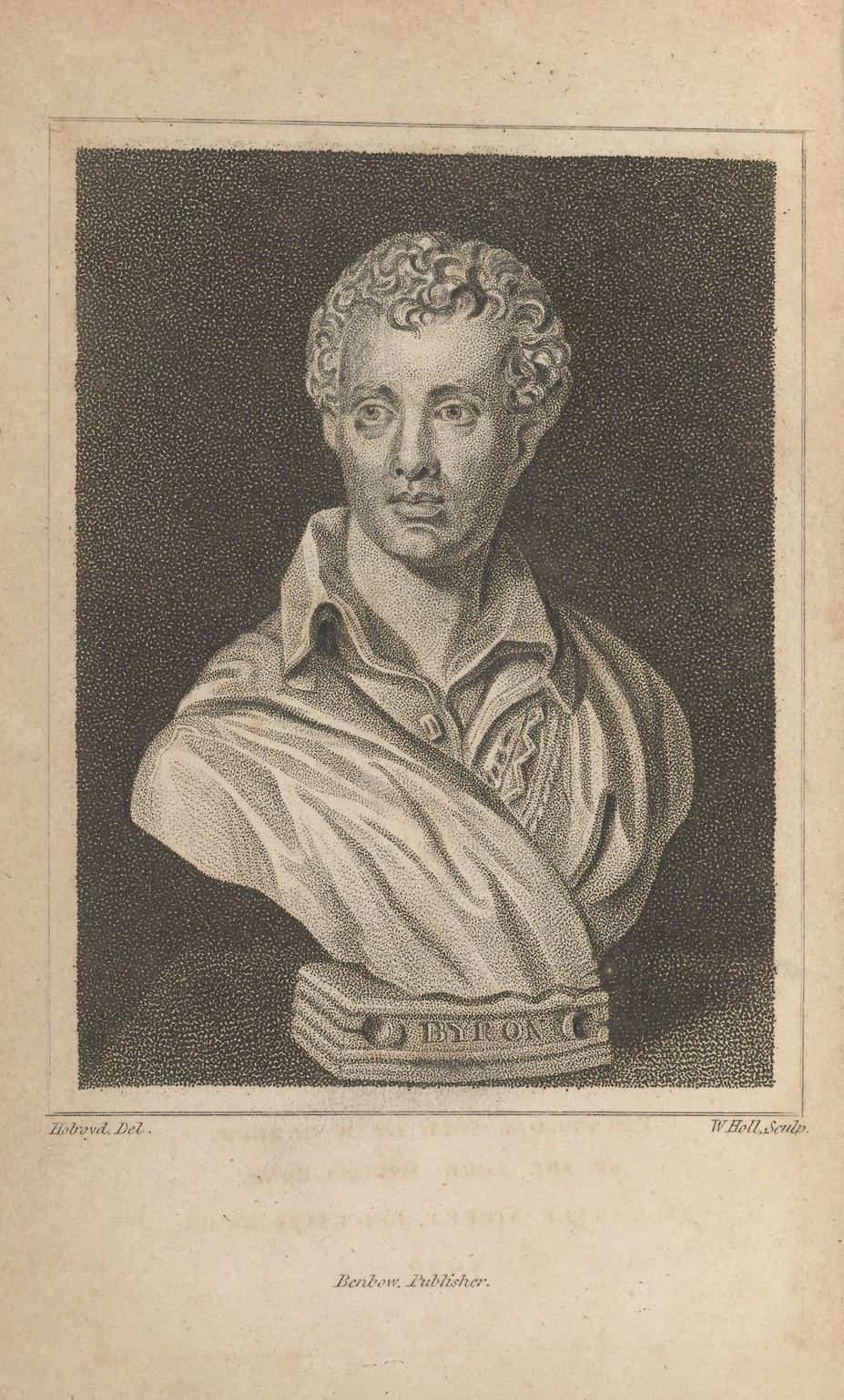
Overview and composition
Begun in the late 1810s and issued in parts between 1819 and the mid-1820s, the work remained unfinished at Byron's death. It is commonly published in a sequence of cantos and is notable for its episodic, travel-like structure that moves across Europe and beyond. Readers can consult contemporary introductions or critical studies via Don Juan resources and biographies of Lord Byron for further context.
Form and style
Byron wrote Don Juan in ottava rima, an eight-line stanza with a flexible mix of mock-heroic and lyrical effects. The stanza allows witty rhymes and abrupt tonal shifts, enabling the narrator to alternate between irony, moral observation, and affectionate storytelling. The voice is intrusive and self-aware, a hallmark of Byron's satirical technique.
Themes and plot elements
The poem combines adventure, romance, and social satire. Major themes include the inversion of legends, critique of sexual double standards, the follies of high society, and responses to war and politics. Plot episodes range from domestic misadventures to foreign voyages, often highlighting cultural contrast and human folly.
Reception and influence
At publication Don Juan provoked both admiration for its wit and moral outrage for its frankness. Critics praised its energy and linguistic inventiveness while some contemporaries found its tone scandalous. It influenced later satirists and novelists who admired Byron's narrative freedom and ironic narrator.
Notable facts
- Don Juan subverts the traditional legend by portraying the title figure as susceptible rather than dominant.
- The poem is unfinished, leaving its final shape open to interpretation.
- Its blend of comedy and seriousness makes it a landmark of Romantic irony and narrative experimentation.
Related articles
Author
AlegsaOnline.com Don Juan (Byron): a satirical epic poem Leandro Alegsa
URL: https://en.alegsaonline.com/art/28357