
Divisions of Pakistan: administrative tier and its evolution
Overview of Pakistan's former divisional administrative tier: structure, history from British India to abolition in 2000, later reversals, roles, and distinctions within Pakistan's governance.
Overview
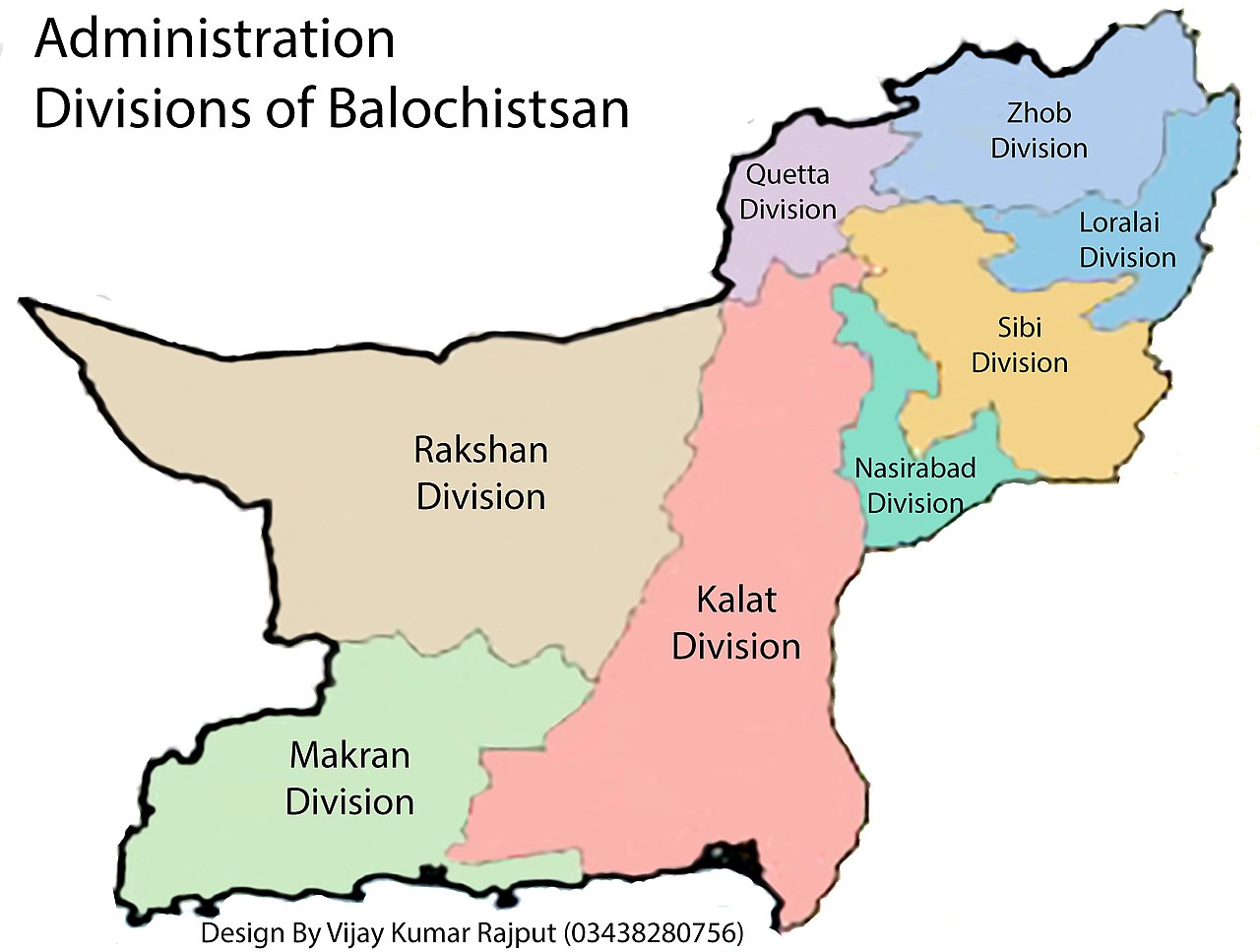
The divisions of Pakistan were an intermediate level of administration between provinces and districts. Established during the British colonial era and inherited at independence, divisions grouped several districts for coordination of administration, revenue and law enforcement. The system applied across Pakistan's provinces and in territories administered by Pakistan, with the number and boundaries changing over time.
Image gallery
10 Images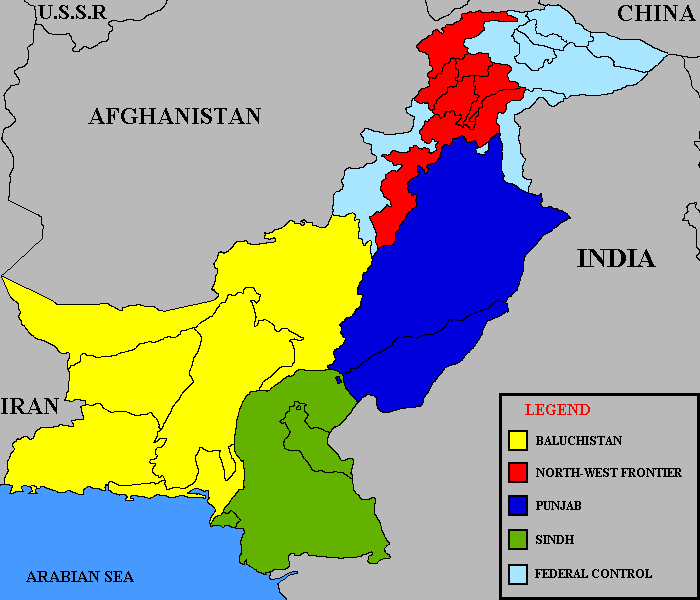



Structure and functions
Each division was headed by a senior civil servant, commonly called a divisional commissioner, who supervised district officials, coordinated multi-district services and managed certain development, revenue and policing tasks. Divisions typically contained multiple districts (zillas), and those districts were in turn subdivided into tehsils and union councils. Typical divisional responsibilities included overseeing inter-district planning, disaster response, and acting as an appellate or supervisory layer for district-level decisions.
Historical development
The divisional system traces its roots to administrative arrangements created under British India and was carried into the structures of the newly independent state. During the period of United Pakistan the country had as many as 37 divisions, a number reduced to 33 after the secession of East Pakistan (now Bangladesh) in 1971. Over the decades boundaries and names shifted as provinces reorganized districts and as population centers grew.
Abolition in 2000 and subsequent changes
In 2000, national reforms reorganized local government and formally abolished divisions as an administrative tier, transferring many functions to district governments in an effort to devolve power. The change was part of broader local government reforms implemented at that time. In the years that followed some provincial governments restored divisions or kept divisional boundaries in use for certain administrative, planning or police purposes, creating a mixed picture across the country.
Uses, examples and significance
Divisions served practical roles in governance: they provided a platform for managing services that cross district borders, harmonizing resource allocation, and supervising district administration. Because boundaries could reflect geography, historical ties, or administrative convenience, divisions sometimes became shorthand for regional identity and statistical reporting. Researchers and planners still refer to former divisions when comparing historical datasets or describing multi-district projects.
Notable distinctions and further reading
Not every province treated the divisional tier identically; practice and terminology varied. For concise background on Pakistan's overall administrative layout see general country references such as Pakistan and material about the region of Kashmir at Kashmir. For broader historical context refer to sources on British India administration British India and summaries of the 1971 territorial changes Bangladesh. These sources provide complementary perspectives on why the division tier existed and how it has evolved.
Related articles
Author
AlegsaOnline.com Divisions of Pakistan: administrative tier and its evolution Leandro Alegsa
URL: https://en.alegsaonline.com/art/27995