
Doaba — Punjab's land of two rivers
Doaba is the fertile region of Indian Punjab between the Beas and Sutlej rivers, known for high agricultural productivity, its role in the Green Revolution, and a distinctive social and diaspora profile.
Overview
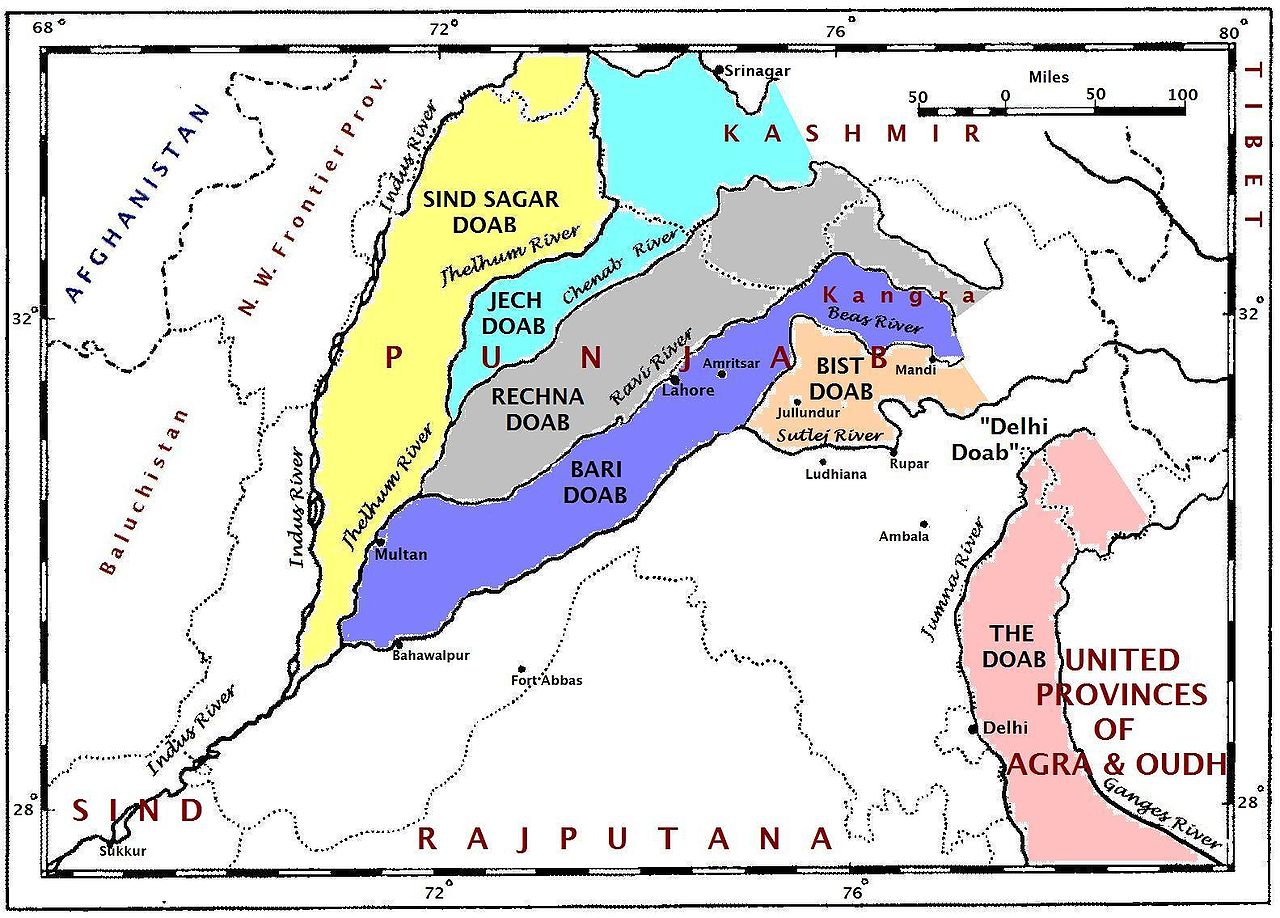
Doaba (Urdu: دوابہ) is the area of Punjab lying between the Beas and Sutlej rivers. The name is derived from Persian elements meaning "two waters" — "do" (two) and "ab" (water) — an origin often cited in regional etymologies: etymology reference. The region is an alluvial plain with rich soils and an agricultural focus that has shaped its economy and society for centuries.
Image gallery
10 Images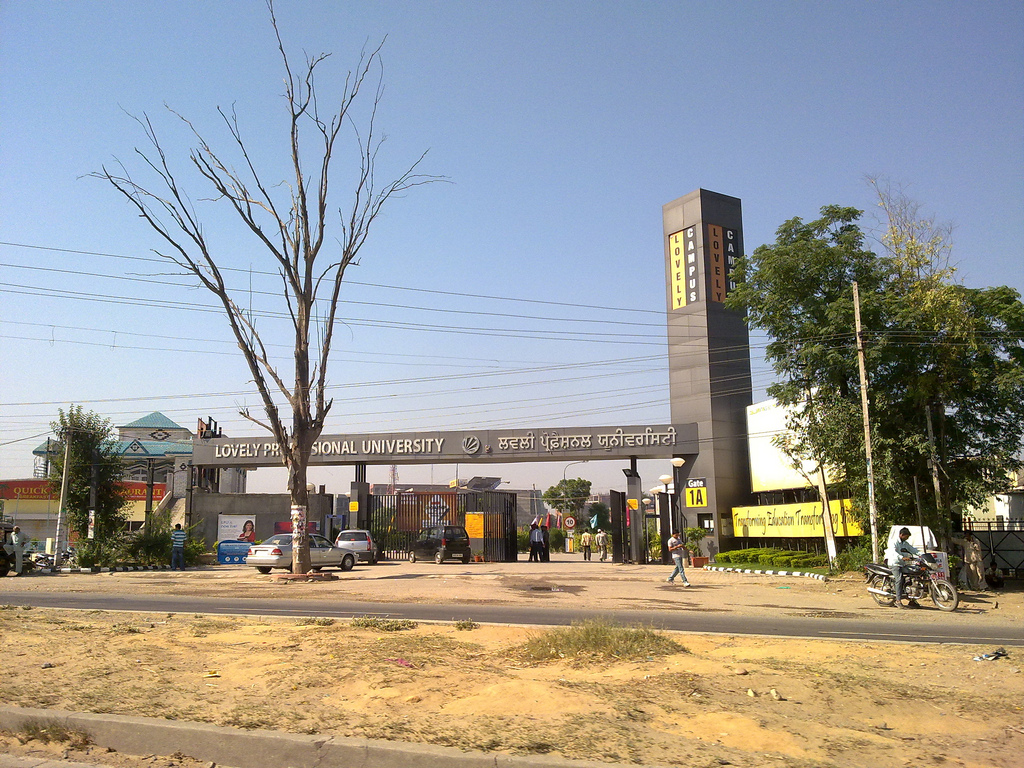




Geography and agricultural character
The land between the two rivers is formed by repeated silt deposition, producing deep, fertile soils well suited to intensive cropping. Extensive irrigation networks and groundwater use have supported cereal cultivation; wheat is a dominant crop and the area remains one of the world's higher per-capita wheat-producing zones. Its fertility and irrigation infrastructure contributed directly to the adoption of high-yield varieties and modern farming methods.
History and development
In the mid-20th century Doaba was a focal point of agricultural modernization in India. The region embraced improved seeds, mechanization, and fertilizer use during what is commonly called the Green Revolution: Green Revolution studies. Those changes substantially increased yields, altered rural labor patterns, and stimulated ancillary industries.
Economy, society, and diaspora
Though agriculture remains important, Doaba's population has diversified into education, small industry, services, and entrepreneurship. High rates of literacy and schooling helped produce professionals who have migrated abroad; the region has a notable emigrant community in Europe, North America and elsewhere. Remittances and transnational links have influenced local investment, housing, and business patterns.
Characteristics and notable facts
- Hydrology: defined by the two rivers that frame it and by man-made irrigation.
- Soils: fertile alluvial deposits that support multiple cropping cycles.
- Economic shift: from near-exclusive farming to a mix of agriculture, education, sports and entrepreneurship.
- Cultural influence: the region's social institutions and diaspora play an outsized role in local development.
Today Doaba is recognized both for its agricultural productivity and for social transformation that links rural land use with global migration, education, and business activity. For further regional context and detailed studies, consult dedicated historical and agricultural sources using the references above.
Related articles
Author
AlegsaOnline.com Doaba — Punjab's land of two rivers Leandro Alegsa
URL: https://en.alegsaonline.com/art/28092