
Divandarreh: city in Iran's Kurdistan province
Divandarreh is a Kurdish-speaking city in Iran's Kurdistan province. It serves as a local administrative center, has a mainly Muslim population, and a mixed agricultural and pastoral economy.
Overview
Divandarreh (Kurdish: Dîwandere, Persian: دیواندره) is an urban center in the northwest of Iran located within Kurdistan province. The city functions as the administrative hub of its county and is part of the mountainous region traditionally inhabited by Kurdish communities.
Image gallery
2 Images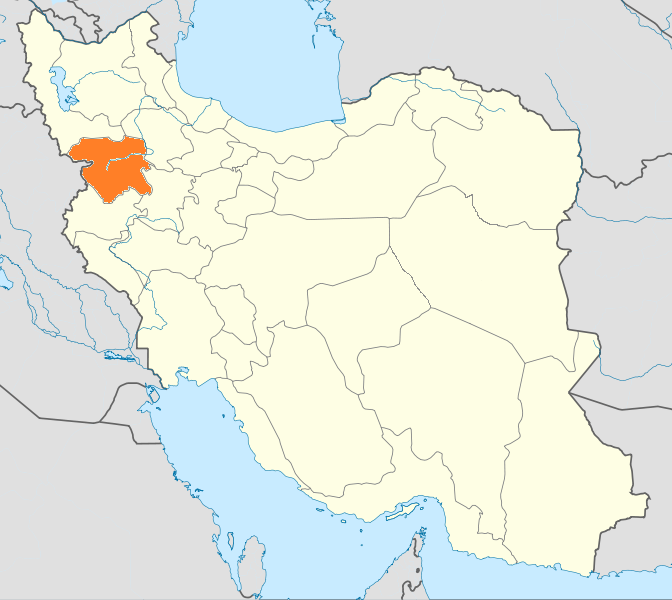

Population and language
The residents of Divandarreh predominantly speak Kurdish and maintain cultural practices associated with the broader Kurdish population of the region. Their religious affiliation is mainly Muslim (see religion), and at the 2006 national census the city recorded 22,842 inhabitants in 5,305 families. More recent counts vary, reflecting rural-to-urban migration and demographic change.
Geography and climate
Set near the foothills of the Zagros range, Divandarreh experiences a continental, often cool climate with marked seasonal variation. The surrounding landscape is a mix of valleys and highlands, where terraces and pastures shape local land use. This mountainous setting influences transport, settlement patterns, and agricultural choices.
Economy and infrastructure
The local economy centers on agriculture, livestock rearing and small-scale trade. Markets in the city connect surrounding villages with regional centers, while roads link Divandarreh to larger towns in Kurdistan province. Public services and infrastructure have expanded unevenly, typical of many mid-sized towns in the area.
History and administration
Divandarreh has long been part of Kurdish cultural territory. In modern administrative terms it serves as the seat of Divandarreh County within Iran's provincial system. Historical details are rooted in local tribal, agricultural and trade patterns rather than a single founding event.
Quick facts
- Location: Kurdistan province, Iran (province).
- Local name variants: Dîwandere (Kurdish), دیواندره (Persian).
- Language: predominantly Kurdish.
- Religion: mainly Muslim (religion).
- Population (2006): 22,842 in 5,305 families.
As a regional center, Divandarreh illustrates the interaction of mountainous geography, Kurdish cultural identity and local agricultural livelihoods. For more detailed administrative, demographic or cultural information consult specialized regional sources.
Related articles
Author
AlegsaOnline.com Divandarreh: city in Iran's Kurdistan province Leandro Alegsa
URL: https://en.alegsaonline.com/art/27792
Sources
- web.archive.org : "Wayback Machine"