
Diptych
A diptych is a two-part work—originally hinged writing tablets and later paired panels or images—used across art, devotion, literature and photography to present linked subjects or narratives.
Overview
A diptych is any artwork or object composed of two panels, leaves or parts intended to be read together. The word comes from Greek roots meaning "two-fold." Historically the term applied first to hinged writing tablets; over time it came to describe paired painted or carved panels, portable altarpieces and other two-part compositions in the visual arts.
Image gallery
10 Images


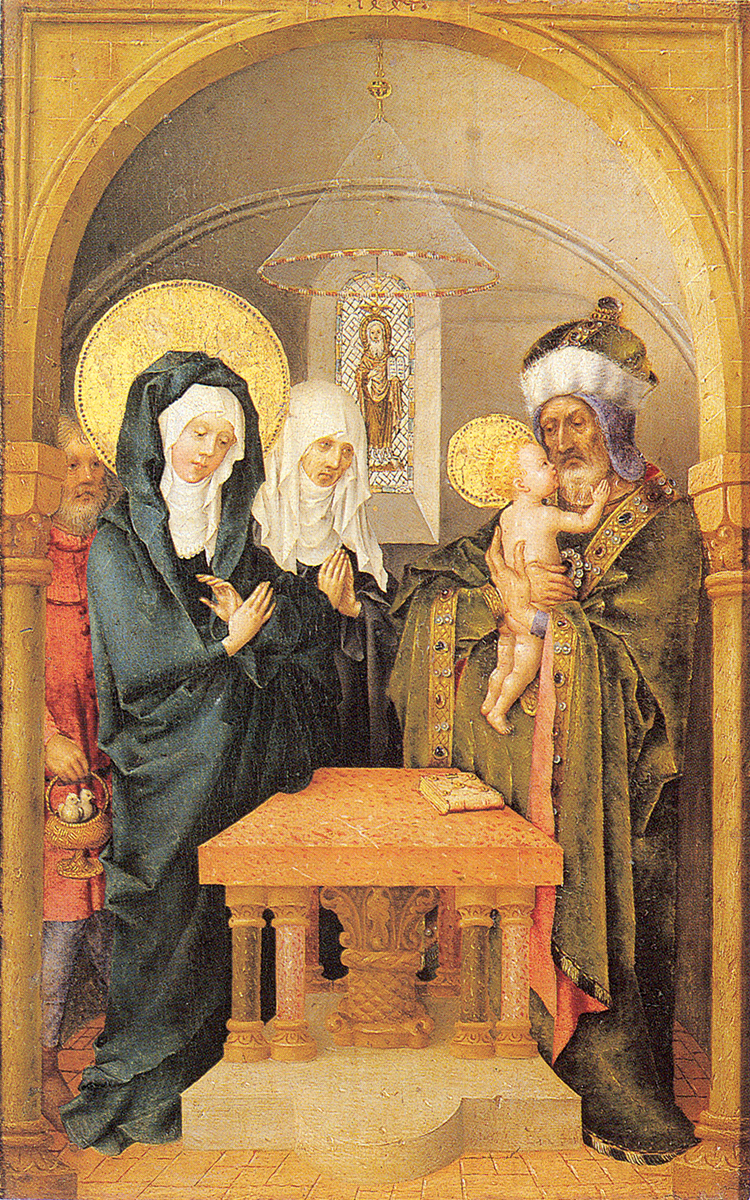


Etymology and early use
Originally a practical format, diptychs in antiquity were two wooden tablets coated with wax and joined by a hinge so writing could be closed and protected. In later periods, especially in late antiquity and the Byzantine world, elaborately carved ivory or metal diptychs were produced as ceremonial gifts or official tokens.
History and development
During the Middle Ages and the Renaissance, painters and craftsmen adapted the two-panel format for devotional objects and private prayer, creating small altarpieces and paired religious scenes. The format also suited portraiture—paired likenesses of patrons or spouses—and narrative sequences that continued from one panel to the other. In modern and contemporary art, photographers and conceptual artists have adopted the diptych to stage comparisons, contrasts and visual dialogues between two related images.
Characteristics and construction
- Materials: wood, canvas, ivory, metal, paper and photographic prints, depending on era and function.
- Joining: panels may be hinged to fold together or presented side-by-side on a single support; the physical join can be functional or purely compositional.
- Scale and portability: sizes range from small, personal objects to large altarpieces intended for churches.
Compositional strategies
Artists use diptychs to mirror elements across panels, to set up contrasts (light/dark, past/present), to continue a narrative or to present complementary subjects. Because the format divides the field in two, it encourages comparison and can create tension or harmony between paired images.
Uses beyond painting
The diptych concept extends beyond panel painting: a pair of photographs, two related films presented together, companion literary works or sequential publications may be called diptychs when intended as a unit. In contemporary practice the term often denotes any deliberate two-part pairing that invites side-by-side reading.
Display, conservation and terminology
When exhibited, diptychs may be shown open or closed, mounted with a small gap or tightly abutted; conservation must respect original joinery, finishes and any hinges. The term is related to other multi-panel forms: a triptych has three panels and polyptychs have more. A "pendant" pair refers specifically to two companion works conceived as counterparts.
Significance
As a compact, versatile format, the diptych has been used across centuries to organize narrative, emphasize relationships and accommodate portable devotion. Its economy of parts—only two—is both a formal constraint and a creative opportunity for artists and makers.
Related articles
Author
AlegsaOnline.com Diptych Leandro Alegsa
URL: https://en.alegsaonline.com/art/27580