
Forensic science: methods, history, and role in the justice system
Forensic science applies laboratory and field sciences to analyze physical evidence for legal questions. This article describes major disciplines, procedures, limits, history, and how findings are used in court.
Forensic science is the application of scientific methods and principles to questions that arise in legal contexts. Practitioners collect, examine, and interpret physical and biological evidence so that findings can inform investigations, prosecutions, defenses, and civil disputes. At a crime scene investigators seek material that links people, places, and events; those findings are then tested and reported to legal actors such as a lawyer or judge to help answer factual questions about a crime or incident.
Image gallery
10 Images







Common disciplines and types of evidence
Forensic work draws on many scientific specialties. Typical areas include:
- Biology and DNA analysis — identifying individuals from bodily material and contributing to identification or exclusion; see forensic DNA testing for details.
- Fingerprint analysis and pattern comparison — recovery and matching of prints from surfaces, often critical early leads; examples include latent fingerprints.
- Trace and contact evidence — small but informative materials such as hairs, fibers, paint, glass and particulate matter; investigators routinely collect hair and minute pieces of skin or tissue like skin cells.
- Toxicology and chemistry — detection of drugs, poisons or other chemicals in biological samples.
- Pathology and forensic medicine — post‑mortem examination to determine cause and manner of death; an autopsy is a core procedure when a death is unexplained.
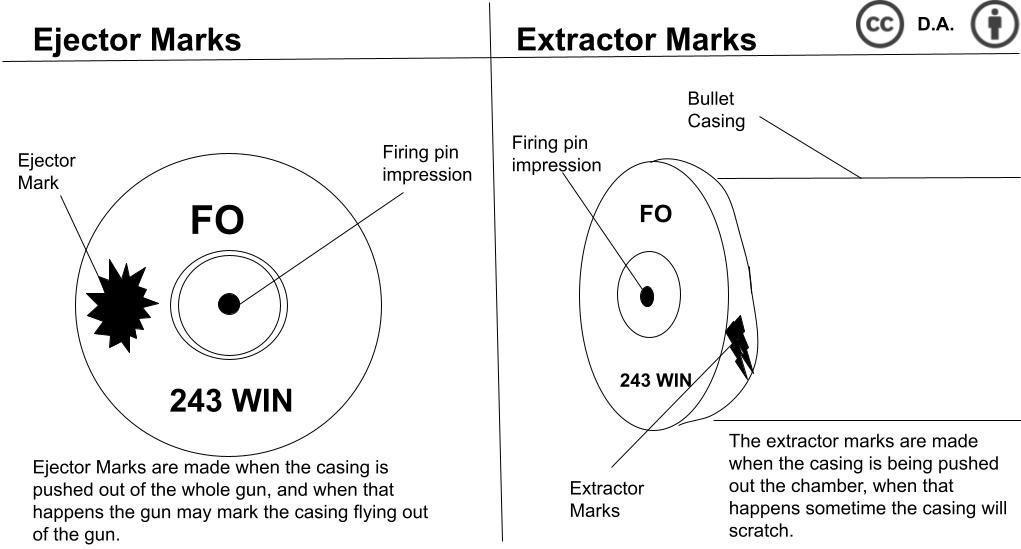
- Ballistics, toolmark and digital forensics — linking weapons, tools or electronic data to events.
How evidence is handled and analyzed
Evidence handling follows established procedures to preserve integrity. At the scene, trained technicians document location, photograph items and collect materials using methods designed to avoid contamination. Items are placed in secure packaging and transferred with a documented chain of custody to an accredited laboratory such as a forensic laboratory. Scientific testing ranges from rapid screening to lengthy, specialized analyses; results are reviewed, validated and often replicated before conclusions are reported. When experts testify, they explain methods, limits and the degree of certainty about their findings.
History, development and standards
Forensic practices developed as courts began to accept scientific evidence. Over time, methods have become more standardized and subject to quality control: accreditation of labs, peer review of techniques, proficiency testing of analysts and publication of best‑practice guidelines are now common. Advances in molecular biology and digital technologies have expanded what analysts can detect, while ongoing research evaluates and refines older techniques to reduce error.
Uses, strengths and limitations
Well‑handled forensic evidence can corroborate witness statements, identify unknown persons, establish timelines or link items to locations. However, scientific evidence is not infallible. Contamination, poor collection, biased interpretation, inadequate validation of methods and human error can lead to mistakes. Courts therefore consider the method's reliability, how samples were handled, and whether multiple, independent lines of evidence agree before reaching conclusions.
Because of its central role in investigations and trials, forensic science is subject to legal and ethical scrutiny. Practitioners must balance investigative needs with respect for rights, follow transparent protocols, and communicate uncertainty clearly. Forensic work continues to evolve as technology, standards and oversight improve to better serve justice.
Questions and answers
Q: What is forensic science?
A: Forensic science is when different fields of science work together to answer legal questions related to a crime.
Q: What is the main purpose of forensic science?
A: The main purpose of forensic science is to prove that someone was present at a place where a crime was committed.
Q: What kind of samples are commonly taken in forensic science?
A: The samples commonly taken in forensic science include fingerprints, hair, skin, and other bodily fluids.
Q: What is the process involved in forensic testing?
A: The samples taken during forensic investigation are later analyzed in a laboratory. Most forensic tests can take from 1 hour to one year, and investigators need to double (and triple) check the result to ensure that the answer is correct.
Q: What could be the consequences of a mistake made by a forensic team during investigation?
A: If a forensic team made a mistake, the wrong person could be jailed or they could get into trouble themselves.
Q: What is DNA testing and how is it useful in forensic science?
A: DNA testing is a process that involves analyzing DNA samples to determine the genetic composition of an individual. DNA testing is useful in forensic science as it helps to identify suspects based on bodily fluids such as hair, skin, and blood.
Q: What happens if the pieces of evidence match up correctly in a forensic investigation?
A: If the pieces of evidence match up correctly in a forensic investigation, and the suspect is correctly identified, the person is charged with the crime.
Related articles
Author
AlegsaOnline.com Forensic science: methods, history, and role in the justice system Leandro Alegsa
URL: https://en.alegsaonline.com/art/35625