
Philip IV of Spain (1605–1665): reign, art patronage, and Habsburg decline
Philip IV (1605–1665) ruled Spain 1621–1665. His long reign included the Thirty Years' War, loss of Portugal, internal revolts, and major artistic patronage centered on Velázquez and the royal court.
Overview
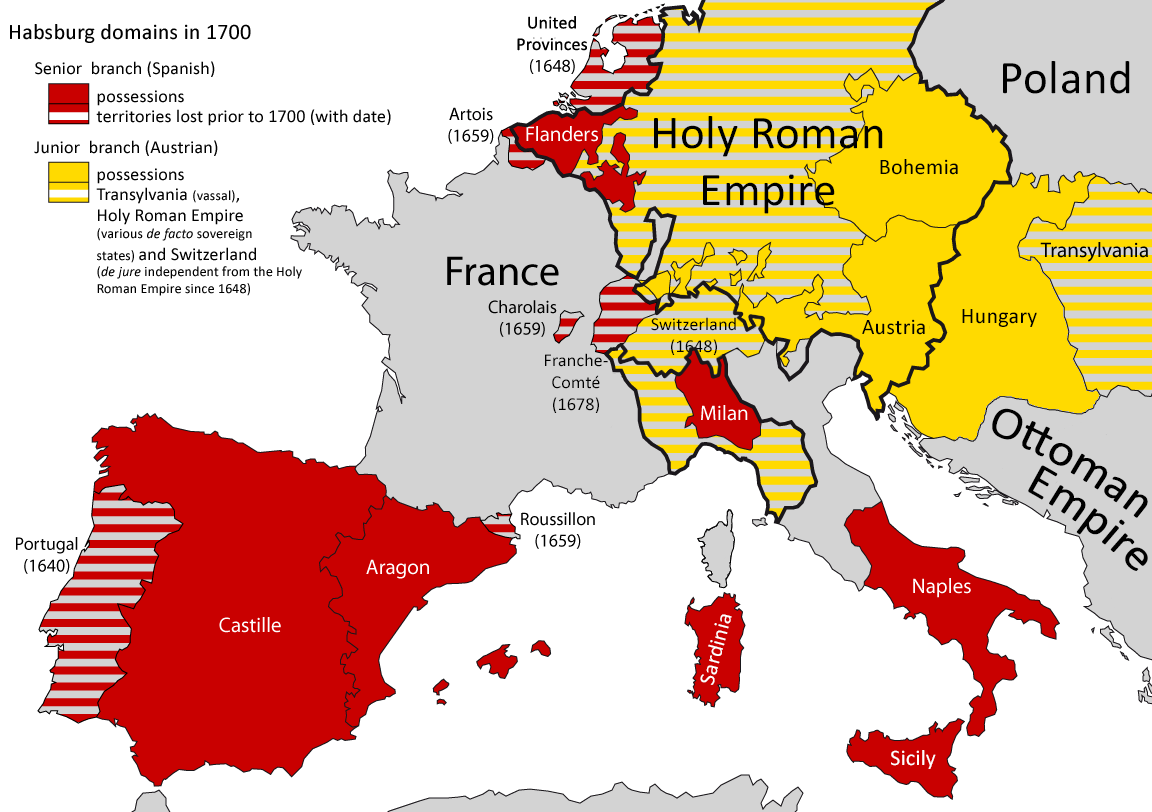
Philip IV (born 8 April 1605, died 17 September 1665) was king of Spain from 1621 until his death. In Spanish he is known as Felipe IV and in Portuguese sources as Filipe III. For much of his reign he also held sovereignty over the Spanish Netherlands and, until 1640, the Portuguese crown. His long tenure coincided with a period when the Spanish Habsburgs faced military setbacks, fiscal strain, and rising regional tensions.
Image gallery
10 Images


Reign and major conflicts
Philip's government was shaped by continental warfare and dynastic rivalry. Spain fought repeatedly in the Thirty Years' War and against France, a struggle that ended for Spain with the Treaty of the Pyrenees in 1659 and territorial concessions in the Pyrenean region. The crown also confronted powerful internal challenges: the Portuguese Restoration of Independence in 1640 removed Portugal from Spanish rule, and the Catalan Revolt and other regional uprisings tested royal authority. These conflicts strained royal finances and reduced Habsburg influence in Europe.
Domestic matters and family
Philip's domestic policy relied heavily on his ministers and favorites; governance often passed through powerful advisors rather than being centralized personally. He married twice: first to Elisabeth of France, and after her death he wed his niece Mariana of Austria to secure dynastic continuity. Many of his children died in childhood; among the survivors was his daughter Marie Thérèse, who married Louis XIV of France, and his son Charles II, who succeeded him. The succession issues and early deaths in his family contributed to the later crises of the Spanish monarchy.
Patronage, culture, and the court
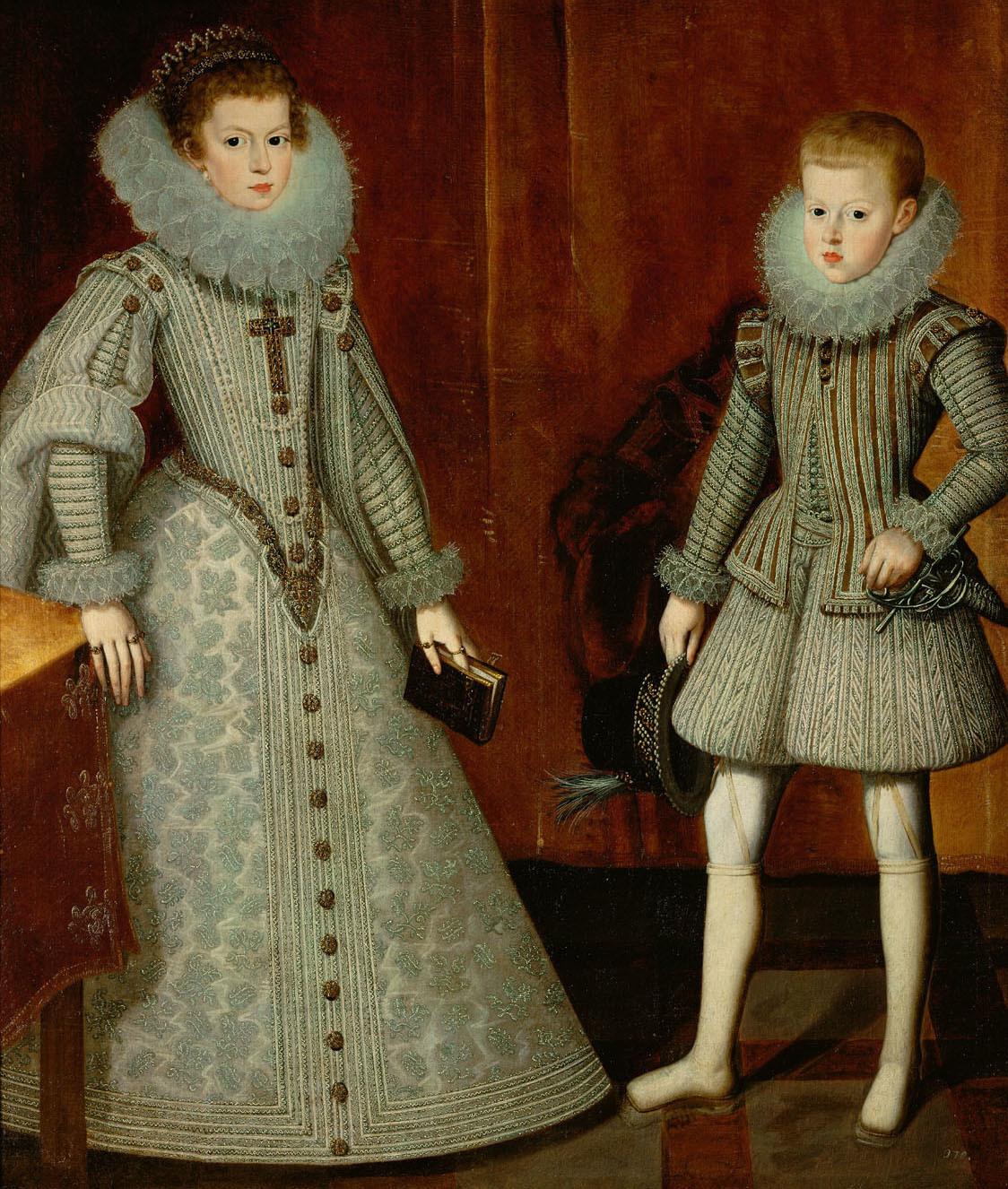
Philip IV is remembered as a significant patron of the arts. His court became a center for painters, dramatists and musicians. The most celebrated court painter was Diego Velázquez, whose portraits of the king and of court life are among the masterpieces of Spanish Baroque painting. The theatre and literature of Golden Age Spain also flourished under royal support, with dramatists such as Pedro Calderón de la Barca active during this era.
Notable events
- Persistence in the Thirty Years' War and subsequent peace negotiations.
- Loss of Portugal in 1640 and the rise of the House of Braganza there.
- Catalan Revolt and unrest in different Spanish territories.
- Court cultural revival, notably through Velázquez and royal patronage.
Legacy
Philip IV presided over a complex moment in Spanish history: one of great cultural achievement amid political and military decline. His reign is often seen as the period when the vast 16th-century Habsburg dominance gave way to a more contested European balance of power. At the same time, the artistic output his court encouraged left a lasting cultural legacy that continues to define perceptions of 17th-century Spain.
Questions and answers
Q: Who was Philip IV of Spain?
A: Philip IV was a King of Spain from 1621 to 1665.
Q: What other countries did Philip IV have sovereignty over?
A: Philip IV was the sovereign of the Spanish Netherlands and King of Portugal until 1640.
Q: Was Philip IV married and did he have children?
A: Philip IV had a daughter named Marie Thérèse of Austria, wife of Louis XIV. However, all but three of his other children died in childhood.
Q: When was Philip IV born and when did he die?
A: Philip IV was born on April 8, 1605 and died on September 17, 1665.
Q: How long did Philip IV reign as the King of Spain?
A: Philip IV reigned as the King of Spain from 1621 to 1665, a total of 44 years.
Q: Who was Marie Thérèse of Austria and how was she related to Philip IV?
A: Marie Thérèse of Austria was the daughter of Philip IV and the wife of Louis XIV.
Q: How many of Philip IV's children survived into adulthood?
A: Only three of Philip IV's children survived into adulthood, with the rest dying in childhood.
Author
AlegsaOnline.com Philip IV of Spain (1605–1665): reign, art patronage, and Habsburg decline Leandro Alegsa
URL: https://en.alegsaonline.com/art/128680