
Didache (The Teaching of the Twelve Apostles)
An early Christian treatise, the Didache outlines moral teaching, liturgical practice (baptism and Eucharist), and local church order; likely composed in Greek in the late first or early second century.
The Didache, often called "The Teaching of the Twelve Apostles," is a short early Christian manual that summarizes moral instruction, ritual practice, and basic church order for local communities. It is not part of the New Testament canon in most traditions, but it was widely read and cited by early Christians and has long been important for scholars reconstructing the practices and beliefs of the primitive church.
Image gallery
8 Images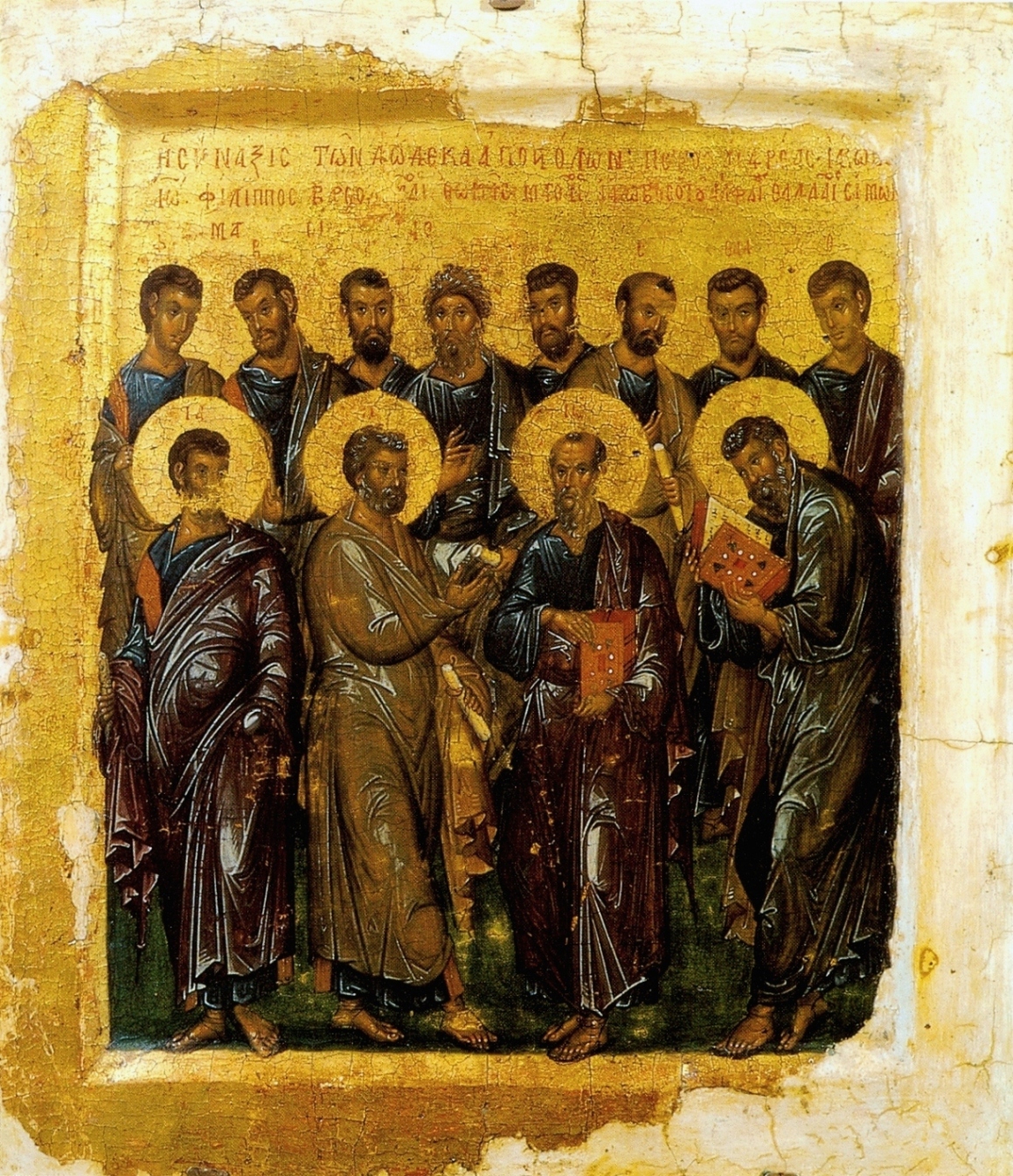




Contents and structure
The work is composite in shape: it begins with the so-called Two Ways (a paired ethics of life and death), moves on to community practices, and finishes with short appendices and church discipline. Major topics include baptism and fasting, the eucharistic thanksgiving, the selection and treatment of local leaders (bishops and deacons), and guidance for itinerant prophets and teachers. A concise list of subjects appears in the text itself:
- Moral exhortation and the Two Ways
- Instructions for baptism and related rites (baptism)
- Formulas and guidance for the Lord's Supper (Eucharist)
- Church organization and reception of traveling ministers
Date, authorship and origin
Scholars generally date the Didache to the late first or early second century CE. It preserves traditions older than the text itself and was probably composed in Greek in the eastern Mediterranean, perhaps Syria or Palestine. The title's reference to the Twelve Apostles reflects its claim to apostolic teaching rather than literal authorship.
Ritual details and notable practices
Practical instructions are a defining feature. For baptism the Didache prefers immersion in "living" (flowing) water but permits pouring when immersion is impractical. The eucharistic section contains brief thanksgiving prayers and explicit warnings against misuse of the meal. It also prescribes regular fasting and the use of simple communal meals for common worship. These ritual prescriptions are often compared with contemporary descriptions in other early Christian writings and inscriptions (ritual, ethics).
Transmission, reception and influence
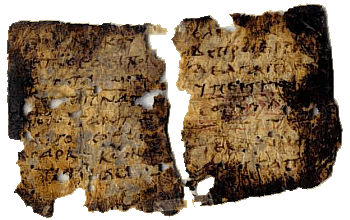
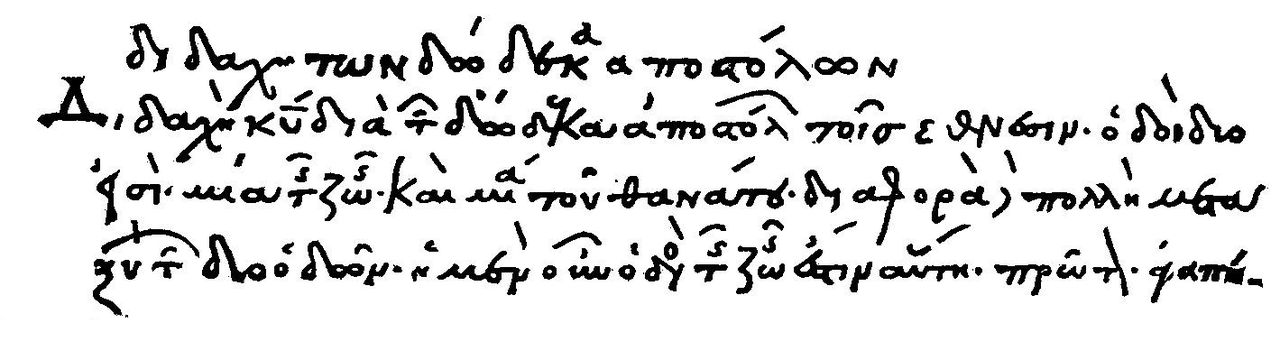
The text was lost to the western church until a Greek manuscript was discovered in the 19th century; its rediscovery renewed scholarly interest in early liturgy and church order. Although not accepted into orthodox canons, the Didache influenced later church orders and remains a key source for historians and liturgists. Modern editions and translations are widely available in collections of early Christian literature (manuscript, textual studies).
Today the Didache is valued both as a window into everyday Christian practice in the centuries after Jesus and as a witness to how early communities interpreted apostolic teaching. Its plain, pastoral tone and practical emphasis continue to interest theologians, historians, and those studying the development of Christian worship and organization.
Related articles
Author
AlegsaOnline.com Didache (The Teaching of the Twelve Apostles) Leandro Alegsa
URL: https://en.alegsaonline.com/art/27238
Sources
- bbc.co.uk : "Didache"