
Digambara: The Sky-Clad Tradition of Jainism
Digambara is one of the two principal Jain traditions, known for ascetic nudity, strict interpretation of nonviolence and distinct scriptures, practices, and iconography within Jainism.
The term Digambara, often translated as "sky-clad," names one of the two principal sects of Jainism. The word combines Sanskrit elements meaning "directions" (dig) and "garment" (ambar), signaling an ideal of renunciation in which certain mendicants give up all possession including clothing. Digambara is noted for a distinctive set of beliefs, monastic practices and artistic conventions that set it apart from the other major tradition.
Image gallery
10 Images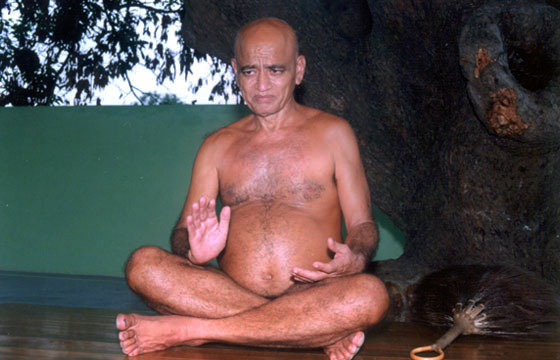






Core beliefs and practices
Digambara doctrine emphasizes extreme nonattachment and asceticism as the surest path to liberation (moksha). Monks traditionally practice nudity to demonstrate renunciation of all material ties and to avoid claiming ownership over even a simple garment. The community places strong emphasis on strict vegetarianism, careful avoidance of harm to living beings, and disciplined meditation and study.
- Ascetic discipline: rigorous rules for dress (or absence of it), diet and movement to minimize violence.
- Scriptures and authority: Digambara and the other major tradition differ over the authenticity and interpretation of early canonical texts.
- Monastic hierarchy: an organized order of monks (sadhus), nuns (sadhvis), laymen and laywomen with defined roles.
History and development
The split between Digambara and the other main group developed early in Jain history and reflects different readings of ascetic practice and textual preservation. Over centuries each tradition cultivated its own commentarial literature, monastic lineages and ritual styles. Digambara communities grew strong in central and western parts of the Indian subcontinent and became associated with distinctive temples, iconography and philosophical writings.
Iconography and religious life
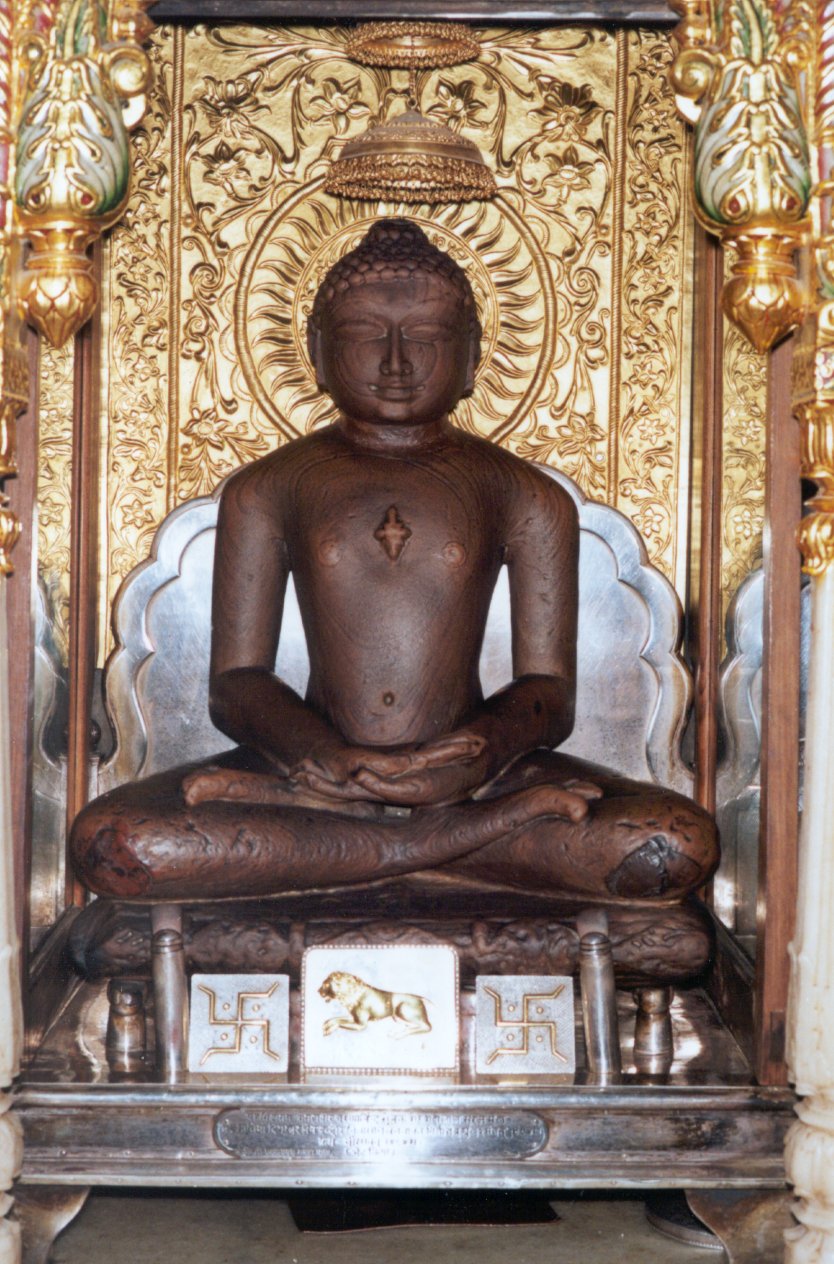
In art and temple sculpture Digambara images of liberated teachers (Tirthankaras) are typically represented nude, reflecting the ideal of complete renunciation. Religious life for lay Digambaras centers on temple worship, observance of vows, charity, pilgrimage and festival observances that parallel other Jain communities though differing in liturgical detail and textual emphasis.
Distinctive issues and contemporary context
One notable doctrinal difference concerns the role of women: traditional Digambara interpretation has maintained that the full renunciation required for final liberation includes practices they argued women cannot perform, a point that has generated theological debate and diverse contemporary responses. Modern Digambara communities engage in education, preservation of manuscripts and temple art, and dialog with other Jain groups while continuing classical monastic practices in adapted forms.
For further comparative study of Jain traditions and their histories, see discussions of the two main sects and broader surveys of Jainism.
Questions and answers
Q: What is Digambar?
A: Digambar is one of the two main sects of Jainism.
Q: What is the other main sect of Jainism apart from Digambar?
A: The other main sect of Jainism is Svetambar.
Q: What does the word 'Digambara' mean?
A: The word 'Digambara' is made up of two words 'dig' and 'ambar', meaning the person whose clothes (ambar) is the directions (dig).
Q: How do Digambar interpret Jainism?
A: Digambar have a stricter interpretation of Jainism than other sects.
Q: How is Digambar translated to English?
A: Digambar is translated to English as 'sky-clad'.
Q: What is the significance of the word 'ambar' in Digambar?
A: The word 'ambar' in Digambar refers to clothes.
Q: What does the word 'dig' signify in Digambar?
A: The word 'dig' in Digambar signifies directions.
Related articles
Author
AlegsaOnline.com Digambara: The Sky-Clad Tradition of Jainism Leandro Alegsa
URL: https://en.alegsaonline.com/art/27360
Sources
- books.google.com : Acharya Amritchandra's Purushartha Siddhyupaya