
Emigration: leaving one country to settle in another
Emigration is the act of leaving one country or region to live in another. This article explains causes, types, historical context, effects, and distinctions between emigration and related terms.
Emigration is the act of leaving one country or region with the intention of settling elsewhere. It is the counterpart of immigration, which describes arrival into a destination; the two terms describe the same movement from different national perspectives. Emigration may be temporary or permanent, individual or collective, and it is shaped by legal frameworks, social networks, economic opportunities and personal circumstances.
Image gallery
9 Images



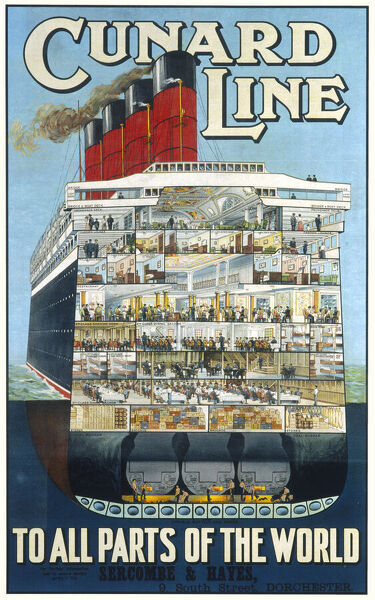


Causes and characteristics
People emigrate for many reasons, often summarized as "push" and "pull" factors. Push factors drive people away from a place (conflict, lack of jobs, environmental change), while pull factors attract them to a new location (better wages, family ties, safety). Economic motives and family reunification are common, but political persecution, natural disasters and education also play major roles. The study of such movements is part of broader migration research across disciplines.
History and human context
Human groups have moved across continents since prehistoric times. Long before written records, populations relocated for resources, seasonal grazing, trade and exploration. This mobility has been described as part of human nature by scholars who note that adaptability and movement have shaped societies and cultures. Over centuries, emigration patterns have been influenced by transportation, colonial links, wars and economic integration.
Types, terms and examples
- Voluntary emigration: choosing to move for work, education or lifestyle.
- Forced emigration: compelled by conflict, persecution or deportation.
- Circular or temporary migration: workers who move seasonally or for fixed contracts.
Cohesive communities formed abroad are often called a diaspora. Distinct from itinerant groups who travel without permanent settlement are nomads, whose mobility follows different patterns and social norms.
Impacts and notable distinctions
Emigration affects origin and destination societies. Economically, it can mean remittances sent home, loss of skilled labour, or new markets and entrepreneurship abroad. Socially and culturally, emigration fosters diasporic ties, transnational identities and cultural exchange. Legally, states regulate who may leave and enter, and public debates often balance national interests with human rights. When discussing movements, remember that 'emigration' and 'immigration' are perspective-dependent terms describing the same human act viewed from different borders.
Questions and answers
Q: What is emigration?
A: Emigration is leaving one's country or area to go live in another.
Q: What is immigration?
A: Immigration is coming into another country after leaving one's own country or area.
Q: What is the difference between emigration and immigration?
A: The difference between emigration and immigration is the perspective (or point of view) of which country a person is leaving and which country they are going to.
Q: Why do people emigrate?
A: The urge to migrate is a part of human nature.
Q: Is emigration a recent phenomenon?
A: No, people migrated well before we had written history.
Q: What do you call the people who have left a place?
A: The people who have left a place are called its diaspora.
Q: What do you call people who move around all the time?
A: People who move around all the time are called nomads.
Related articles
Author
AlegsaOnline.com Emigration: leaving one country to settle in another Leandro Alegsa
URL: https://en.alegsaonline.com/art/31137
Sources
- diffen.com : "Emigrate vs. Immigrate"