
Dial M for Murder (1954 film)
Alfred Hitchcock's 1954 crime thriller, adapted from a stage play, starring Grace Kelly and Ray Milland. A tightly contained tale of a seemingly perfect murder plot and its unraveling.
Overview
Dial M for Murder is a 1954 American crime drama film directed by Alfred Hitchcock. Adapted from a 1952 stage play by Frederick Knott, the picture examines an apparently flawless scheme to eliminate a spouse and the consequences that follow when the plan does not go as intended. The film was a commercial success and remains a well-known example of Hitchcock's emphasis on suspense and moral complication.
Image gallery
3 Images
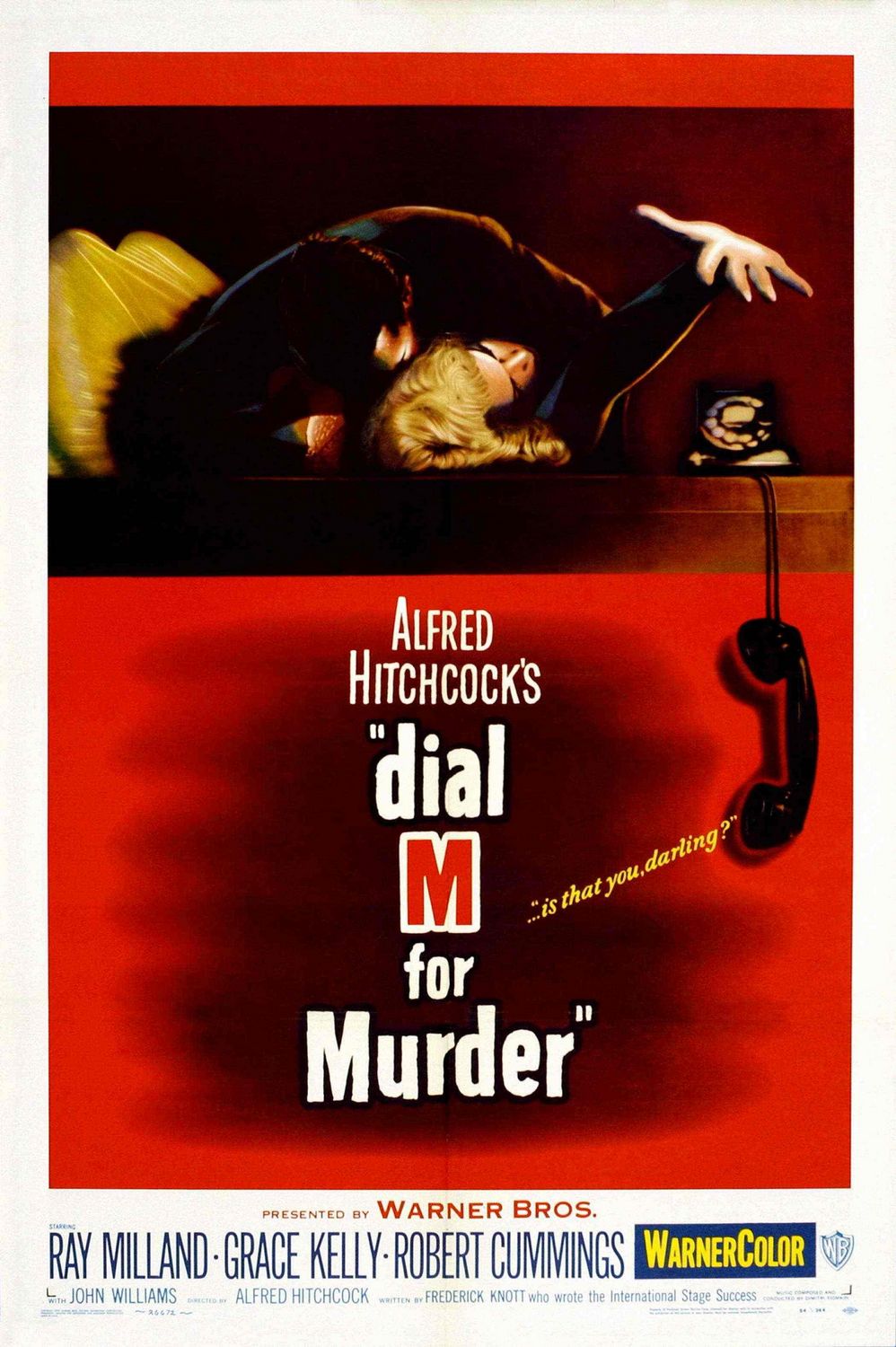
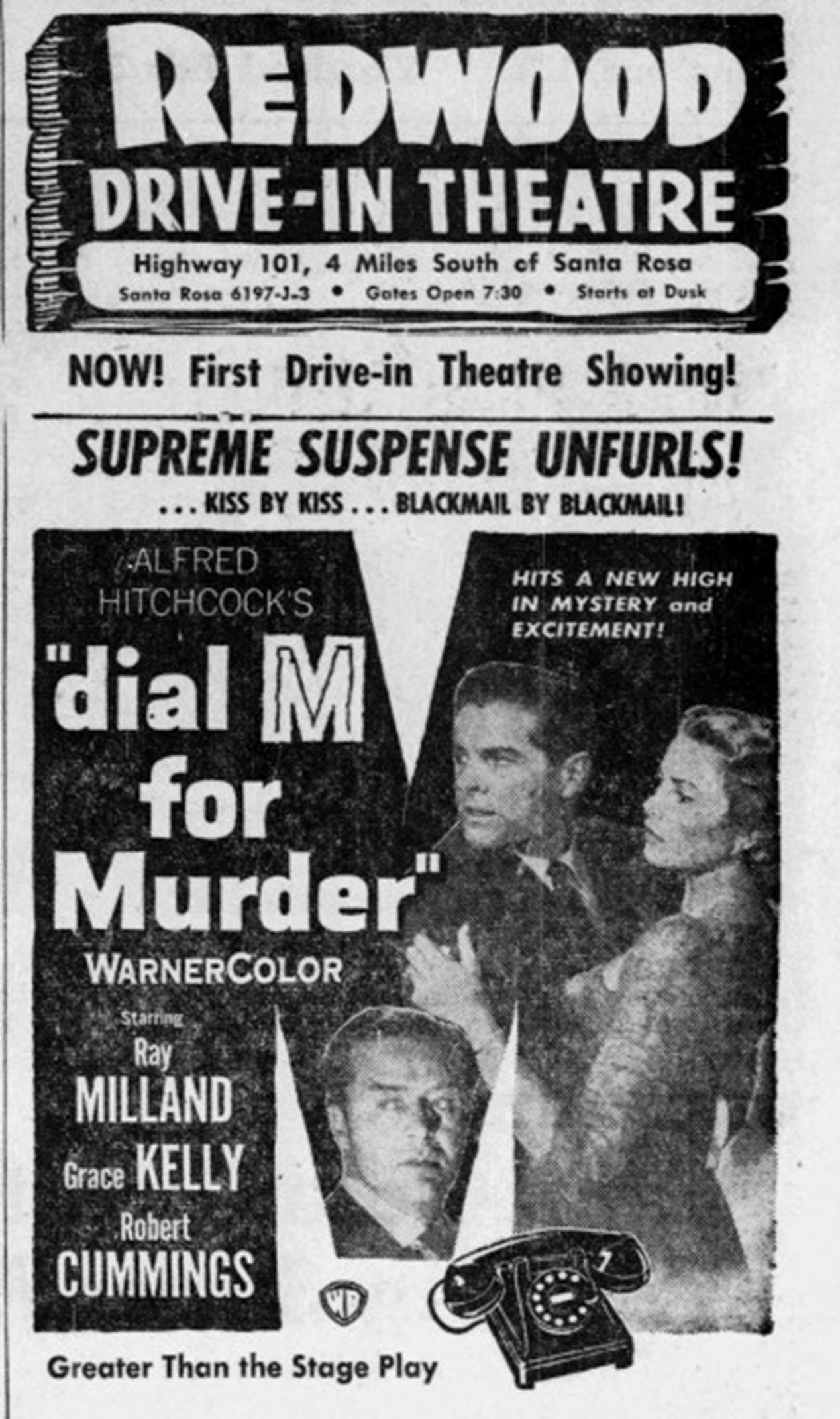
Setting and style
The action is concentrated in a small number of locations and unfolds with stage-like precision, reflecting the story's theatrical origins. Hitchcock's direction emphasizes tension through tight framing, carefully timed reveals and the psychological dynamics between characters. The narrative hinges on the mechanics of a murder plot and the interplay of deception, blackmail and courtroom suspicion.
Plot elements and themes
At its core the film explores trust, betrayal and the idea of a "perfect crime." The protagonist's attempt to engineer a clean killing exposes vulnerabilities and forces characters to confront moral choices. Themes include the commodification of marriage, the limits of rational planning and the role of chance in criminal schemes.
Principal cast and reception
- Grace Kelly as the targeted wife, a performance often cited among her notable screen roles.
- Ray Milland as the husband who devises the plan.
- Supporting players contribute to the claustrophobic tension that drives the plot.
The film performed well at the box office and has been discussed both as mainstream entertainment and as a study in suspenseful craftsmanship.
Legacy and adaptations
Because of its stage origins and tight plotting, the story has been revived in stage and screen formats over the years. Critics and historians often point to the movie as a classic Hitchcock set piece that demonstrates how a compact story, strong performances and precise direction can create sustained suspense without extensive locations or action sequences.
For readers interested in further details, production history and cast lists, consult dedicated film references and archives. The film remains a frequent subject in studies of crime drama and mid-20th-century cinema.
Related articles
Author
AlegsaOnline.com Dial M for Murder (1954 film) Leandro Alegsa
URL: https://en.alegsaonline.com/art/27088
Sources
- the-numbers.com : "Dial M for Murder"