
Ray Milland (Welsh actor and film director)
Ray Milland (1907–1986) was a Welsh-born actor and director whose long Hollywood career included an Academy Award for The Lost Weekend and memorable roles in classic thrillers and noirs.
Ray Milland (born Reginald Alfred Johnson; 3 January 1907 – 10 March 1986) was a Welsh-born actor and film director whose career spanned stage, screen and television across several decades. He became widely known for his versatility, moving between dramatic, comic and suspense roles, and won the Academy Award for Best Actor for his portrayal of an alcoholic writer in The Lost Weekend (1945).
Image gallery
10 Images


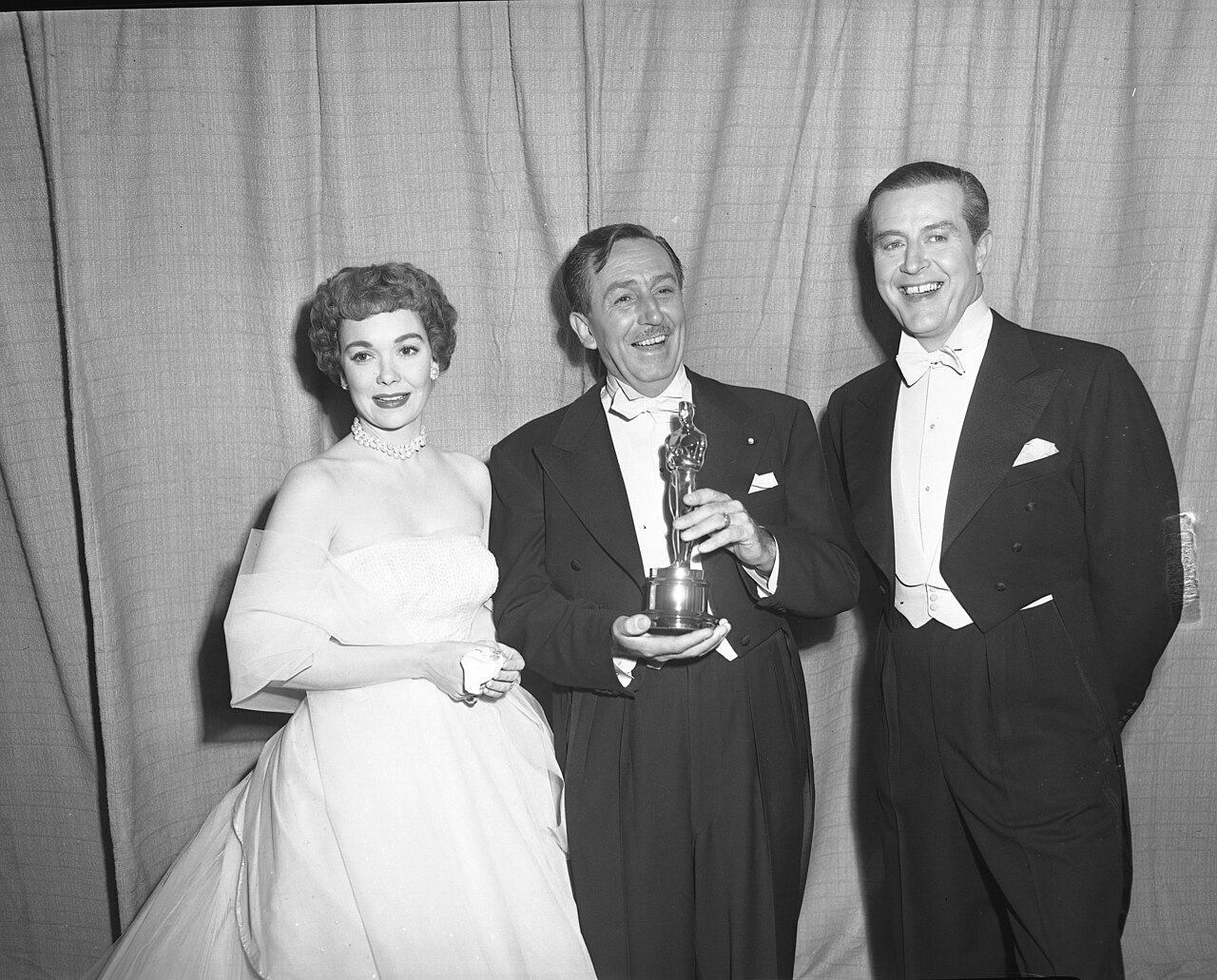


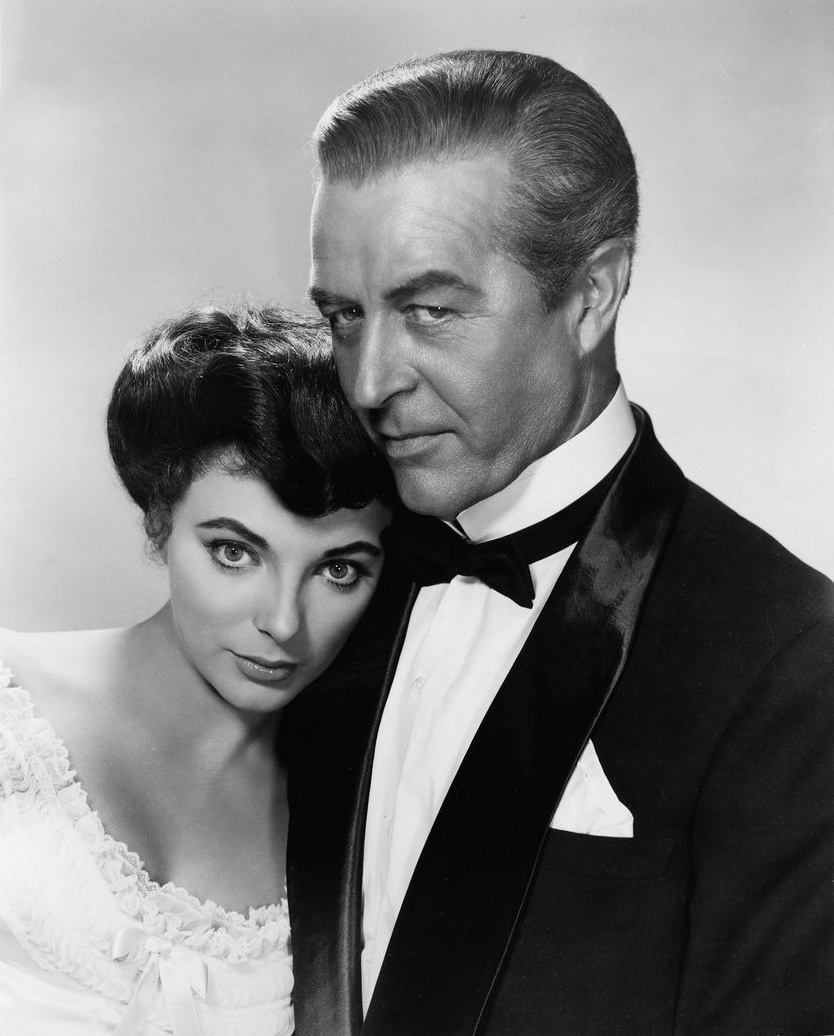

Early career and Hollywood breakthrough
Milland began acting in Britain before relocating to the United States, where he signed a studio contract and established himself as a leading man in the 1930s and 1940s. His polished, urbane screen persona suited a range of parts from romantic leads to more complex characters in crime dramas and melodramas. During his Hollywood years he worked with major directors and appeared in commercially successful pictures that raised his profile internationally.
Notable films and roles
Among Milland's best-known films are The Lost Weekend, for which he received an Academy Award, and Alfred Hitchcock's thriller Dial M for Murder (1954), in which he played a wronged husband caught in an escalating plot. He also starred in adventure and noir titles such as Beau Geste (1939), Algiers (1938) and The Big Clock (1948), demonstrating a capacity for both heroic and morally ambiguous characters.
Acting style, directing and later work
Milland was praised for a controlled, natural screen presence and a capacity to shift tone between light comedy and darker drama. In addition to acting he directed and appeared on television as the entertainment industry changed after World War II, and he later published memoirs recounting his experiences in film. His career illustrates the adaptability required to sustain steady work from the studio era into television and independent productions.
Awards, legacy and distinctive facts
Winning the Academy Award for Best Actor consolidated Milland's place in classic Hollywood history, but his legacy also rests on a wide-ranging filmography and frequent appearances in suspense and noir genres. Modern viewers often recognize him for roles that blend charm with underlying menace, and film historians cite his performances when discussing mid-century Hollywood leading men.
- For a general overview of his life and career see biographical resources.
- For a fuller filmography and credits consult film listings.
- To explore interviews, contemporaneous publicity and archival material try historical archives and interviews.
Milland remained active in the entertainment industry for many years and died on 10 March 1986. His body of work continues to be studied by students of film and enjoyed by audiences discovering classic Hollywood cinema.
Author
AlegsaOnline.com Ray Milland (Welsh actor and film director) Leandro Alegsa
URL: https://en.alegsaonline.com/art/129320