
Dhaka District
Central district of Bangladesh centered on the capital city Dhaka; administrative, economic and cultural core with urban and peri‑urban areas and a history of Mughal and colonial influence.
Overview
Dhaka District is the central administrative district that contains Bangladesh's national capital. Often seen as both a single metropolitan area and a host for surrounding towns and rural zones, the district forms the core of the country's political, economic and cultural life. The district name is rendered in Bengali as ঢাকা জেলা.
Image gallery
10 Images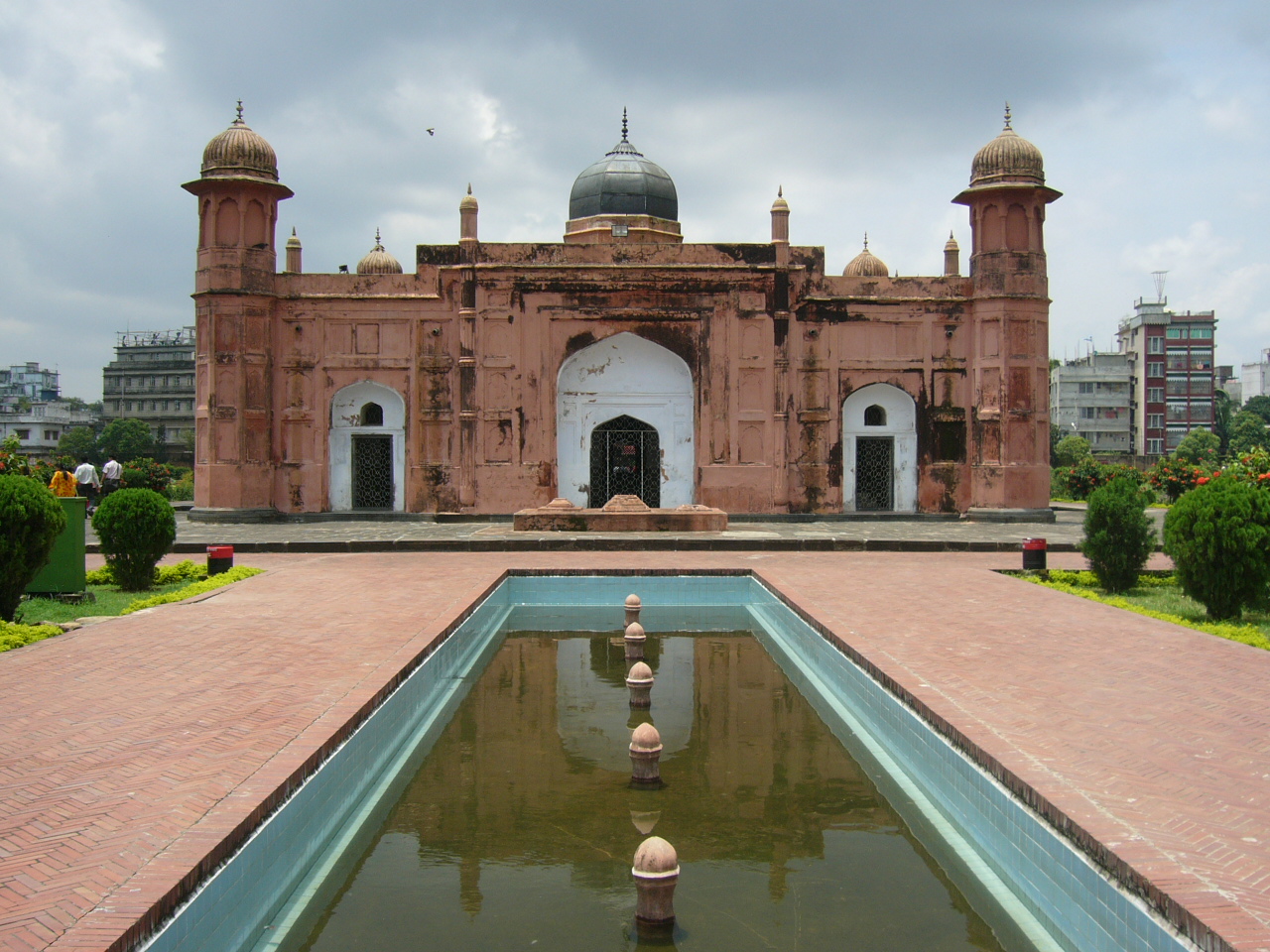


Geography and administration
The district lies in the heart of Bangladesh and is part of the larger Dhaka Division. Much of its territory is dominated by the city commonly called Dhaka, which serves as the district headquarters and the national capital. Outside the dense urban core the district includes suburban and rural subdistricts (upazilas) that link the metropolis to agricultural and industrial hinterlands.
History and development
Dhaka evolved from a regional trading settlement into a major urban center through successive historical phases. It rose to prominence in the Mughal era as a regional capital and textile center, continued as an administrative and commercial hub under colonial rule, and expanded rapidly after the partition and independence of Bangladesh. These layers of history are reflected in its architecture, place names and social composition.
Economy, transport and culture
As the seat of government and a concentration of industry, education and services, Dhaka District plays an outsized role in the national economy. The area is a transport nexus with major road, rail and river connections that serve both domestic movement and international trade. Cultural institutions, universities, museums and marketplaces contribute to a vibrant urban life that draws people from across the country.
Administrative units and notable facts
- The district is administratively divided into municipal and rural units that manage local services across densely populated wards and less-dense upazilas.
- It contains historical sites from the Mughal and colonial periods alongside modern government buildings and business districts.
- Ongoing challenges include urban planning, transportation congestion and provision of utilities for a growing population.
For an overview of local governance and development initiatives, readers can consult administrative guides and local government resources linked through official portals and reference materials.
Related articles
Author
AlegsaOnline.com Dhaka District Leandro Alegsa
URL: https://en.alegsaonline.com/art/27026
Sources
- dhakacity.org : "History"