
Dhi Qar Governorate (Iraq)
Dhi Qar is a southern Iraqi governorate centered on Nasiriyah, known for ancient Sumerian sites such as Ur, the Mesopotamian marshes, agricultural plains and a predominantly Shia Arab population.
Overview
Dhi Qar Governorate (Arabic: ذي قار) is an administrative province in southern Iraq. Covering roughly 12,900 km², it is centered on the city of Nasiriyah, which serves as the provincial capital and principal commercial and administrative hub. The province occupies lowland plains between the Tigris and Euphrates river systems and includes sections of the historic Mesopotamian wetlands.

Image gallery
2 Images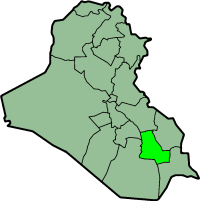

Geography and subdivisions
The landscape of Dhi Qar combines irrigated agricultural plains, seasonal marshes and urban centers. The climate is typically hot and dry for much of the year, with irrigation fed by local branches of the Euphrates and by traditional waterworks. Administratively the governorate is divided into several districts, including:
- Nasiriya (the provincial capital)
- Al-Dubayyish
- Ar-Rifa'i
- Ash-Shatra
- Suq ash-Shuyukh
History and archaeology
Dhi Qar sits on one of the oldest inhabited regions of the world. It contains major archaeological sites associated with ancient Sumerian civilization, most notably the ruins of Ur and other early cities and temple complexes. These sites illustrate the long continuity of settled life in southern Mesopotamia, where urban culture and writing first developed millennia ago. In modern times the area has also been shaped by Ottoman rule, the formation of the Iraqi state, and the upheavals of the late 20th and early 21st centuries.
Population, culture and religion
The governorate is predominantly populated by Shia Arab communities, with local social life strongly influenced by tribal ties, religious observance and rural traditions. Nasiriyah functions as a cultural and service center, hosting regional markets, religious commemorations and educational institutions. Official population figures have varied; a 2003 estimate recorded about 1.45 million residents, and subsequent years have seen demographic change due to urban migration and conflict-related movements.
Economy and environment
Agriculture remains the mainstay of the provincial economy — date palms, cereals and vegetables are widely cultivated on irrigated land. The marshes provide fishing, reed-gathering and seasonal grazing, and they are ecologically significant as one of the last large wetland complexes in the region. Infrastructure and services are concentrated in Nasiriyah, which contains hospitals, universities and administrative offices, but the province also faces challenges including water management, periodic drought, and the need for post-conflict reconstruction.
Governance and notable facts
Dhi Qar participates in Iraq's governorate-level administration, with an appointed governor and elected local councils. The province was among those that experienced political mobilization and debate in the years after 2003; in the 2005 national constitutional referendum a large majority of Dhi Qar voters approved the new constitution. Proposals for regional cooperation or greater autonomy among several southern provinces have appeared at various times in Iraq's post‑2003 politics. Today Dhi Qar is best known internationally for its archaeological heritage, the marshland ecosystems, and its role within southern Iraq's agricultural and cultural landscape.
Related articles
Author
AlegsaOnline.com Dhi Qar Governorate (Iraq) Leandro Alegsa
URL: https://en.alegsaonline.com/art/27050