
DeWitt County, Illinois — history, geography, communities and features
DeWitt County, in central Illinois with county seat Clinton, was established in 1839. This article summarizes its origins, landscape, economy, communities, governance and notable sites.
Overview
DeWitt County is a rural county in central Illinois whose administrative center is the city of Clinton. Established in 1839, the county combines small urban neighborhoods and a network of villages surrounded by predominantly agricultural land. The county has historically been characterized by farming, light industry and local services that support nearby regional centers.
Image gallery
5 Images


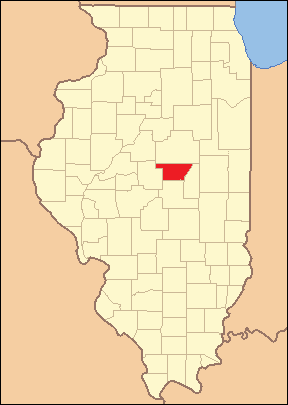

Geography and communities
The county's terrain is typical of central Illinois: largely level to gently rolling prairie soils that are well suited to row crops and livestock. Settlements are concentrated in a few small towns and many townships, with Clinton serving as the primary hub for commerce, government and health services.
- County seat: Clinton (administrative and service center)
- Settlement pattern: small cities, villages and dispersed rural properties
- Land use: mostly agricultural with patches of residential and commercial development
History and origin
DeWitt County was created on March 1, 1839 from portions of neighboring counties. It was named for DeWitt Clinton, an influential early-19th-century governor of New York who was widely admired for his role in promoting canals and internal improvements. The county developed during the mid-1800s as settlers moved westward into Illinois, established farms, and organized local government and towns.
Economy, demographics and services
The county's economy remains anchored in agriculture, with corn and soybeans, livestock production, and services that support farming communities. Small manufacturing firms, retail businesses in Clinton, and public-sector employers contribute to local employment. Population density is low compared with urban counties; the 2010 census recorded 16,561 residents, and the county has continued to function as a small, close-knit community centered on township and municipal institutions.
Government, institutions and notable facts
Local government is organized around a county board, elected officials, and municipal administrations for towns such as the county seat. Public services include schools, libraries, health clinics and recreational facilities. Notable local sites often reflect the county's agricultural heritage and small-town character, and energy or manufacturing facilities near the seat have played roles in the local economy.
Further reading and links
- Official DeWitt County information
- State of Illinois resources
- Regional context and maps
- U.S. Census data and demographics
- Clinton — county seat details
- Local government and services
- Macon County (historical source)
- McLean County (historical source)
- Biography of DeWitt Clinton
- Tourism, events and visitor information
Related articles
Author
AlegsaOnline.com DeWitt County, Illinois — history, geography, communities and features Leandro Alegsa
URL: https://en.alegsaonline.com/art/27010
Sources
- quickfacts.census.gov : "State & County QuickFacts"
- naco.org : "Find a County" · web.archive.org
- books.google.com : The Origin of Certain Place Names in the United States