
McLean County, Illinois
Central Illinois county centered on Bloomington–Normal; largest Illinois county by land area, founded 1830, known for agriculture, education, and insurance and a 2010 population of about 169,572.
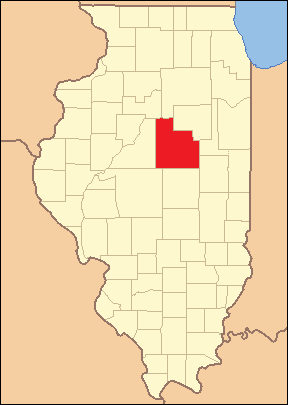
McLean County is a large, primarily rural county in the heart of the U.S. state of Illinois. It is the largest county by land area in the state and serves as a regional hub for commerce, education and government. According to the 2010 census, the county had a population of approximately 169,572. The county seat and principal city is Bloomington, which together with the neighboring town of Normal forms the Bloomington–Normal metropolitan area.
Image gallery
5 Images


Geography and communities
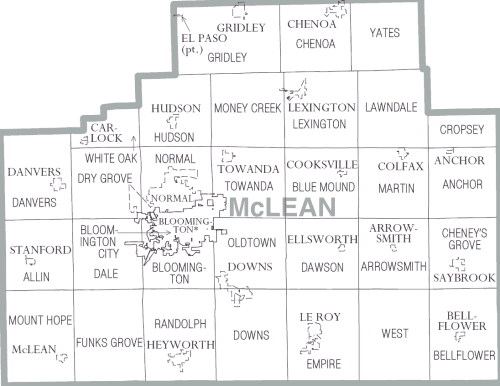
Located in central Illinois, McLean County is characterized by broad, fertile plains and extensive farmland. Its landscape supports large-scale row-crop agriculture and scattered woodlands and small lakes. The county contains a mix of small towns and suburban neighborhoods; prominent communities include Bloomington and Normal as well as numerous smaller towns and townships that serve local farming and residential populations. For basic administrative information see McLean County resources.
History and development
Established in 1830, McLean County was named for John McLean, a U.S. Senator from Illinois who died that year. Early settlement was driven by agriculture and by the arrival of railroads in the 19th century, which connected the area to statewide markets. Over time, the two neighboring municipalities of Bloomington and Normal grew into a shared economic and cultural center, anchored by education and industry.
Economy, institutions, and transportation
The county economy blends agriculture with manufacturing, insurance and education. Major employers include insurance and financial-services firms, institutions of higher learning and a range of local manufacturers and service businesses. Higher education is prominent: the town of Normal is home to a public university, and Bloomington hosts private colleges, contributing to research, workforce development, and cultural life. Transportation infrastructure includes regional highways and an airport that connect the county to the rest of Illinois and beyond.
Culture, recreation and notable facts
Residents and visitors enjoy parks, community festivals, museums and county fairs that reflect the region’s agricultural and small-city heritage. McLean County’s role as the largest county by land area in Illinois gives it particular importance for statewide planning and rural services. For local government, services and further details about the county seat, consult official pages about the county seat and municipal resources. Additional statistical and planning materials are available through state and regional links such as city and regional portals.
Questions and answers
Q: Which is the largest county by land area in Illinois?
A: McLean County is the largest county by land area in the U.S. state of Illinois.
Q: What was the population of McLean County according to the 2010 census?
A: The population of McLean County according to the 2010 census was 169,572.
Q: What is the county seat of McLean County?
A: The county seat of McLean County is Bloomington.
Q: Who was John McLean and why is he important for McLean County?
A: John McLean was a United States Senator for Illinois who died in 1830. McLean County was named after him in honor of his service and contributions.
Q: When was McLean County founded?
A: McLean County was founded in 1830.
Q: How did McLean County get its name?
A: McLean County was named after John McLean, United States Senator for Illinois, who died in 1830.
Q: What is the significance of McLean County's population and land area?
A: McLean County is the largest county by land area in the U.S. state of Illinois and had a population of 169,572 according to the 2010 census. This makes it a significant county in terms of both size and population.
Related articles
Author
AlegsaOnline.com McLean County, Illinois Leandro Alegsa
URL: https://en.alegsaonline.com/art/63262
Sources
- quickfacts.census.gov : "State & County QuickFacts"
- naco.org : "Find a County" · web.archive.org
- books.google.com : The Origin of Certain Place Names in the United States