
Deventer: Dutch river city with medieval heritage
Deventer is a historic city in Overijssel on the eastern bank of the IJssel, known for its medieval centre, the Brethren of the Common Life, the annual Book Market, Dickens Festival and Deventer koek.
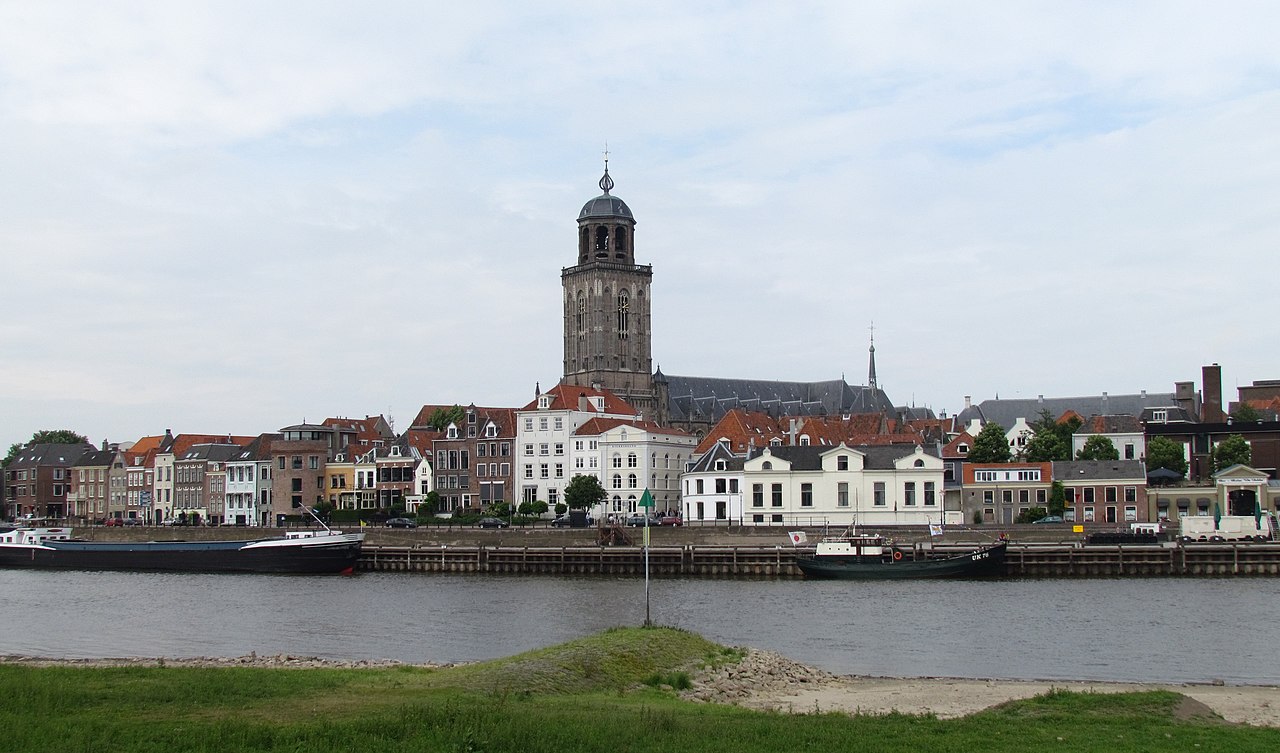
Deventer is a city and municipality in the eastern Netherlands, situated on the eastern bank of the IJssel River. It lies within the province of Overijssel and straddles traditional subregions including Salland and parts of the IJsselvallei. The town has a compact historic core, riverside quays and a mix of medieval, early modern and later architecture that together shape its identity as a regional centre for culture, education and commerce. About 101,000 people lived in the municipality in 2021.
Image gallery
10 Images




History and origins
Deventer's origins reach back to the late 8th century when the Anglo-Saxon missionary Lebuinus established a wooden church at the site, around 768 according to traditional accounts. The settlement developed through the early Middle Ages into a fortified market town. In the late 14th century the city became an important centre for religious renewal when Geert Groote founded the community known as the Brethren of the Common Life. That group was central to the Devotio Moderna movement, which emphasised personal piety, simple communal life and a focus on education and copying religious texts; its influence extended across the Low Countries and northern Europe.
Medieval prosperity and urban fabric
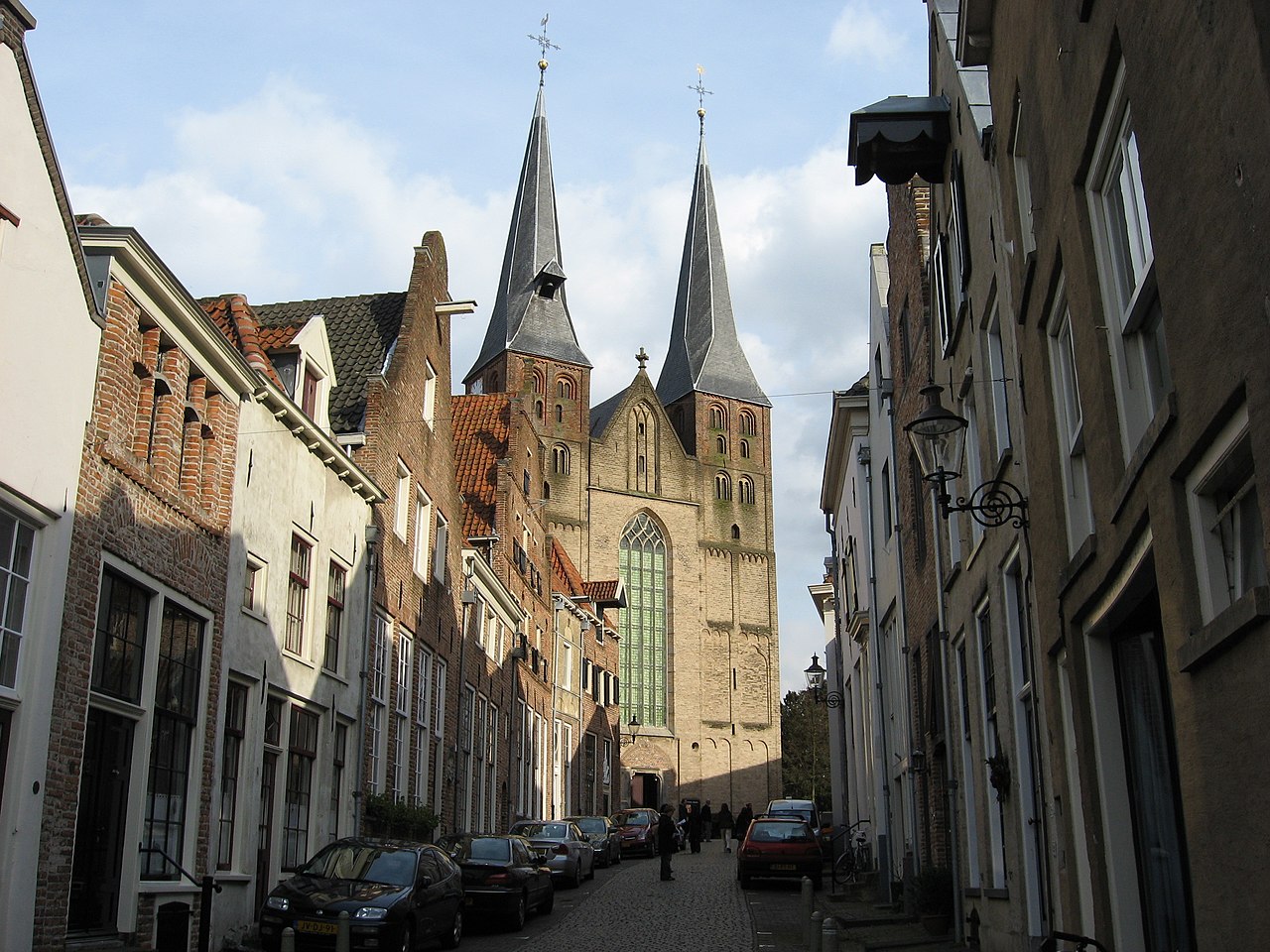
From the later Middle Ages Deventer prospered through river trade on the IJssel and by serving as a market and craft town. It took part in northern European trading networks and built civic structures that still define the skyline: the stone St. Lebuinus Church (Lebuinuskerk) with its tower, the historic weigh house (Waag) and rows of merchant houses around the central market square known as the Brink. Many streets and public spaces still follow medieval patterns, and surviving buildings show a range of late Gothic and Renaissance details.
Landmarks, museums and institutions
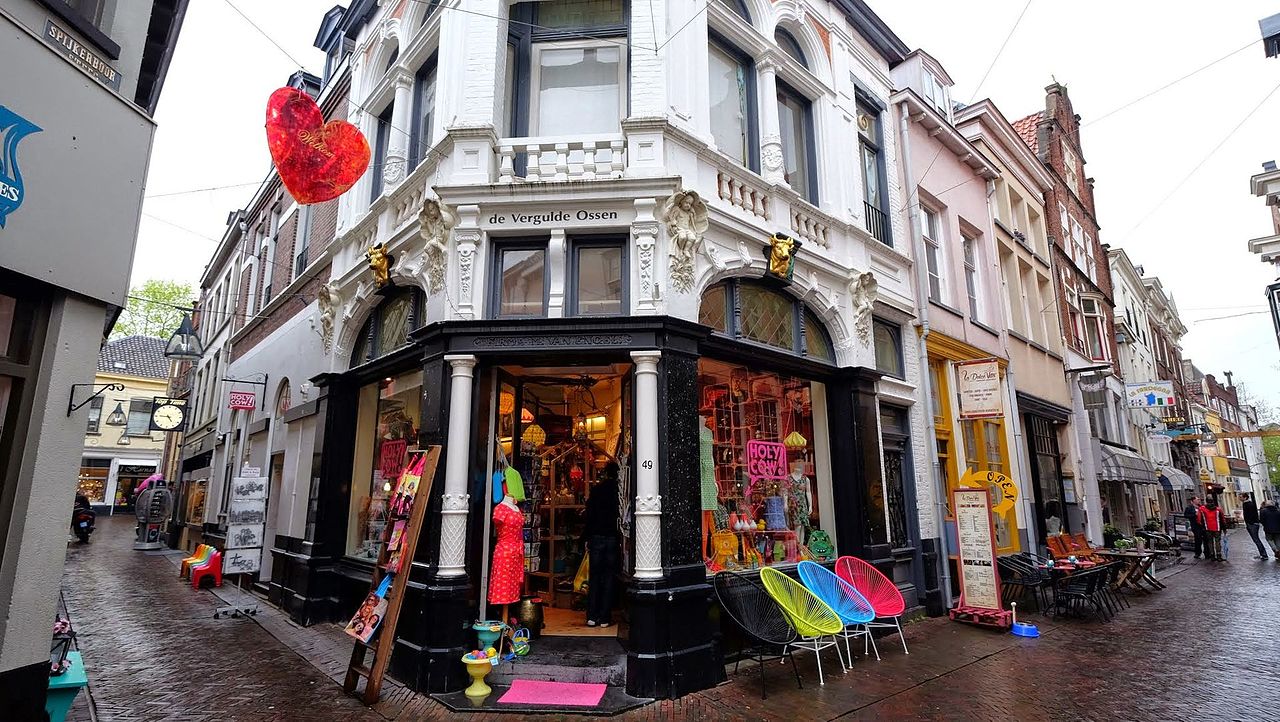
Visitors to Deventer encounter the Lebuinuskerk, former monastic sites, the old weigh house and narrow lanes leading to the riverside. The Brink forms the heart of the town, lined by cafés and shops and frequently serving as the venue for markets and events. Deventer also hosts museums that interpret local history, art and crafts, and it has a campus of a university of applied sciences that contributes to local student life. Good rail connections and proximity to the A1 motorway make the city accessible from larger Dutch urban centres.
Culture, festivals and local specialities
Cultural life in Deventer is lively and seasonally varied. The Deventer Book Market—long established and often described as one of Europe’s largest open-air book fairs—draws booksellers and readers to the historic streets. A Dickens Festival held in winter recreates Victorian scenes and costumes, attracting many visitors. Gastronomically, Deventer is associated with Deventer koek, a spiced ginger cake or cookie with a long local tradition; recipes and styles vary regionally, but the sweet is a well-known regional speciality.
Economy, transport and contemporary role
Today the city's economy combines tourism and cultural services with education, small and medium-sized enterprises, light industry and logistics. Deventer serves as a service centre for the surrounding countryside while maintaining a reputation as a livable historic city. Regular trains call at Deventer station and main roads connect the town to national routes, supporting commuting and freight movements alongside local business activity.
Quick facts
- Province: Overijssel.
- Regions: Salland and the IJsselvallei.
- Founding tradition: missionary Lebuinus, late 8th century.
- Important movement: birthplace of the Brethren of the Common Life and linked to the Devotio Moderna.
- Famous for: the Deventer Book Market, Dickens Festival and Deventer koek.
Deventer combines a well-preserved medieval townscape with active cultural life and modern services, making it notable both as a heritage destination and as a regional centre for everyday life.
Related articles
Author
AlegsaOnline.com Deventer: Dutch river city with medieval heritage Leandro Alegsa
URL: https://en.alegsaonline.com/art/26973
Sources
- deventer.nl : "Burgemeester ir. A.P. Heidema"
- statline.cbs.nl : "Kerncijfers wijken en buurten"
- ahn.nl : "Postcodetool for 7411KT"
- statline.cbs.nl : "Bevolkingsontwikkeling; regio per maand"