
Designated survivor (United States): continuity of government role
A designated survivor is a Cabinet member kept at a remote secure site during major gatherings of government leaders so the presidency and federal leadership can continue if catastrophe strikes.
Overview
The term "designated survivor" (or designated successor) describes a practice in the United States in which one Cabinet-level official is deliberately kept away from gatherings that include the president and other senior leaders. The purpose is continuity of government: if a catastrophic event killed or incapacitated the president and those ahead in the line of succession, the designated survivor would be available to assume the presidency and preserve the constitutional chain of command.
Image gallery
1 Image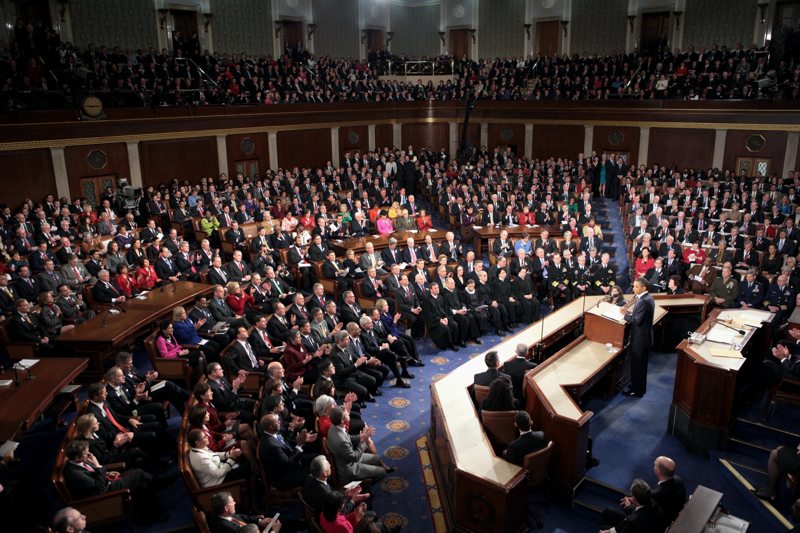
How the practice works
A designated survivor will typically be a member of the cabinet who meets the constitutional requirements for the presidency and is within the formal line of succession. On occasions such as the State of the Union or presidential inaugurations, the person is moved to a secure remote location, kept under protection, and provided with communications and briefings so they can perform the duties of the office if necessary.
Legal and practical background
The role exists within the broader framework of presidential succession and continuity plans established by law and practice. The Constitution sets basic eligibility (age, citizenship, residency), and statutes govern the order of succession among the vice president, Cabinet officers and others. Continuity procedures evolved during the 20th century, in part as a response to wartime and Cold War concerns about preserving government functions after mass-casualty events.
Typical uses and notable examples
Designated survivors are used at events that bring many leaders together. They receive security protection and situational briefings and are prepared to take the presidential oath if extraordinary circumstances require. One publicly noted instance was when Sonny Perdue, then head of the Department of Agriculture, served as designated survivor during a 2018 address by President Donald Trump. The selection of a designated survivor is usually a discreet administrative decision rather than a public appointment.
Distinctions and cultural impact
While the procedure is a practical continuity measure, it has also entered popular culture and news coverage. The idea highlights constitutional succession and emergency preparedness without implying imminent danger. In discussions of continuity, it is often mentioned alongside broader emergency planning, succession statutes and secure communication protocols.
Summary
- Purpose: ensure an authorized official can assume the presidency after a catastrophic loss of leaders.
- Who: usually a Cabinet official eligible for the presidency and in the statutory line of succession.
- When: major events where many top officials gather, or other times chosen by administration planners.
- Importance: part of legal and practical continuity-of-government arrangements in the United States.
Related articles
Author
AlegsaOnline.com Designated survivor (United States): continuity of government role Leandro Alegsa
URL: https://en.alegsaonline.com/art/26845