
Diabetic retinopathy — causes, diagnosis, treatment, and prevention
Diabetic retinopathy is a diabetes-related microvascular disease of the retina that can lead to vision loss. This article explains its types, symptoms, diagnosis, treatments, and prevention.
Overview
Diabetic retinopathy is a complication of diabetes that damages the light-sensitive tissue at the back of the eye, the retina. It is a leading cause of vision impairment and visual disability among working‑age adults. The condition develops as long‑term high blood glucose and related metabolic disturbances injure small retinal blood vessels, producing leakage, occlusion, and abnormal vessel growth that can ultimately threaten sight. Many people have little or no vision change in early stages, so regular screening is essential.
Image gallery
10 Images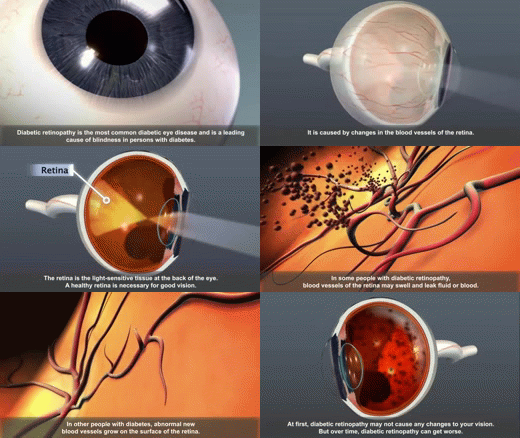


Types and underlying changes
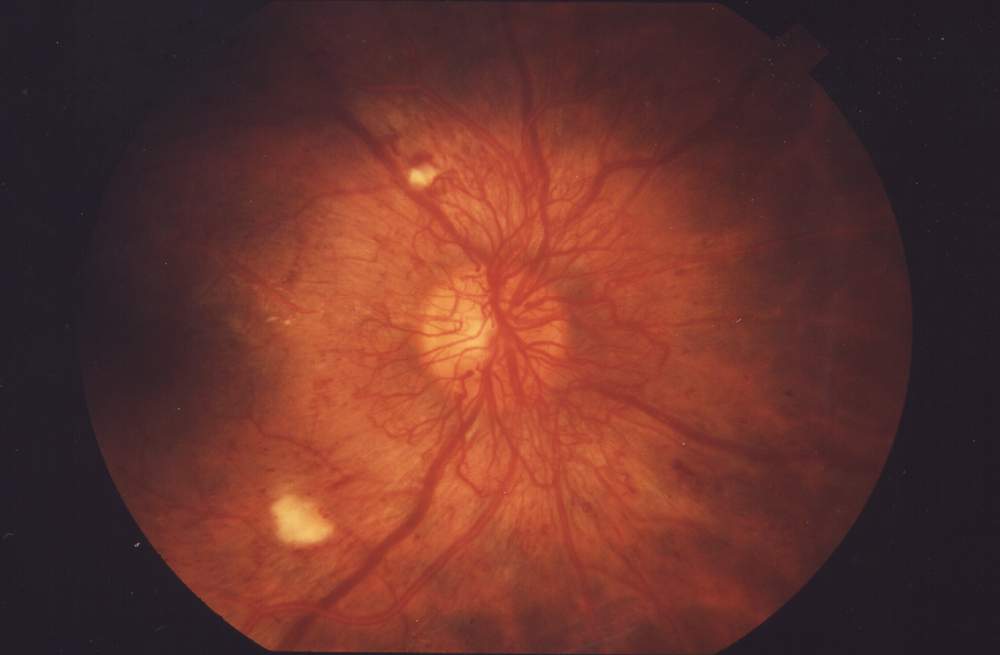
Retinopathy is often categorized into two broad forms. Nonproliferative diabetic retinopathy (NPDR) ranges from mild to severe and is characterized by microaneurysms, dot‑blot hemorrhages, hard exudates and cotton‑wool spots. Proliferative diabetic retinopathy (PDR) is advanced disease driven by retinal ischemia and marked by neovascularization — fragile new vessels that can bleed into the vitreous or cause tractional retinal detachment. Diabetic macular edema (DME) can occur at any stage when fluid accumulates in the macula, the central area responsible for sharp vision.
Risk factors and progression
Key risk factors include duration of diabetes, poor glycemic control, high blood pressure, elevated blood lipids, pregnancy, and kidney disease. The likelihood of retinopathy increases with time: many people with ten or more years of diabetes develop some retinal changes. With early detection and appropriate treatment, substantial vision loss can often be prevented; some estimates indicate a large proportion of new severe cases are avoidable with timely care.
Signs, diagnosis, and screening
Early disease is frequently asymptomatic. When symptoms occur they may include floaters, blurred or fluctuating vision, and progressive loss of central vision. Diagnosis is made by a dilated eye examination and may be supplemented by optical coherence tomography (OCT) to measure macular swelling and by fluorescein angiography to map leaking or ischemic vessels. Clinical guidelines generally recommend regular dilated retinal exams for people with diabetes; frequency depends on type and duration of diabetes and on prior retinal findings.
Treatments and prevention
Treatment aims to preserve vision and address causes of retinal damage. Measures to slow onset and progression include strict glycemic control, blood pressure and lipid management, and smoking cessation. Medical and surgical eye treatments include:
- Anti‑VEGF injections (vascular endothelial growth factor inhibitors such as ranibizumab, aflibercept, or bevacizumab) to reduce macular swelling and regress abnormal vessels.
- Laser photocoagulation — focal/grid laser for macular edema and panretinal photocoagulation for proliferative disease to reduce risk of severe vision loss.
- Vitrectomy — surgery to clear persistent vitreous hemorrhage or relieve tractional detachment.
Prognosis and public health
With modern treatments and systematic screening, many patients maintain functional vision, but untreated advanced retinopathy can progress to severe visual impairment or blindness. Public health approaches emphasize prevention through metabolic control and organized screening programmes to identify treatable disease early. Regular follow‑up and coordination between primary care, diabetes specialists, and eye care professionals are central to reducing the burden of diabetic retinal disease.
Questions and answers
Q: What is diabetic retinopathy?
A: Diabetic retinopathy is the most common eye disease caused by diabetes, which damages the retinas in both eyes, causing vision problems which may lead to blindness.
Q: What percentage of patients who have had diabetes for 10 years or more are affected by diabetic retinopathy?
A: Diabetic retinopathy affects up to 80 percent of all patients who have had diabetes for 10 years or more.
Q: Can diabetic retinopathy be prevented?
A: Early diagnosis and proper treatment can prevent at least 90% of new cases of diabetic retinopathy from becoming severe.
Q: How does diabetic retinopathy affect vision?
A: Diabetic retinopathy damages the retinas in both eyes, causing vision problems which may lead to blindness.
Q: What is the importance of early diagnosis in diabetic retinopathy?
A: Early diagnosis of diabetic retinopathy is important in preventing new cases from becoming severe and causing irreversible vision problems.
Q: What is the proper treatment for diabetic retinopathy?
A: Proper treatment for diabetic retinopathy may include controlling blood sugar levels, blood pressure, and cholesterol, as well as laser treatment or surgery in severe cases.
Q: Who is at risk for diabetic retinopathy?
A: Patients who have had diabetes for 10 years or more are at risk for diabetic retinopathy, but anyone with diabetes is at risk for developing the condition.
Related articles
Author
AlegsaOnline.com Diabetic retinopathy — causes, diagnosis, treatment, and prevention Leandro Alegsa
URL: https://en.alegsaonline.com/art/27074
Sources
- nei.nih.gov : National Eye Institute: Diabetic Retinopathy