
Democratic Kampuchea (1975–1979) — the Khmer Rouge regime in Cambodia
State established by the Khmer Rouge in Cambodia, led by Pol Pot. Noted for radical agrarian policies, forced evacuations, and mass deaths; ended after a Vietnamese invasion and left a long legacy.
Overview
Democratic Kampuchea was the official name used by the ruling movement in Cambodia after the fall of Phnom Penh. The regime, commonly called the Khmer Rouge, consolidated control in 1975 and formally proclaimed the new state in 1976. Its senior leader was Pol Pot, who guided a program of radical social and economic transformation aimed at creating an agrarian, classless society. The government abolished many institutions associated with the previous state, undertook mass evacuations of cities, and reorganized society along collectivist lines.
Image gallery
10 Images





Characteristics and policies
Democratic Kampuchea pursued extreme measures to remake society. Monetary systems, private property, and formal markets were suppressed; currency and many records were destroyed or rendered irrelevant. Urban populations were forced into the countryside to perform agricultural labor in cooperatives. Religion, formal education, and most cultural institutions were banned or severely restricted, while perceived political opponents, professionals, and many intellectuals were targeted for arrest, interrogation, or execution.
- Forced evacuations of cities and the dismantling of urban life.
- Collectivization and mass mobilization for agricultural work.
- Suppression of religion and traditional institutions.
- Systematic persecution of perceived enemies, including ethnic minorities.
Human cost and legacy
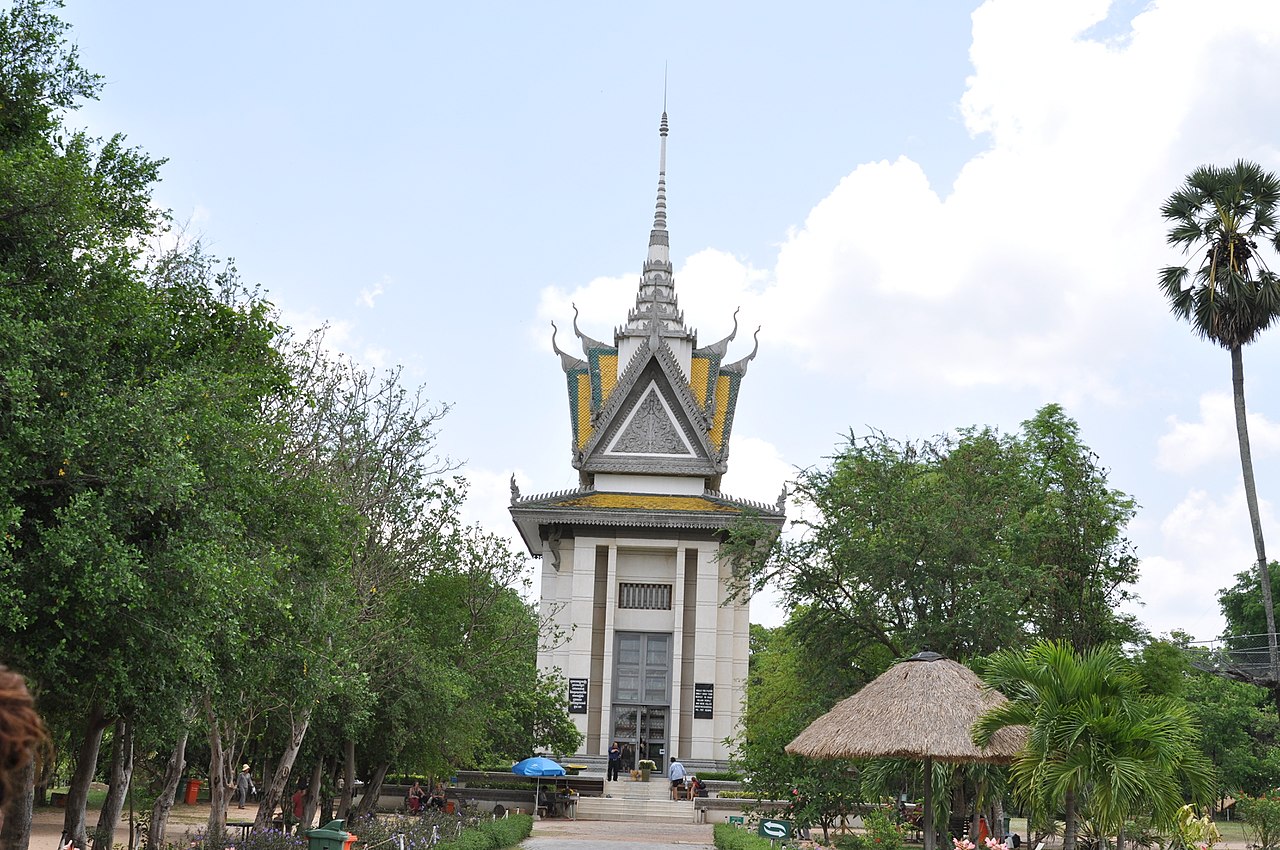
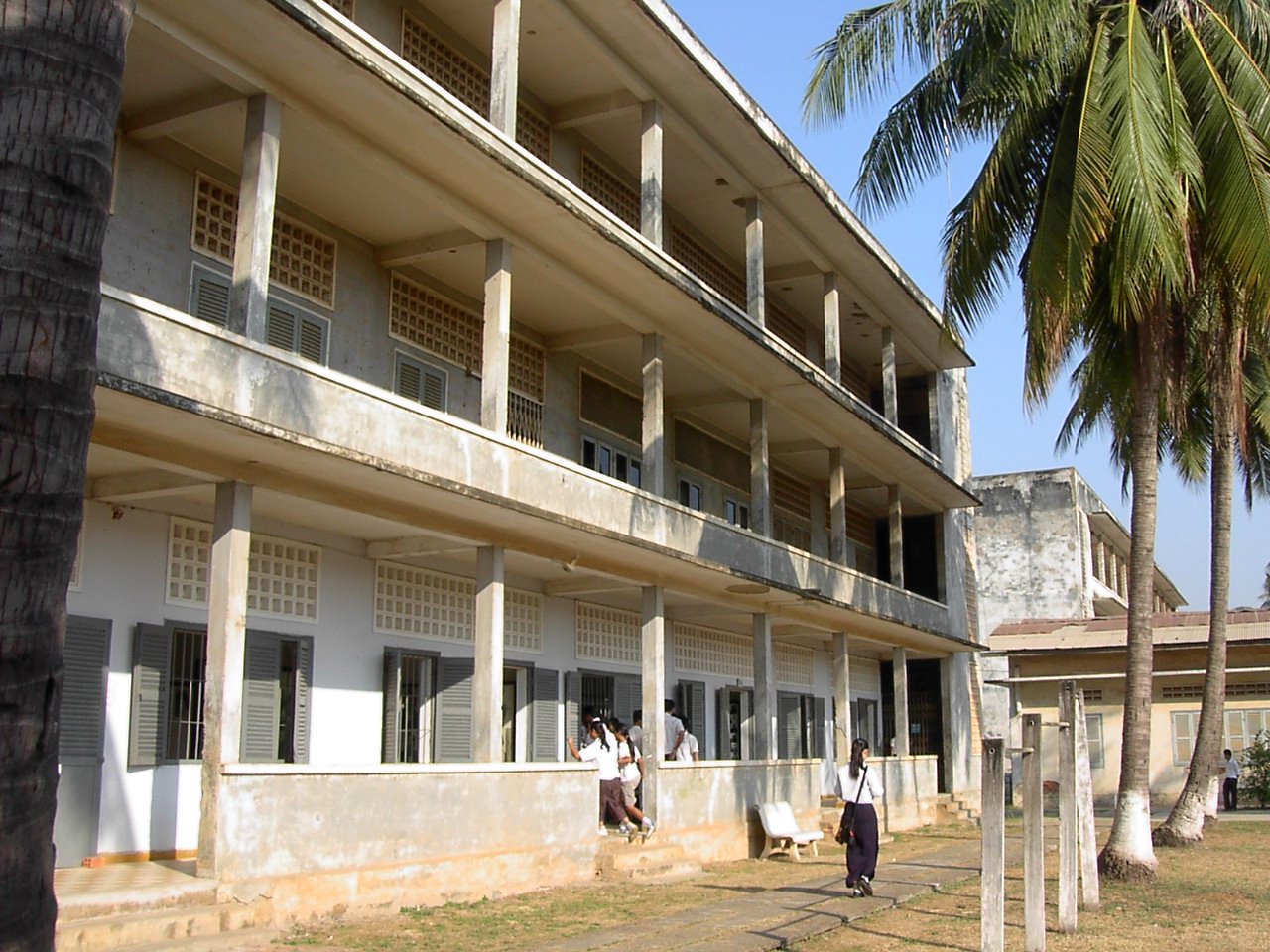
The human toll of Democratic Kampuchea was catastrophic. Estimates put the number of deaths during the regime at roughly two million people, a substantial proportion of the country’s population, caused by execution, forced labour, malnutrition and disease. Detention centers such as Tuol Sleng (commonly known as S-21) and numerous mass grave sites—often referred to as the Killing Fields—became grim symbols of this period. The scale and intentional nature of many killings have led scholars and international bodies to describe the events as genocide or crimes against humanity.
End of the regime and international response
Relations with neighboring states deteriorated during Democratic Kampuchea, culminating in an armed intervention by Vietnam. Vietnamese forces entered Cambodia in late 1978 and early 1979 and overthrew the Khmer Rouge government, establishing the People's Republic of Kampuchea in its place. Despite the regime’s collapse on the ground, the Khmer Rouge delegation and the name Democratic Kampuchea continued to claim representation in some international bodies for several years, a matter that complicated diplomatic and humanitarian responses.
History, memory, and later developments
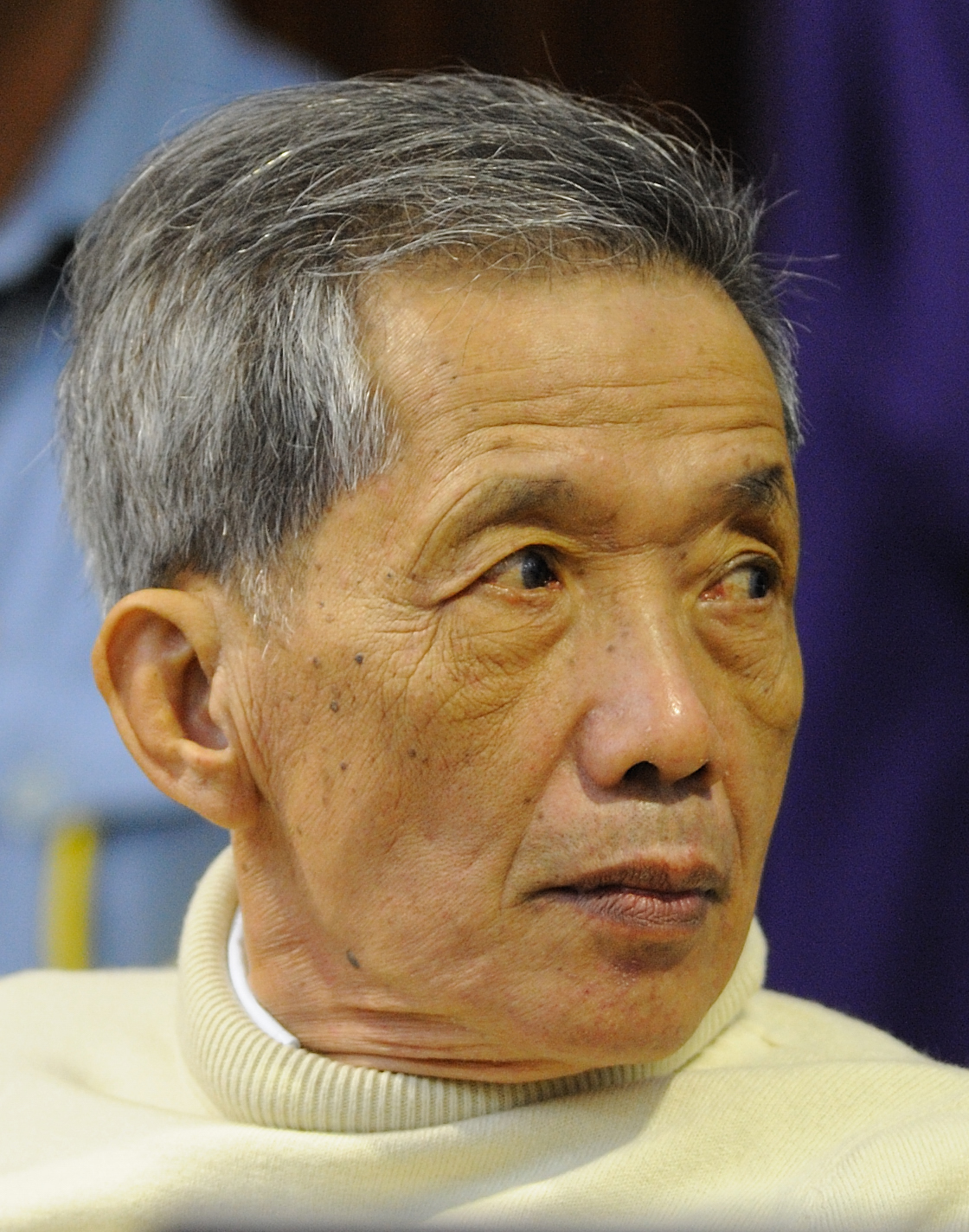
After the fall of the regime, Cambodia endured a prolonged period of occupation, internal conflict, and eventual peace processes. Efforts to document abuses and bring senior leaders to trial were slow and contentious; decades later, specialized tribunals and national courts prosecuted several senior figures. The trauma of those years has had lasting social and demographic effects, shaping Cambodia’s politics, society, and efforts at reconciliation. For further general context on the country and the historical names used, see Cambodia (Kampuchea).
Notable facts and distinctions
- The regime attempted to eliminate supposed class enemies and to social-engineer a rural utopia through violent means.
- Ethnic and religious minorities—including Vietnamese, Chinese, and Cham Muslims—were among the groups disproportionately affected.
- Widespread starvation and forced labour were central mechanisms of control and contributed heavily to mortality (starvation).
- The fall of Democratic Kampuchea followed the Vietnamese invasion that installed a new government, while international debate persisted over recognition and legal responsibility.
The period of Democratic Kampuchea remains one of the most studied and mourned chapters in modern Southeast Asian history. Academic research, survivors' testimonies, memorials, and legal proceedings have all contributed to an ongoing effort to understand the causes, mechanisms and consequences of state-directed violence under the Khmer Rouge.
For more concise entries and primary-source collections, consult general reference materials and survivor archives; some online resources and institutional repositories use the historical name Kampuchea or the movement name Khmer Rouge in their catalogs.
Additional reading and documentary materials are available through specialized historical projects and legal records; see also efforts at memorialization and the scholarly literature addressing questions of responsibility and reconciliation.
Further links: Pol Pot background, Vietnam–Cambodia conflict, famine and food policy, legal classification of crimes.
Related articles
Author
AlegsaOnline.com Democratic Kampuchea (1975–1979) — the Khmer Rouge regime in Cambodia Leandro Alegsa
URL: https://en.alegsaonline.com/art/26492
Sources
- books.google.com : 219
- nytimes.com : "Khmer Rouge's Slaughter in Cambodia Is Ruled a Genocide" · web.archive.org
- news.bbc.co.uk : Khmer Rouge leader admits crimes
- archive.zcommunications.org : Noam Chomsky on Cambodia under Pol Pot