
Democratic Party of Japan (Minshutō)
A centre to centre-left Japanese political party (1998–2016). It became the main opposition, led the government from 2009–2012, and dissolved into successor formations in 2016.
Overview
The Democratic Party of Japan (Minshutō) was a major centre to centre-left political party in Japan, active from 1998 until its formal dissolution in March 2016. Founded as a unified opposition vehicle, the party sought to challenge the long-dominant Liberal Democratic Party and advocated for administrative reform, expanded social welfare, and a more transparent, citizen-centered government. It served both as the main opposition for long periods and as the governing party after a landmark electoral victory in 2009.
Image gallery
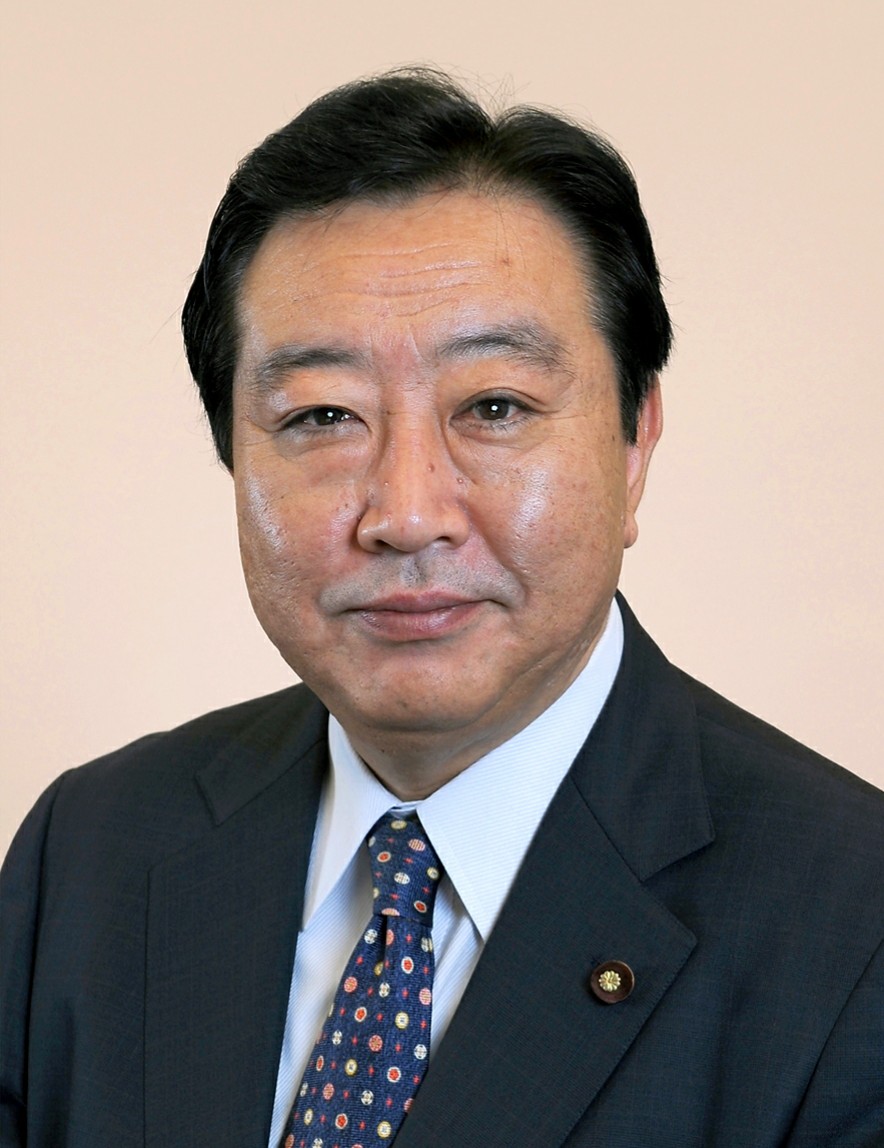
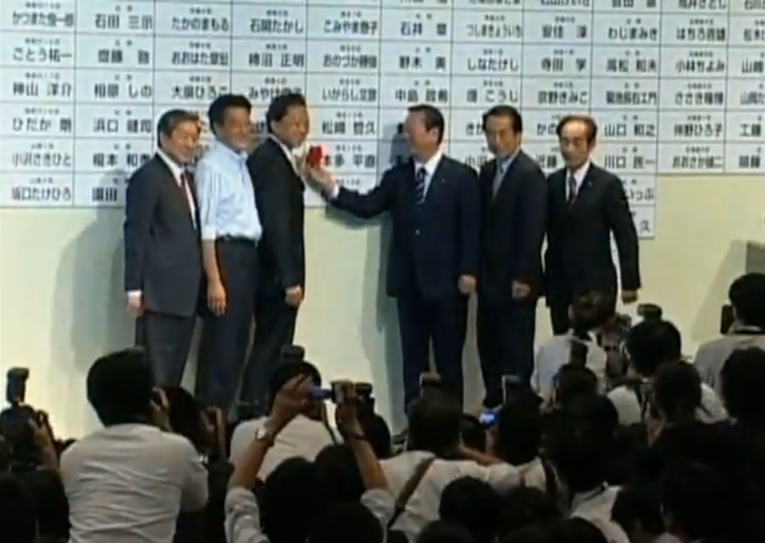
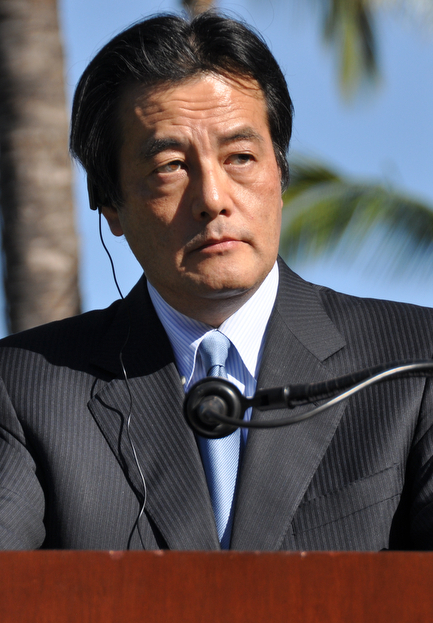
10 Images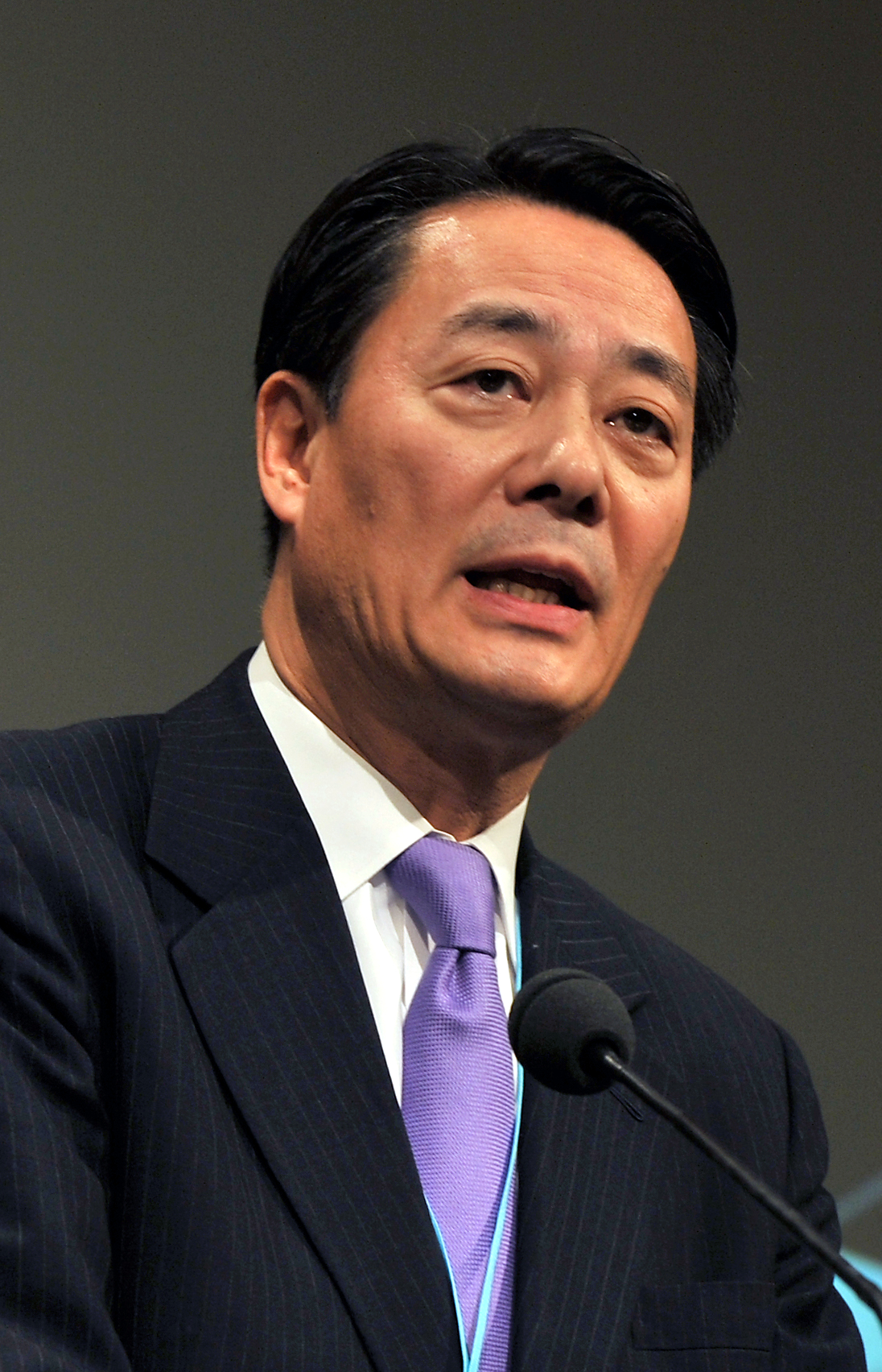




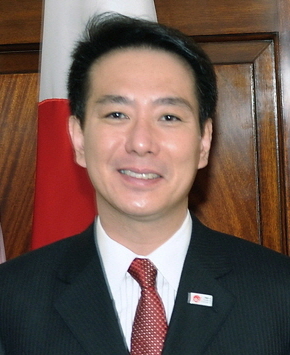

Origins and development
The party emerged in April 1998 from a coalition of smaller opposition groups and defectors who sought to consolidate non-LDP forces into a credible national alternative. Over its lifetime the DPJ brought together politicians from diverse backgrounds, which produced internal factionalism but also a broad policy platform. The party's rise culminated in the 2009 general election, when it won a decisive majority in the House of Representatives and formed the government for the first time in its history.
Organization and policy positions
As a big-tent centre-left party, the DPJ combined commitments to social safety nets and consumer protections with calls for decentralization and bureaucratic reform. Its stated priorities included:
- strengthening public services and social welfare;
- reducing the influence of entrenched bureaucratic interests;
- promoting transparency and reducing political clientelism;
- pursuing pragmatic foreign and security policies while maintaining the US–Japan alliance.
Electoral record and significance
The DPJ's most notable achievement was its 2009 landslide victory, which ended decades of near-continuous rule by the Liberal Democratic Party and allowed DPJ leaders to serve as prime ministers. However, governing challenges, internal divisions, and shifting public support led to electoral setbacks; the party lost power in 2012 and struggled to regain its position thereafter. Throughout its existence the DPJ functioned as the principal rival to the LDP and shaped debates on governance and reform in contemporary Japan. For context on the party it often opposed, see the Liberal Democratic Party.
Dissolution and legacy
In March 2016 the Democratic Party of Japan formally dissolved and its membership dispersed into new or reconstituted political formations. The party's legacy includes a demonstration that the long-standing one-party dominance could be interrupted, a period of policy experimentation at the national level, and influence on later opposition strategies. Scholars and commentators often view the DPJ as both a milestone in Japanese party politics and a cautionary example about the difficulties of governing as a heterogeneous coalition.
Notable figures and further reading
Several high-profile politicians led or served in DPJ governments and cabinets. For primary source material, party platforms and archived documents were formerly available through the party's communications; some records and summaries can be consulted via the party's historical pages or archives (see party information). The DPJ remains an important subject for understanding party realignment and policy debates in early 21st-century Japan.
Related articles
Author
AlegsaOnline.com Democratic Party of Japan (Minshutō) Leandro Alegsa
URL: https://en.alegsaonline.com/art/26498
Sources
- books.google.com : "1945: Post-Second World War Japan"
- books.google.com : "Japan"