
Democratic Centralism
Organizational principle from Leninist practice: open internal debate followed by binding decisions and disciplined implementation, used by communist parties and debated for its democratic and authoritarian effects.
Democratic centralism is an organizational principle developed in the early 20th century within Marxist–Leninist movements. It combines two elements: internal discussion (democracy) and unified implementation (centralism). In theory, members and delegates may freely discuss policies and elect leadership, but once a decision is adopted by the party or its organs it becomes obligatory for all members to follow and implement.
Image gallery
10 Images


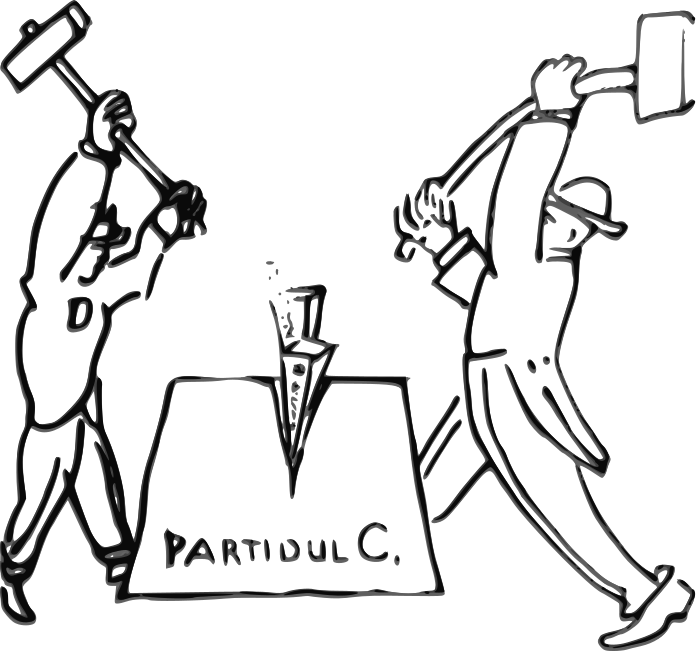

Core features
The model rests on a few linked concepts:
- Debate and election: open deliberation and competitive elections at lower levels of the organization;
- Binding decisions: once a majority decision is made, all levels and members are expected to carry it out;
- Centralized discipline: a hierarchy that ensures uniform policy and coordinated action;
- Leadership accountability: in principle leaders are accountable to party congresses or committees that can replace them.
Origins and historical development
The phrase and practice became associated with Vladimir Lenin and the Bolshevik Party. Early proponents argued it was necessary to maintain unity in a clandestine revolutionary movement and to prevent factionalism. Prominent historical actors adapted the principle in different ways: for example, the Bolshevik organization in Russia implemented structures that prioritized collective decisions, and later leaders invoked the rule to consolidate control. Critics note that during the 1920s it was used as a tool by figures such as Joseph Stalin to suppress opposition and centralize authority.
Uses, variations and criticisms
Different communist parties and movements have interpreted democratic centralism variably. Some emphasize robust internal democracy with periodic pluralism; others stress strict discipline and the primacy of the leadership. Supporters argue it enables rapid, coordinated action and prevents paralysis from persistent dissent. Detractors argue it can become a mechanism for silencing minority views, institutionalizing top-down control and undermining genuine democratic discussion.
Contemporary relevance and distinctions
Outside classical Leninist parties, variations of the idea appear in organizations that combine elected deliberation with binding mandates for unified action, such as trade unions or activist networks. Scholarship and political commentary often distinguish between the theory of democratic centralism as a means of organizing collective decision-making and its historical practice, which has at times diverged sharply from the democratic element promised by its proponents. For further reading on theoretical origins, see discussions of Leninist party organization at Leninist theory.
In summary, democratic centralism remains a contested concept: praised for enforcing unity and criticized for enabling authoritarian concentration of power, its effects depend heavily on institutional safeguards, political culture, and the balance maintained between open debate and centralized enforcement.
Related articles
Author
AlegsaOnline.com Democratic Centralism Leandro Alegsa
URL: https://en.alegsaonline.com/art/26490