
Demaratus (Spartan king)
Demaratus was a Eurypontid king of Sparta in the early 5th century BC who was deposed after political rivalry and spent his later life as an exile and Persian client who advised Xerxes.
Overview
Demaratus (Δημάρατος) was a king of Sparta from about 515 to 491 BC. He belonged to the Eurypontid royal house and ruled alongside the Agiad king Cleomenes I as part of Sparta's dual-kingship system. His reign is best known for its abrupt end after a bitter political struggle and for his subsequent exile at the Persian court, where he figures in the accounts of the Persian invasions of Greece.
Image gallery
6 Images
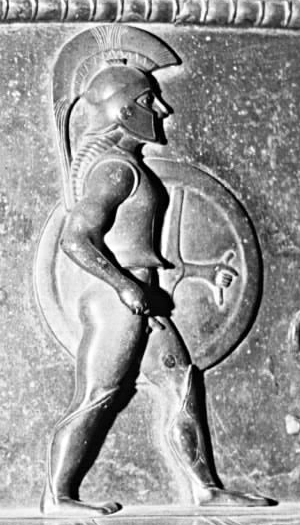

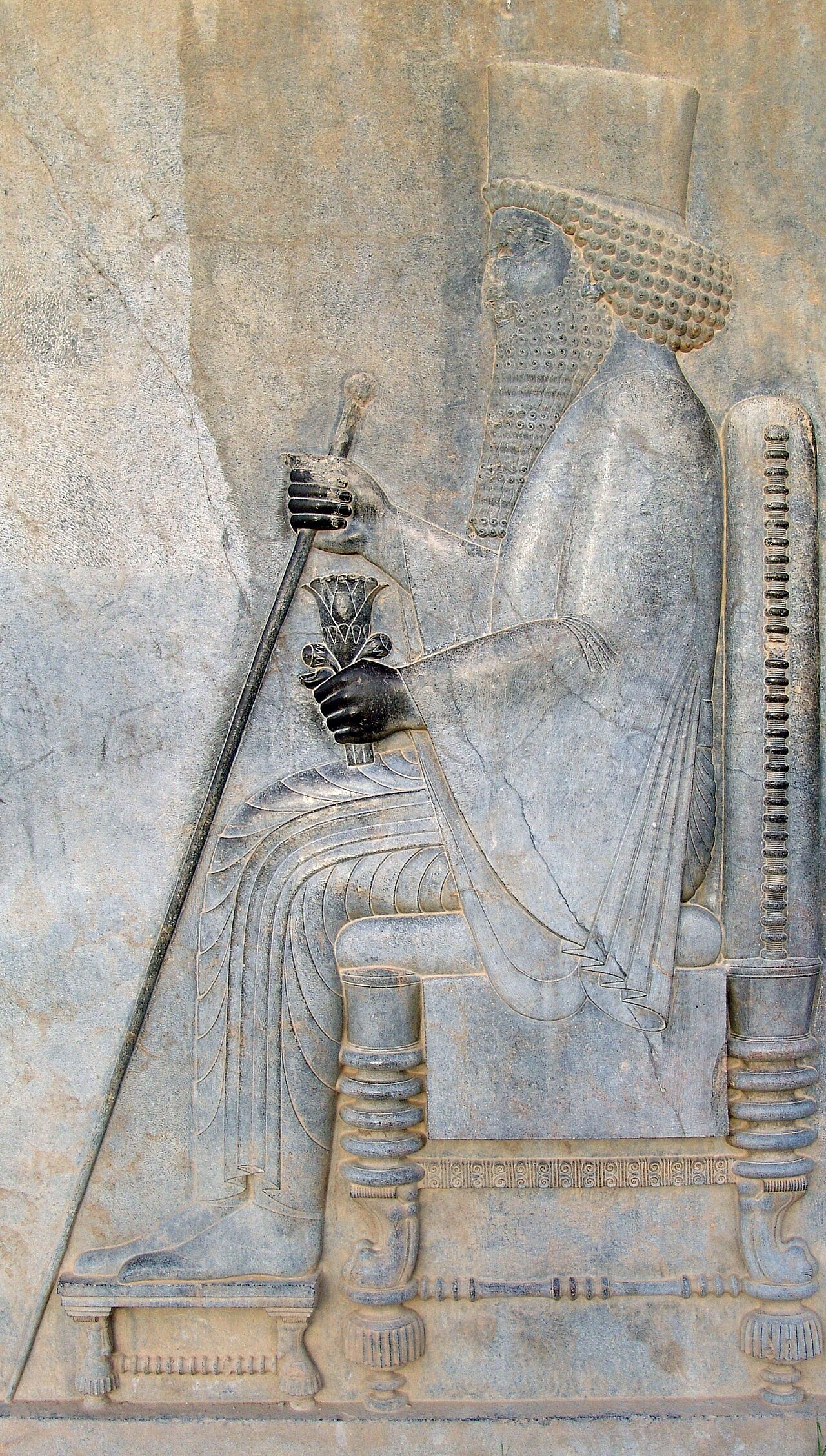
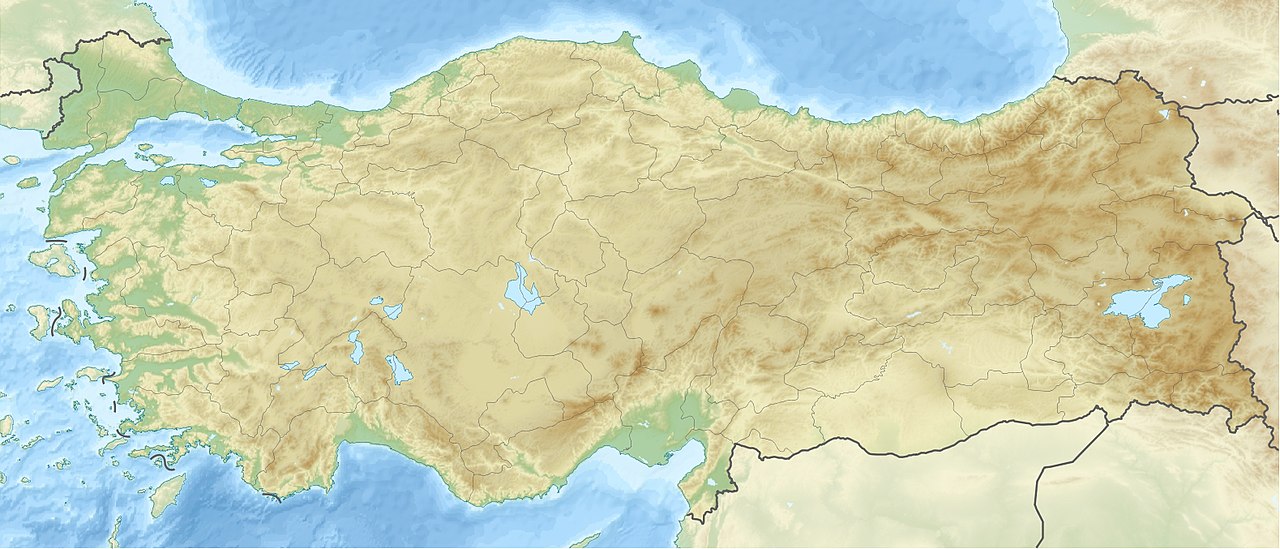

Background and kingship
Sparta's political structure featured two hereditary kings drawn from separate families. Demaratus inherited the Eurypontid throne after the death of his father Ariston and exercised the religious and military duties expected of a Spartan monarch. His authority, however, operated within the constraints of other institutions such as the ephors and the paired kingship, which could produce rivalry as well as cooperation.
Rivalry and deposition
During the 490s BC Demaratus became embroiled in an intense personal and political conflict with his colleague Cleomenes I. According to surviving Greek historians, Cleomenes sought to replace Demaratus with another claimant, Leotychides, and set in motion legal and religious maneuvers to do so. In one decisive development the oracle at Delphi was persuaded to pronounce against Demaratus' legitimacy; sources describe this as the result of political manipulation rather than an independent judicial process. The oracle's statement deprived Demaratus of the kingship, after which he continued briefly in public office as a magistrate before leaving Sparta.
Exile and service to Persia
Following his fall from power, Demaratus went into exile. Rather than seeking refuge within Greece he entered the service of the Persian royal house. The Persian king Darius I is reported to have received him as an honored guest and granted him lands and income in Asia Minor. In this new role Demaratus acted as a client of the Persian court, a figure who could provide intelligence on Greek affairs and lend legitimacy to Persian dealings with Greek-speaking communities.
Role in the Persian invasions
When Xerxes I led the major invasion of the Greek mainland in 480 BC, Demaratus accompanied the expedition. Classical accounts record that he warned Xerxes not to underestimate the Spartans' discipline and resolve prior to the fighting at Thermopylae. He appears in narratives as an adviser and interpreter of Greek character for the Persian commanders, and his presence illustrates how political exiles could become intermediaries between rival powers.
Historical assessment and sources
Most of what is known about Demaratus comes from later Greek historians, above all Herodotus, who combined oral reports, official records, and moralized storytelling. Because the surviving narrative blends political intrigue, religious authority, and personal rivalry, modern scholars treat some details with caution. Nevertheless, Demaratus' career—king, deposed monarch, and foreign client—remains an important example of how elite conflict, religion, and international politics intersected in the Archaic and early Classical Greek world.
Key events
- Accession as Eurypontid king of Sparta (c. 515 BC).
- Escalating rivalry with co-king Cleomenes I, leading to deposition (491 BC).
- Oracle of Delphi involved in the dispute and its outcome.
- Exile to Persia and reception by Darius I, with grants of cities and income.
- Participation in Xerxes' invasion of Greece and warning before Thermopylae (480 BC).
For further reading see general introductions to Sparta and the Persian wars; sources include classical narratives and modern scholarship that examine the political and religious institutions implicated in Demaratus' story. Related topics include Sparta's dual kingship (co-kingship), the city-state of Sparta, and the role of oracles such as Delphi in public life. His temporary public role after deposition is sometimes described as a magistracy, and his departure as an exile led him to lands and cities granted by Persia (cities). He later joined Xerxes' campaign (Xerxes' invasion) against Greece and advised the king before the engagement at Thermopylae.
Related articles
Author
AlegsaOnline.com Demaratus (Spartan king) Leandro Alegsa
URL: https://en.alegsaonline.com/art/26462