
Deep Cover (1992 film)
1992 neo-noir crime thriller directed by Bill Duke, starring Laurence Fishburne as an undercover officer who infiltrates a Los Angeles drug ring; noted for its moral ambiguity and the Dr. Dre/Snoop Dogg title track.
Overview
Deep Cover is a 1992 crime-thriller produced by New Line Cinema and distributed to theaters via Warner Bros. The film follows a law-enforcement officer from Cincinnati who accepts an assignment to go undercover in Los Angeles to infiltrate a narcotics network. The lead role is played by Laurence Fishburne, and the cast includes other well-known performers and supporting characters. The picture opened in April 1992 and received generally positive reviews from critics while attracting attention for its gritty tone.
Image gallery
1 Image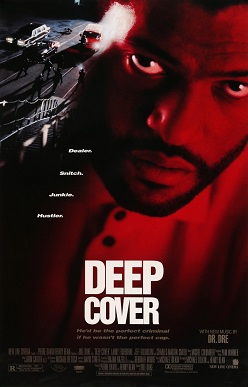
Plot and themes
At its core, the story examines identity and the moral stress of undercover work: an upright officer must adopt a criminal persona to survive and gain trust within a drug organization. The narrative develops as loyalties blur and the protagonist faces choices that test his original mission and personal ethics. The film is often described as neo-noir for its shadowed moral landscape, realistic violence, and urban setting.
Production and key contributors
Directed by Bill Duke, the film mixes procedural detail with character-driven drama. Its production emphasized authenticity in police procedures and the atmosphere of early-1990s Los Angeles. The screenplay balances action elements with psychological pressure, and the cinematography and editing reinforce the tense, claustrophobic mood of undercover operations.
Soundtrack and cultural impact
Deep Cover is notable for its music as well as its story. The title song "Deep Cover," produced by Dr. Dre and featuring Snoop Dogg in one of his earliest recorded appearances, became emblematic of the film's hard-edged style and helped the soundtrack reach a wider audience. The song and score contributed to the film's lasting recognition in crime cinema and hip-hop culture.
Reception and legacy
Upon release the film was praised for strong performances and its unflinching portrayal of the undercover experience. Reviewers highlighted the lead actor's intensity and the director's control of tone. Over time it has been discussed in studies of crime films and police dramas for its realistic approach and thematic focus on corruption, identity, and the personal cost of law enforcement work.
Further reading
- Theatrical release details
- Undercover policing as a real-world practice and topic
- Urban settings in crime cinema
Related articles
Author
AlegsaOnline.com Deep Cover (1992 film) Leandro Alegsa
URL: https://en.alegsaonline.com/art/26210