
Cincinnati: Riverfront Midwestern City in Southwest Ohio
Cincinnati, Ohio, is a historic river city known for its German heritage, 19th‑century architecture, major universities and corporations, a vibrant arts and food scene, and professional sports teams.
Overview
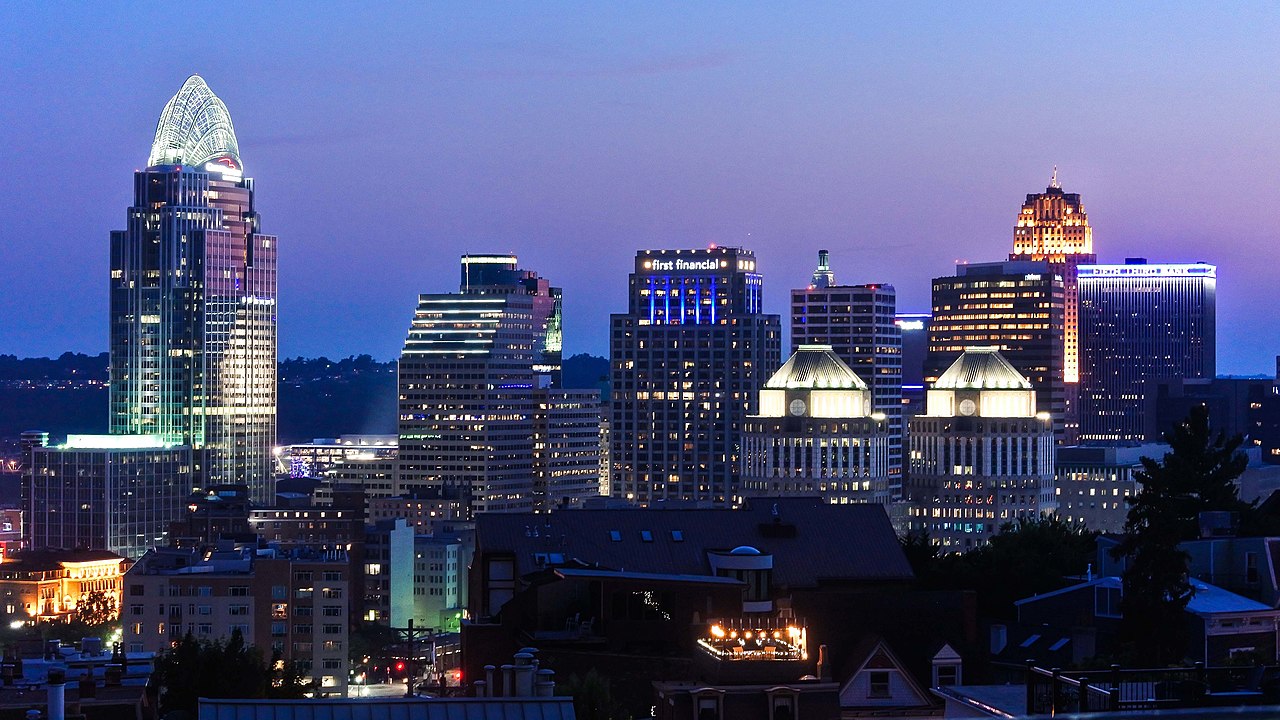
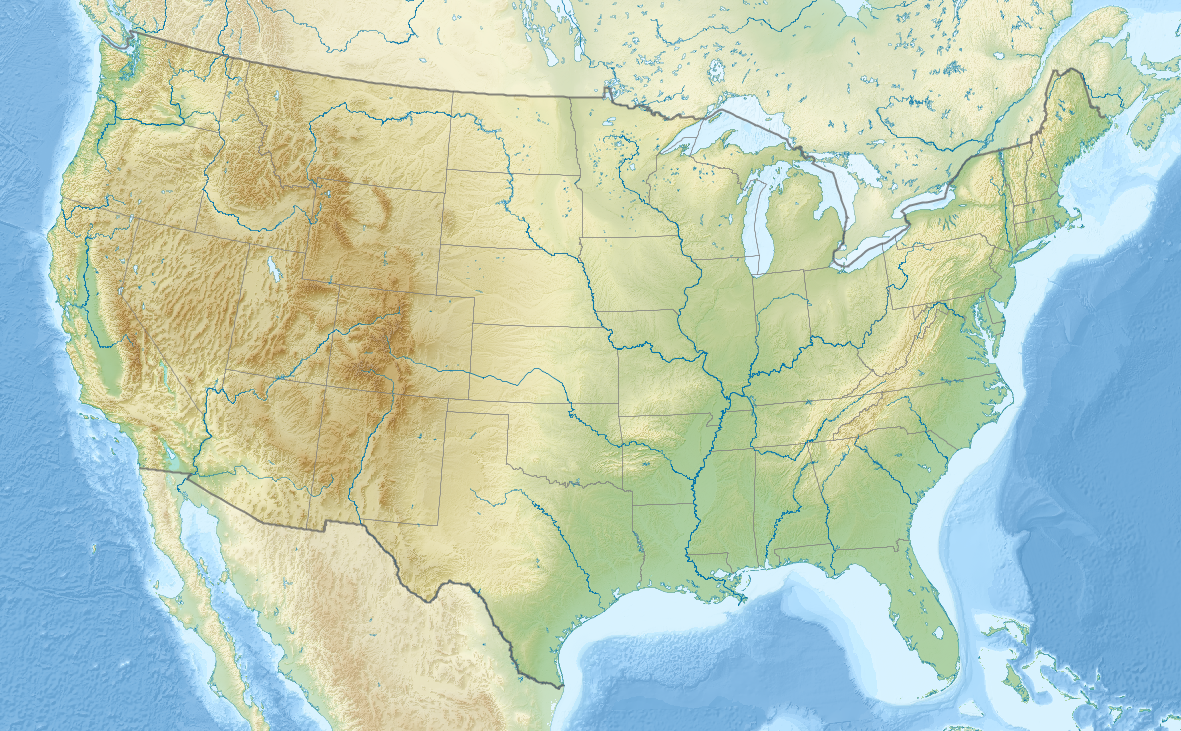
Cincinnati sits on the north bank of the Ohio River in the southwestern corner of the state of Ohio, near the borders with Kentucky and Indiana. Long known as the Queen City, Cincinnati grew as a river port and regional commercial center. Its topography of riverfront lowlands and steep, developed hillsides gives the metropolitan area a varied urban character that combines industrial sites, historic neighborhoods and modern redevelopment along the river.
Image gallery
10 Images




Geography and climate
The city occupies a corridor along the Ohio River and is part of a larger metropolitan region that extends into neighboring states. The river has shaped Cincinnati’s economy, transportation and settlement patterns. Summers are typically warm and humid while winters are cool to cold; seasonal changes influence outdoor festivals, riverfront activities and park use.
History and development
Early growth in the 19th century made Cincinnati one of the Midwest’s major cities. It was a leading center for meatpacking and earned the nickname Porkopolis in the 1800s. Large waves of German immigrants contributed to the city’s culture, language, and institutions, and many neighborhoods reflect that heritage. Over time the local economy diversified from manufacturing into services, education, health care and corporate operations. Like many older industrial cities, Cincinnati experienced mid‑century population shifts and economic challenges before renewed investment and preservation efforts in recent decades.
Neighborhoods and architecture
Cincinnati contains distinctive districts such as Over‑the‑Rhine, noted for one of the largest concentrations of Italianate commercial buildings in the United States. Other neighborhoods—Downtown, Mount Adams, Hyde Park, Walnut Hills and Northside—each have recognizable built environments and community identities. Cultural landmarks include historic performance halls, civic buildings and renovated warehouses repurposed for housing, retail and arts uses.
Economy, education and institutions
The regional economy includes manufacturing, finance, consumer goods, health care and education. Major corporations associated with the city include Procter & Gamble and retail interests historically connected to Macy's. Higher education and medical research are important economic drivers: the University of Cincinnati traces institutional roots to early 19th‑century medical training and today offers programs in engineering, medicine, arts and urban planning. The metropolitan area is also home to regional hospitals, research centers and a range of professional service firms.
Culture, cuisine and attractions
Cincinnati’s cultural scene blends museums, performing arts, and neighborhood festivals. The city is known for local specialties such as Cincinnati chili and goetta, and for long‑standing markets like Findlay Market. Museums, music venues and historic sites draw visitors and residents alike. The National Underground Railroad Freedom Center and other institutions interpret the region’s role in American history. Public spaces and riverfront parks have been developed to host concerts, markets and civic events.
Sports and events
Sports are central to civic identity. The city’s professional franchises include the Cincinnati Reds, one of baseball’s oldest clubs, and the Cincinnati Bengals of the National Football League. Annual sporting events, tennis tournaments, running races and neighborhood parades contribute to a lively calendar of public events. Local fan traditions and stadium areas also play a role in downtown life and hospitality industries.
Transportation and infrastructure
Cincinnati is a regional transportation hub with highways, river terminals and rail connections that link the city to inland and interstate networks. Public transit service and efforts to improve cycling, pedestrian access and regional rail are part of ongoing planning discussions. Riverfront redevelopment projects have emphasized reconnecting neighborhoods to the Ohio River through parks, trails and mixed‑use investment.
Revitalization and challenges
In recent decades Cincinnati has pursued preservation of historic districts alongside targeted economic development. Over‑the‑Rhine's renovation, downtown riverfront projects and growth in education and health services illustrate these efforts. Challenges remain common to older urban centers: ensuring equitable housing, expanding transit options, and supporting inclusive economic opportunity while managing growth and gentrification concerns.
Notable institutions and places
- Historic Over‑the‑Rhine and 19th‑century commercial architecture.
- Major universities and medical centers, contributing to research and workforce development.
- Significant cultural venues, markets and public parks along the Ohio River.
- Longstanding sports traditions tied to the city’s professional teams and community events.
For local guides, official information and institutional resources consult city and organizational pages such as municipal services, university sites and corporate information: city resources, academic pages like the University of Cincinnati, and company profiles such as Procter & Gamble. Regional tourism and cultural organizations publish detailed visitor information and event calendars for those wishing to explore Cincinnati’s neighborhoods, museums and riverfront attractions.
Related articles
Author
AlegsaOnline.com Cincinnati: Riverfront Midwestern City in Southwest Ohio Leandro Alegsa
URL: https://en.alegsaonline.com/art/20394
Sources
- commons.wikimedia.org : Cincinnati, Ohio
- factfinder2.census.gov : "American FactFinder"
- cleveland.com : "2016 Census population estimates for every U.S. city, county, state (database)"
- zip4.usps.com : "Zip Code Lookup" · web.archive.org
- factfinder2.census.gov : "American FactFinder" · web.archive.org
- geonames.usgs.gov : "US Board on Geographic Names"
- magazine.uc.edu : "UNIVERSITY OF CINCINNATI HISTORY IN BRIEF"
- politico.com : "How Cincinnati Salvaged the Nation's Most Dangerous Neighborhood"