
Decompression chamber (recompression and hyperbaric therapy)
A pressurized enclosure used to manage pressure-related injuries from diving and to deliver hyperbaric oxygen therapy; supports controlled pressure changes and medically supervised treatment.
Overview
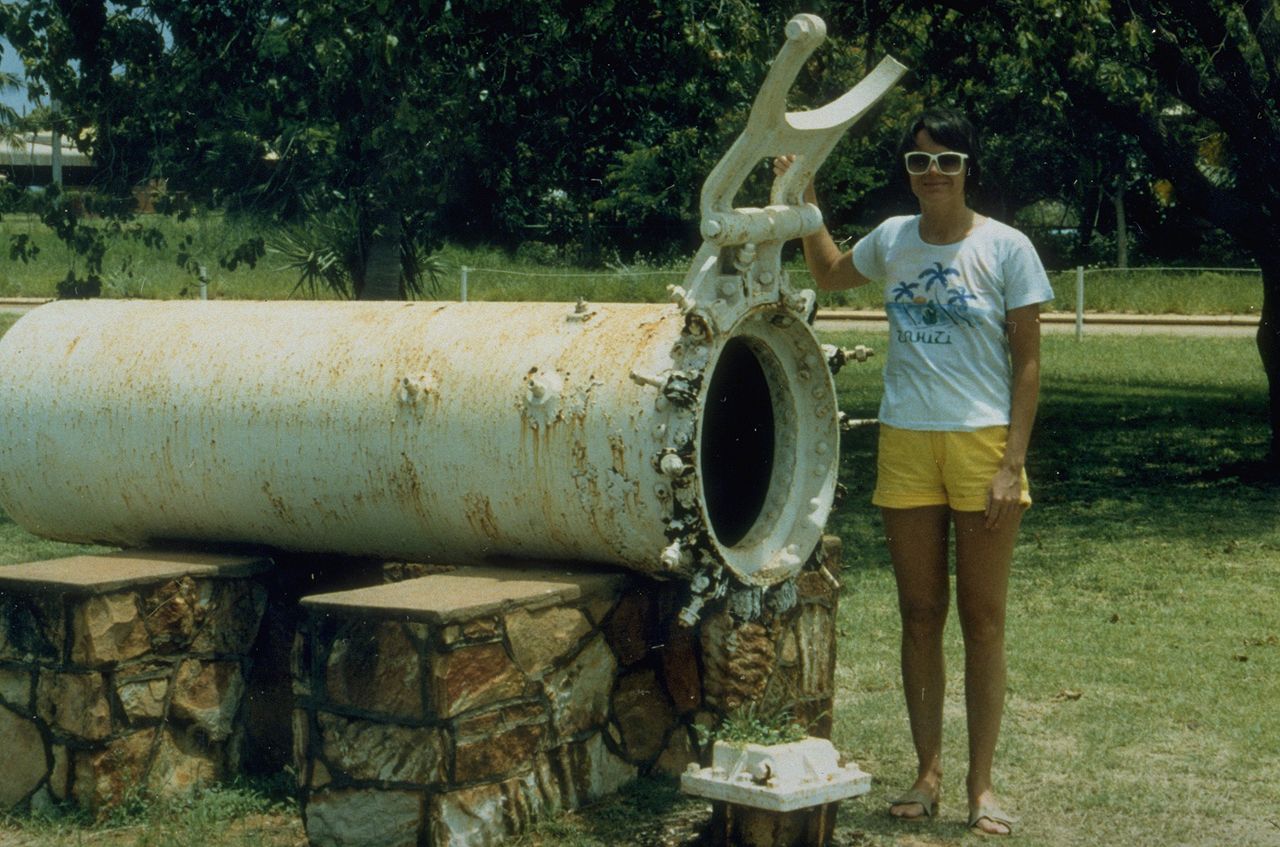
A decompression chamber is a pressurized enclosure designed to expose occupants to pressures greater than normal atmospheric pressure and then return them to atmospheric conditions in a controlled way. Also called a recompression chamber or, when used for medical oxygen delivery, a hyperbaric oxygen therapy (HBOT) chamber, it is commonly used in diving medicine and other clinical settings. The equipment allows clinicians and attendants to simulate the pressure a diver experienced underwater, to relieve or prevent injuries caused by rapid pressure change.
Image gallery
10 Images




Design and main components
Chambers vary by size and function but share basic elements that permit safe pressurization, ventilation, and patient monitoring. Two broad categories are recognized:
- Monoplace chambers — designed for a single patient, typically pressurized with pure oxygen and used for many HBOT treatments.
- Multiplace chambers — larger units that accommodate several people simultaneously, often pressurized with air while patients breathe oxygen through masks or hoods; these are common for diving emergencies because attendants can enter with the patient.
Key components include a pressure vessel, air and oxygen supply systems, pressure-control valves, intercoms, seating or stretchers, medical monitoring equipment, and safety systems to manage fire and gas contamination risks. Operators control pressure in terms of atmospheres absolute (ATA) or equivalent depths and follow established schedules for compression and staged decompression.
Medical and diving uses
The primary diving-related indication is treatment of decompression sickness (the bends) and arterial gas embolism, where recompression helps reduce bubble size and supports inert gas elimination. Chambers are also widely used for clinical hyperbaric oxygen therapy, which can assist in the treatment of conditions such as carbon monoxide poisoning, certain non-healing wounds, radiation tissue injury, and gas gangrene. In many rescue situations, surface decompression with a chamber is employed instead of lengthy in-water decompression stops—allowing faster, safer treatment in cold or hazardous surface conditions.
Procedure and typical practice
Treatment begins with medical assessment and placement inside the chamber. For diving injuries, the chamber is compressed to a target pressure and the patient breathes oxygen according to a protocol that balances oxygen benefit with the risk of oxygen toxicity. Sessions can include multiple periods of oxygen breathing interleaved with air breaks, and total treatment time varies with the severity of symptoms and response. Multidisciplinary teams monitor vital signs, provide supportive care, and adjust the pressure schedule as needed.
Safety, contraindications and limitations
While effective, chambers carry specific risks. Elevated oxygen concentrations increase fire hazard, so strict oxygen safety protocols are essential. Barotrauma to the ears, sinuses or lungs, claustrophobia, and ear or sinus blockages are common complications; an untreated pneumothorax is a serious contraindication to pressurization. Properly trained operators and medical oversight are required to identify risks and manage complications. Availability and cost can limit access in some regions.
History and context
The concept of using elevated pressure for medical or diving purposes developed alongside advances in diving and aerospace medicine. Early forms of pressurized chambers evolved from diving bells and simple pressure vessels; over time, clinical hyperbaric medicine became an established specialty, and recompression chambers became standard equipment on many vessels and at specialized treatment centers. Today, chambers bridge emergency diving care and a range of therapeutic applications, with standardized protocols and international guidelines guiding safe and effective use.
Related articles
Author
AlegsaOnline.com Decompression chamber (recompression and hyperbaric therapy) Leandro Alegsa
URL: https://en.alegsaonline.com/art/26189