
Definitely Maybe (debut album by Oasis)
Debut studio album by English rock band Oasis, released in 1994 by Creation Records. A defining Britpop record known for its anthemic songs, guitar-driven sound, and cultural impact in the 1990s.
Overview
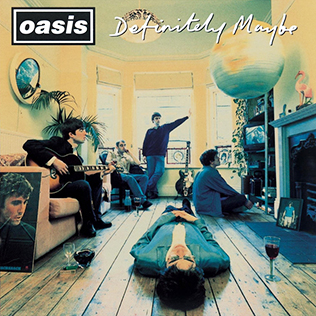
Definitely Maybe is the first studio album by the English rock band Oasis. Released in late August 1994 by Creation Records, it introduced the band's blend of loud, melody-led rock and confident, youth-focused lyricism. The record established Oasis as a leading voice in the 1990s British music scene and helped spark wider interest in what became known as Britpop.
Image gallery
3 Images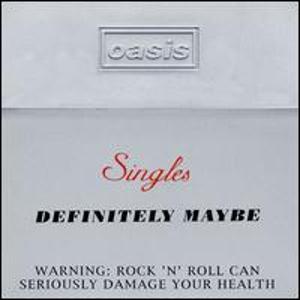

Recording and production
The album was recorded following several early singles and line-up changes. Production emphasized layered electric guitars, driving rhythms, and a straightforward approach to songwriting. The arrangements sought to balance raw live energy with pop sensibility, producing a sound that was both immediate and polished enough for radio play.
Music, themes and style
Definitely Maybe combines propulsive rock riffs with singalong choruses and lyrical themes of aspiration, working-class life, and defiance. Influences from 1960s British rock and American classic rock are evident, but the album is distinguished by concise songcraft and memorable hooks designed for live performance. Vocal contrast between the lead singer and backing parts contributes to the record’s anthemic feel.
Singles and notable tracks
- "Supersonic" — an early single that introduced the band's sound.
- "Live Forever" — a song often cited for its optimistic tone.
- "Cigarettes & Alcohol" — a raucous rock number reflecting youth culture.
- "Rock 'n' Roll Star" — an opening statement of intent and attitude.
- "Whatever" — a melodic composition known for its sweeping arrangement.
Release, reception and legacy
Upon release the album received strong commercial and critical attention, quickly becoming one of the most talked-about British debuts of its decade. Critics highlighted its melodies and confidence, and listeners responded to its anthems and swagger. Over time Definitely Maybe has been regarded as an influential record that helped define mid-1990s British rock and inspired numerous bands that followed.
Notable facts and distinctions
As a debut, the album is frequently mentioned in discussions of defining releases of its era for both its cultural impact and its role in popularizing a guitar-driven revival in British music. Its combination of immediacy, memorable hooks, and a defiant attitude remains a central reason for its enduring recognition.
Related articles
Author
AlegsaOnline.com Definitely Maybe (debut album by Oasis) Leandro Alegsa
URL: https://en.alegsaonline.com/art/26282