
Dealey Plaza — Dallas historic site and location of the JFK assassination
Dealey Plaza is a public square in the West End of downtown Dallas, Texas, best known as the site of President John F. Kennedy's 1963 assassination and for its memorials and museum.
Overview
Dealey Plaza is a small urban park and traffic-plaza complex in the West End of downtown Dallas, in the state of Texas. It occupies a triangular space where several streets converge and is bounded by Elm, Main and Commerce Streets. Its open lawns, paved walkways and closely surrounding buildings create a compact public space that is both an everyday city feature and a site of major historical significance.
Image gallery
10 Images




Principal features
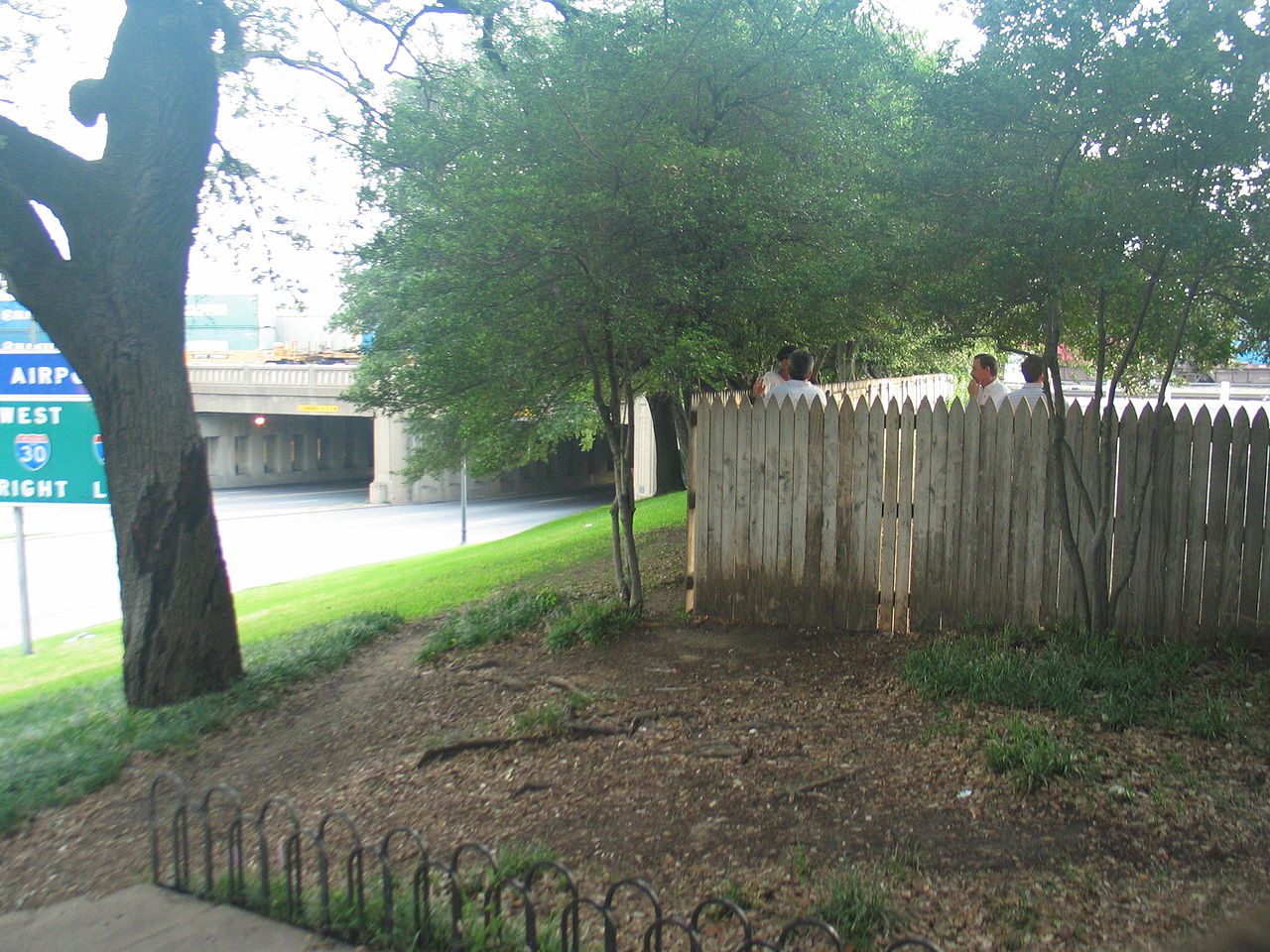
The plaza includes a raised grassy slope commonly called the grassy knoll on the northwest side, the concrete-paved road known as Elm Street where motorcades pass, and the former Texas School Book Depository building overlooking Elm Street. The building is now home to an interpretive museum dedicated to the events of November 22, 1963. Nearby structures and the rail underpass create a distinctive, tightly enclosed setting that contributes to the site's historical character.
Assassination and investigations
Dealey Plaza is best known as the place where President John F. Kennedy was shot on November 22, 1963. The subsequent official inquiries have reached different conclusions: the Warren Commission concluded that Lee Harvey Oswald fired the shots that killed the President, while the later House Select Committee on Assassinations assessed that acoustic and other evidence indicated a likelihood that more than one shooter fired, describing a high probability of conspiracy. Because of contested evidence and continuing public interest, Dealey Plaza remains central to many historical and forensic debates.
Memorials, preservation and designation
Because of its national significance, the plaza was listed as a National Historic Landmark. The area contains multiple markers and memorials that commemorate President Kennedy and the events of 1963, and it is preserved both as a public space and as a historical site. Interpretive signage, designated sightlines and directed visitor routes help convey the sequence of events while balancing public access with respect for a site that is also a place of tragedy.
Visiting and public importance
Dealey Plaza attracts historians, students, tourists and local residents. Amenities include the museum in the former book depository building, benches, viewpoints along Elm Street and guided tours that explain the layout and the chronology of the shooting. For many visitors the site functions simultaneously as an urban landmark, a place of memory and a focal point for discussions about mid-20th-century American history, political violence and public commemoration.
Notable distinctions and context
- Architectural and urban context: the plaza's triangular form and adjacent underpass create distinctive sightlines that were central to how the 1963 events unfolded.
- Historic interpretation: multiple official reports and continuing scholarship contribute to layered and sometimes competing narratives about what occurred.
- Public memory: Dealey Plaza is both conserved for its historical associations and managed as a living part of downtown Dallas, with ongoing efforts to preserve its appearance and to provide historical context for visitors.
For more information about the plaza's history, memorials and visiting resources, see local interpretive materials and institutional sites devoted to the subject.
Related articles
Author
AlegsaOnline.com Dealey Plaza — Dallas historic site and location of the JFK assassination Leandro Alegsa
URL: https://en.alegsaonline.com/art/25983
Sources
- tps.cr.nps.gov : "Dealey Plaza Historic District"
- aarclibrary.org : "House Select Committee on Assassinations Final Report"