
Death Valley Junction, California
Tiny unincorporated Mojave Desert community in Inyo County, adjacent to Death Valley National Park; notable for the Amargosa Opera House, historic crossroads, and desert heritage.
Overview
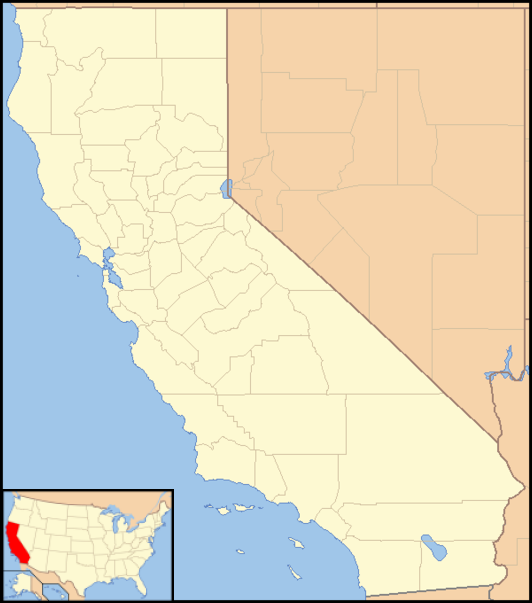
Death Valley Junction is a very small unincorporated community located in the eastern Mojave Desert of California. It lies at the crossroads of State Route 190 and State Route 127, just outside the eastern boundary of Death Valley National Park. The settlement sits at roughly 2,041 feet (622 m) elevation, uses ZIP code 92328 and has long been counted as a tiny cluster of buildings and a population often reported as fewer than twenty year-round residents.
Image gallery
7 Images



Characteristics and landmarks
Despite its size, Death Valley Junction is best known for the Amargosa Opera House and Hotel, an isolated cultural landmark that draws visitors interested in art, history and performance in a remote desert setting. The community includes a handful of period buildings, service structures and residential units clustered around the junction. Its setting in the Mojave Desert gives it stark desert scenery and wide, open skies.
History and development
The junction developed in the 20th century to serve transportation and mining-related activities in the surrounding region. It functioned as a service stop and small supply center for people traveling between mining districts, and later for motorists heading into the valley. Over time, many original commercial functions declined, leaving a largely preserved historic core and the opera house as the main focus for visitors.
Cultural importance and uses
The Amargosa Opera House has provided live performance, art installations and a unique example of grassroots cultural preservation in a remote place. The opera house and hotel operate seasonally and are a focal point for photographers, artists and travelers seeking a dramatic contrast to the busy park areas. Death Valley Junction also serves as a practical crossroads for motorists entering or leaving Death Valley National Park along State Routes 190 and 127.
Visitor information and practical notes
- Access: The junction is most easily reached by car; services are extremely limited and fuel or supplies should be obtained in larger nearby towns.
- Seasons: Summers are very hot and remote travel can be hazardous; spring and fall are more comfortable for visits.
- Etiquette: The opera house may host public programs intermittently—check ahead before planning a visit to coincide with performances or guided opportunities.
Context and notable facts
Death Valley Junction exemplifies small, historic desert crossroads that survive largely because of a singular cultural site. It is administered as part of Inyo County and is a reminder of the transportation and mining history that shaped much of the greater region. For travelers interested in quiet historic places, art in remote settings, or the transition from industrial service town to cultural waypoint, Death Valley Junction offers a compact, tangible example.
Related articles
Author
AlegsaOnline.com Death Valley Junction, California Leandro Alegsa
URL: https://en.alegsaonline.com/art/26048
Sources
- geonames.usgs.gov : U.S. Geological Survey Geographic Names Information System: Death Valley Junction
- nrhp.focus.nps.gov : "National Register Information System"