
Warren Commission
The Warren Commission was the presidential commission that investigated the 1963 assassination of John F. Kennedy, issuing a report on its findings and shaping decades of debate over motive and conspiracy.
Overview
The President's Commission on the Assassination of President Kennedy, widely known as the Warren Commission, was created to investigate the November 22, 1963 killing of President John F. Kennedy. It was established by President Lyndon B. Johnson on November 29, 1963 and charged with assembling the available evidence, interviewing witnesses, and producing a definitive account of what had occurred.
Image gallery
10 Images



Membership and methods
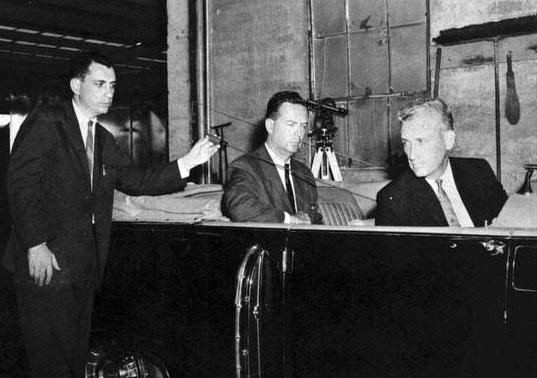
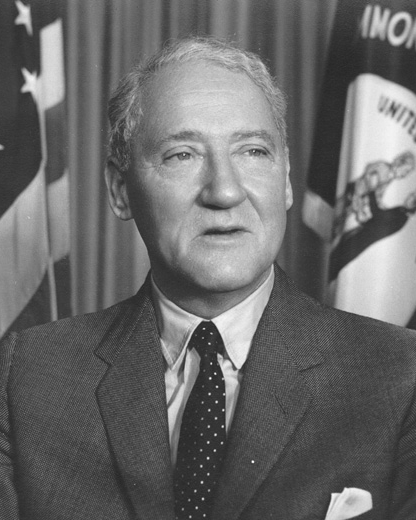
The commission was chaired by Chief Justice Earl Warren and included a mix of legislators, former officials and legal figures. Its staff drew upon federal law-enforcement agencies and independent experts to study forensic material, witness testimony, medical records and motion-picture footage such as the Zapruder film. Investigative steps included crime-scene analysis, ballistics and bullet trajectory reconstruction, autopsy review and interviews with hundreds of witnesses.
- Chair: Chief Justice Earl Warren
- Members: senators, representatives and appointed public figures
- Support: FBI, Secret Service, military and scientific consultants
Findings
After months of work the commission published its findings in a report released in 1964. The report concluded that Lee Harvey Oswald was the lone gunman who fired the shots that killed the President and that there was no credible evidence of a conspiracy involving other individuals or foreign governments. The document summarized witness accounts, physical evidence and medical conclusions to support these determinations.
Controversy and later inquiries
The Warren Commission's conclusions were met with immediate and enduring public scrutiny. Over time critics questioned aspects of the investigation and offered alternative explanations; these debates contributed to further government scrutiny, including congressional inquiries in later decades. One later investigation reached different judgments about the likelihood of conspiracy, and ongoing releases of previously classified files have continued to fuel discussion and re-examination of the evidence.
Legacy and significance
Regardless of differing opinions about its conclusions, the Warren Commission had a lasting effect on how the United States conducts high-profile investigations. Its report remains a central reference point in studies of the assassination, presidential commissions and forensic methodology. The commission also influenced reforms in witness protection, record-keeping and the oversight of agencies involved in national security and protection of public officials. For researchers and the public, the commission's records—now archived and partially declassified—continue to be a primary source for understanding the events surrounding 1963 and the ways governments respond to national crises. For contemporary readers a useful starting context is the role of President Johnson in commissioning the inquiry and the broader political climate of the era.
Questions and answers
Q: When was the Warren Commission established?
A: The Warren Commission was established on November 29, 1963.
Q: Who established the Warren Commission?
A: President Lyndon B. Johnson established the Warren Commission.
Q: What was the purpose of the Warren Commission?
A: The purpose of the Warren Commission was to investigate the assassination of President John F. Kennedy.
Q: When did the assassination of President Kennedy take place?
A: The assassination of President Kennedy took place on November 22, 1963.
Q: What was the unofficial name of the Warren Commission?
A: The unofficial name of the Warren Commission was "The President's Commission on the Assassination of President Kennedy".
Q: Who was President Kennedy?
A: President Kennedy was a United States president who was assassinated on November 22, 1963.
Q: Why was the establishment of the Warren Commission significant?
A: The establishment of the Warren Commission was significant because it was tasked with investigating one of the most high-profile assassinations in US history.
Related articles
Author
AlegsaOnline.com Warren Commission Leandro Alegsa
URL: https://en.alegsaonline.com/art/106584
Sources
- presidency.ucsb.edu : "Lyndon B. Johnson: "Executive Order 11130 - Appointing a Commission To Report Upon the Assassination of President John F. Kennedy," November 29, 1963"
- gpo.gov : "Joint resolution authorizing the Commission established to report on the assassination of President John F. Kennedy to compel the attendance and testimony of witnesses and the production of evidence - P.L. 88-202"