
Deacon (Christian ministry role)
A deacon is a church officer in many Christian traditions whose duties emphasize service, liturgical assistance, pastoral care and administration. Roles and rules vary by denomination and history.
Overview
A deacon is a member of the Christian ministry historically associated with service and support of the community and clergy. The term comes from the Greek word diakonos, often translated as "servant" or "minister." Deacons appear in the New Testament and in the organized structures of most Christian communions. Their responsibilities, the way they are appointed, and whether they are ordained or lay vary by tradition.
Image gallery
10 Images





Common functions and duties
Across denominations the deaconate tends to focus on practical and pastoral work rather than sacramental leadership. Typical responsibilities include:
- Coordinating and delivering charitable outreach and social services.
- Assisting in public worship—preparing the altar, reading scripture, leading intercessions, and assisting the presiding minister.
- Pastoral visitation and counseling for the sick, elderly, or needy.
- Administrative tasks, such as managing parish programs, education, or finances.
- Occasionally preaching or officiating at baptisms and witnessing marriages, depending on denominational rules.
Ordination, types, and distinctions
Some churches consider deacons to be ordained clergy, while others treat the role as a lay ministry. Two common categories are:
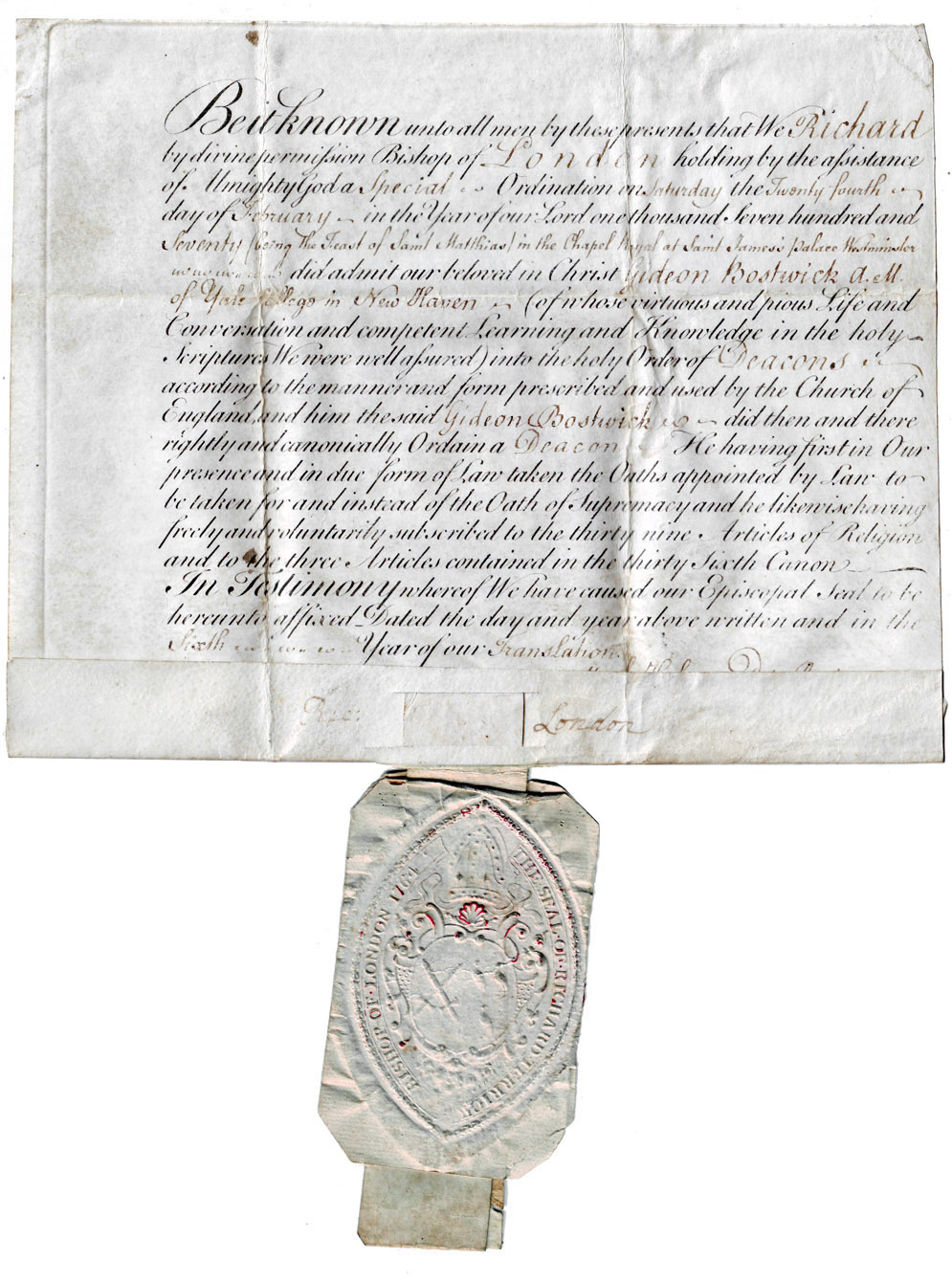
- Transitional deacons—men ordained as deacons as a step toward priesthood or presbyteral ministry. This temporary stage is common in Roman Catholic, Eastern Orthodox, and Anglican traditions.
- Permanent deacons—individuals, sometimes married, who remain in the diaconate permanently and focus on long-term service roles. Permanent deacons are found in the Roman Catholic Church (Latin rite), many Anglican and Protestant churches, and elsewhere.
Liturgical roles also differ. In many Eastern and Western liturgies a deacon has specific ceremonial duties, such as leading litanies, censing, and assisting the celebrant. In some Protestant churches the title may be used for elected lay officers with primary governance or pastoral responsibilities.
History and development
Early Christian communities appointed deacons to manage charity and practical needs; the New Testament describes the appointment of seven figures to oversee distribution to widows and the poor. Over centuries the role evolved into a formal office with defined liturgical and administrative tasks. Various churches developed distinct patterns: a permanently ordained diaconate, a transitional step toward priesthood, or a non-ordained diaconal ministry.
Marriage, gender, and notable variations
Rules about marriage and gender differ among communions. Many traditions permit men who are married before ordination to serve as deacons but expect those unmarried at ordination to remain celibate; others allow married permanent deacons. Several denominations ordain women as deacons or restore the historic office of deaconess; debates and practices vary by region and church body.
Some Eastern Christian churches maintain honorary ranks within the diaconate. For example, a protodeacon is an honorific title granted in certain Eastern traditions to recognize senior or distinguished service among deacons; in the Russian tradition this title has specific vestimentary marks and customary use. Practices and titles differ widely, so local regulations and customs should be consulted for precise details. For general denominational information see Christian resources and, for Eastern specifics, consult sources on the Russian Orthodox Church.
Related articles
Author
AlegsaOnline.com Deacon (Christian ministry role) Leandro Alegsa
URL: https://en.alegsaonline.com/art/25948